
Exploring the Lakeshore San Francisco Lifestyle Near Lake Merced
December 18, 2025
December 18, 2025
Craving a calmer corner of San Francisco where you can step outside and be on a lakeside path in minutes? If you are drawn to water views, daily walks, and a quieter residential feel, Lakeshore around Lake Merced might be a strong fit. In this guide, you will get a feel for day-to-day life, the microclimate, housing styles, commute options, and the practical tradeoffs to consider. You will also find simple steps to evaluate a specific address with confidence. Let’s dive in.
Lakeshore rests along San Francisco’s southwest edge, centered on Lake Merced. You are close to Fort Funston and Ocean Beach to the west, the San Francisco Zoo and Sloat Boulevard retail to the northwest, and San Francisco State University just to the north and northeast. Streets are mostly residential, with more single-family homes, larger lots, and quieter blocks than many central neighborhoods.
If you like a coastal vibe without being right on the bluffs, Lakeshore offers that balance. You can enjoy the lake’s calmer paths and still reach the ocean within minutes.
Lake Merced is the daily rhythm for many locals. The perimeter paths are popular for morning jogs, afternoon dog walks, and evening strolls. You will find picnic spots, open lawns, and nearby tennis and golf options. For rules, public access points, and upcoming events, review the city’s official Lake Merced information from San Francisco Recreation & Parks.
Birdwatchers also frequent the area thanks to the lake and adjacent wetlands. If you love fresh air before or after work, the easy loop access is a standout perk.
For bluff walks, sand, and sweeping views, Fort Funston offers dramatic headlands, steep trails, and beach access. Learn more on the National Park Service page for Fort Funston. Ocean lovers can head to the long sandy shoreline at Ocean Beach, a favorite for long walks; see details on the NPS Ocean Beach page.
These coastal spots tend to be windier and cooler than the lake edge. Many residents choose the lake loop on foggy mornings and Fort Funston or Ocean Beach when skies clear.
Lakeshore sits firmly in San Francisco’s coastal climate zone. Expect frequent marine layer and fog, especially from late spring through summer mornings, with many afternoons clearing. Temperatures stay mild year-round compared with inland Bay Area spots. For broader context on typical patterns, consult NOAA’s climate normals.
Local nuance matters. The lake’s low elevation can soften wind in some blocks, while the exposed bluffs at Fort Funston feel much gustier. Fall often brings some of the sunniest days of the year in this part of the city.
Environmental considerations include wildlife habitat around portions of the lake and long-term flood and sea-level planning. For address-specific risk, use the FEMA Flood Map Service Center and the city’s climate resilience resources when you are evaluating a property.
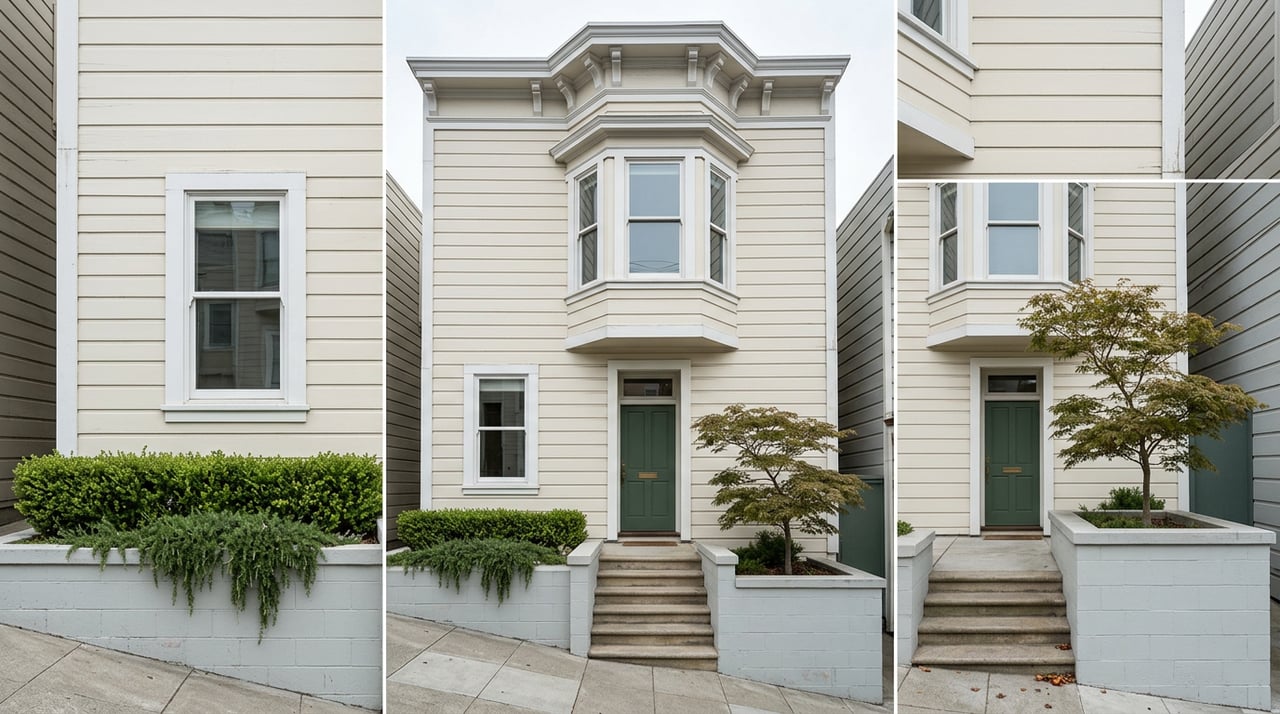
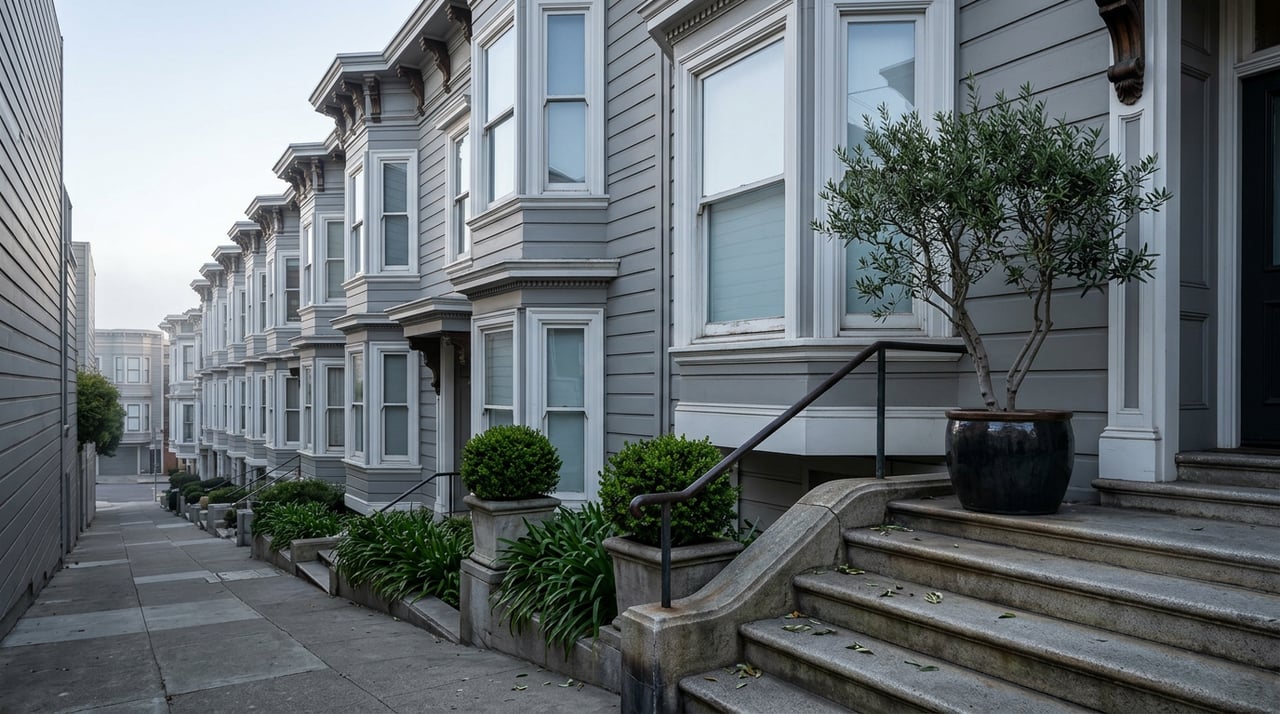
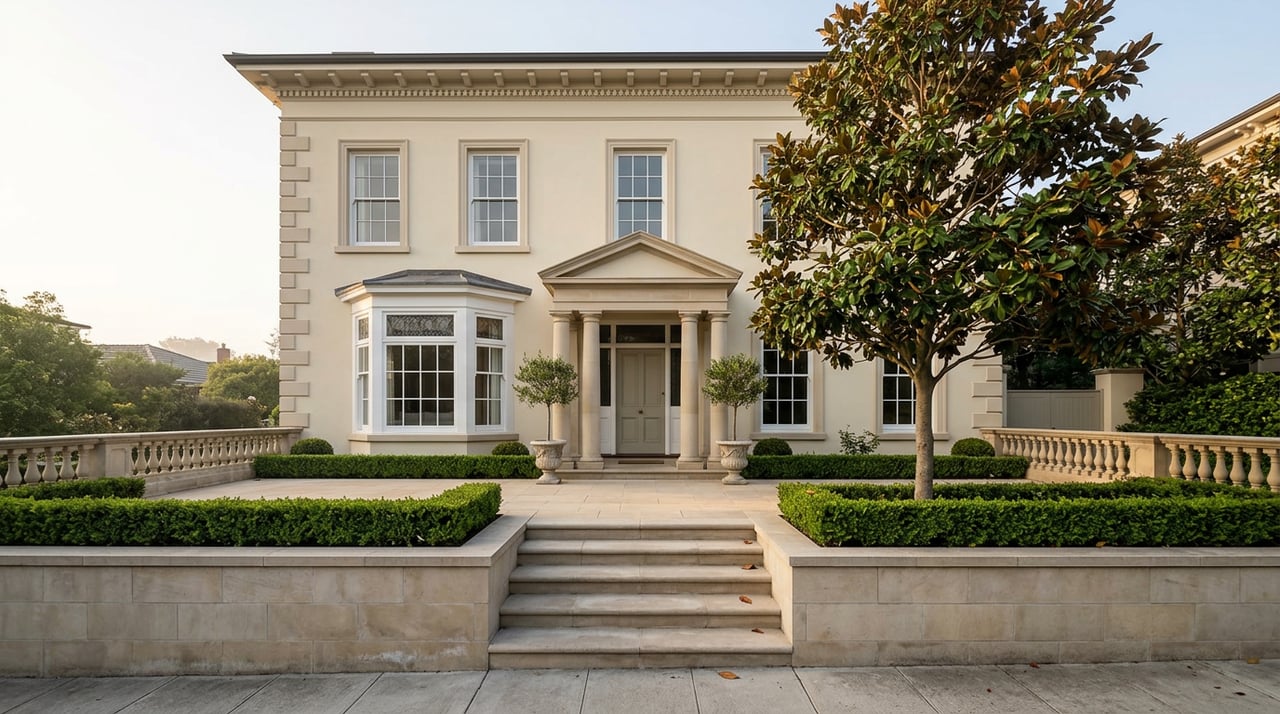
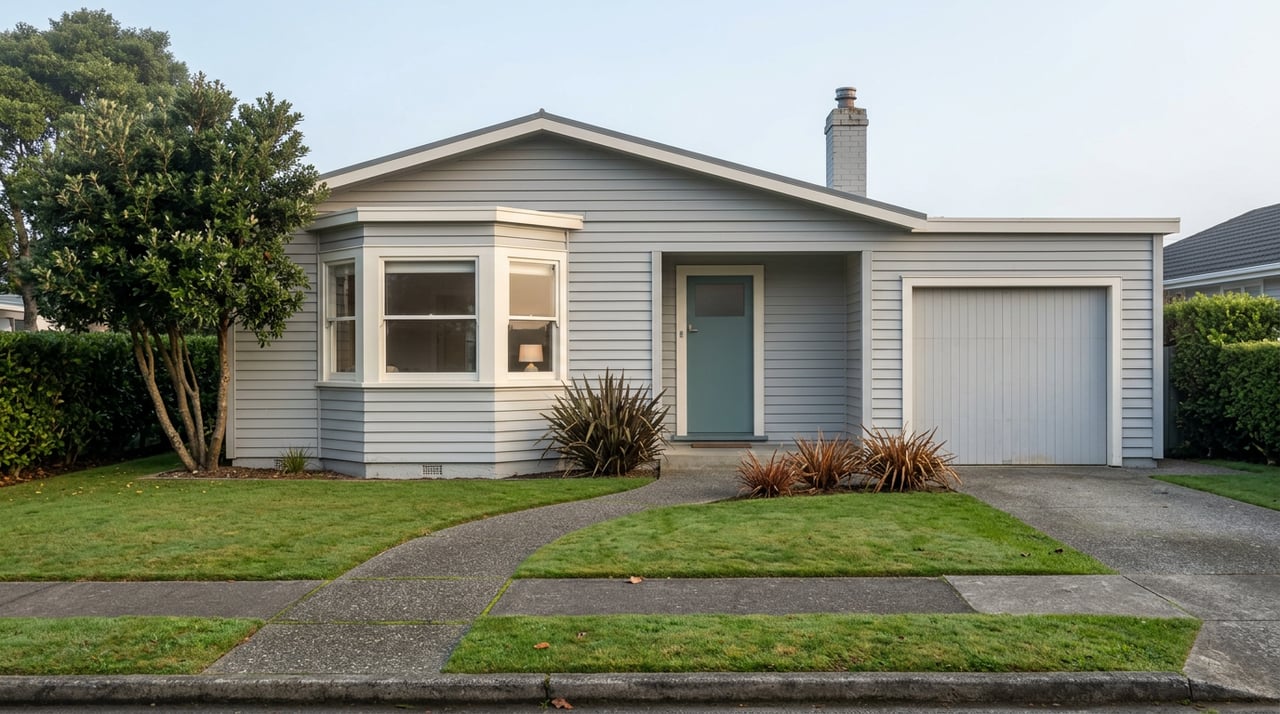
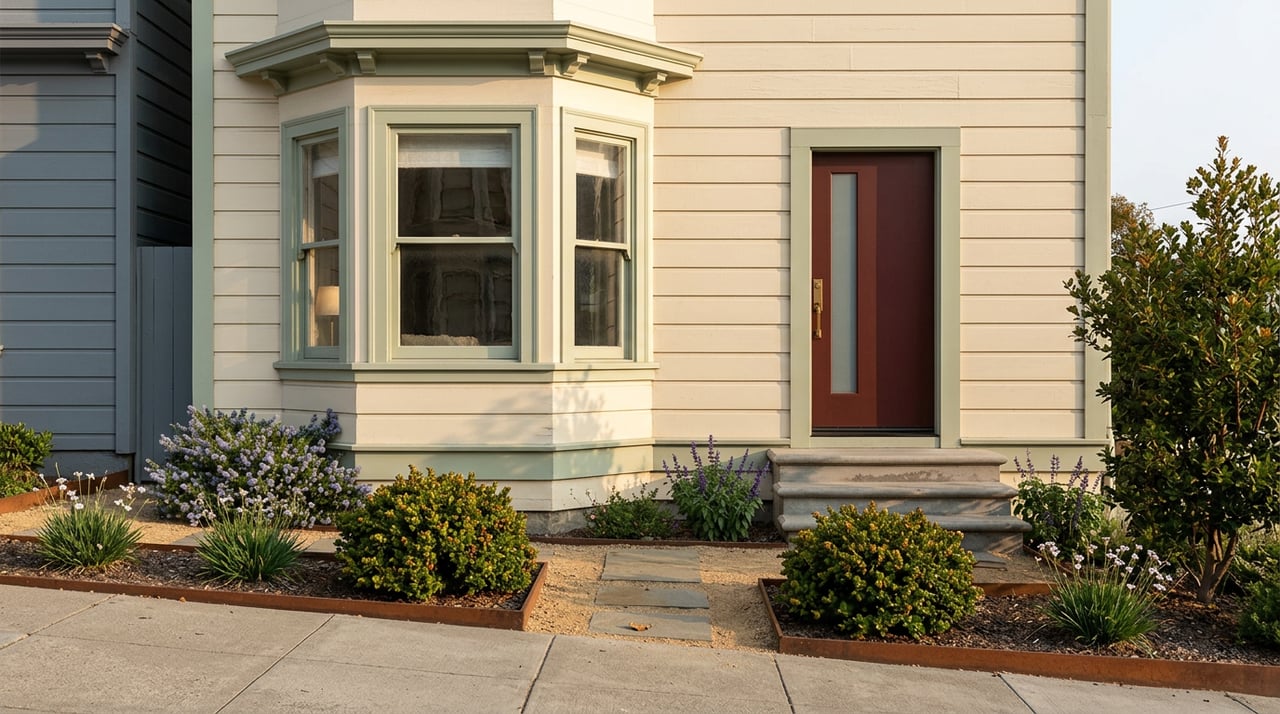
Housing here leans single-family with a quieter, lower-density feel. You will see postwar ranches and mid-century tract homes, plus 1920s to 1940s bungalows and Mediterranean-style homes, with some mid-century modern examples and newer remodels mixed in. Lots and yards are generally larger than in central neighborhoods, so private outdoor space is a common highlight.
Because many homes are mid-20th century, updates vary. Pay close attention to seismic retrofits, foundation condition, and moisture control given the coastal climate. If you plan to expand or add an ADU, review San Francisco Planning’s permitting and zoning guidance early to understand what is feasible on a specific lot.
Transit is available but less dense than in central neighborhoods. The M Ocean View light rail connects the southwest corridor to the rest of Muni; route details and schedules are on the SFMTA M Ocean View page. There is no BART station inside Lakeshore; the nearest options are typically Daly City and Balboa Park. You can plan connections using the BART Trip Planner.
For Peninsula and South Bay jobs, many residents drive via I-280 or combine modes using regional rail. Commute times vary widely by time of day and exact address. Test your routes during peak and off-peak hours to confirm a realistic door-to-door experience.
You will find grocery, dining, and day-to-day services along Sloat Boulevard and nearby corridors. For broader retail and restaurants, West Portal, Ocean Avenue, and Daly City centers are close by. San Francisco State University adds recreational facilities and cultural events to the mix.
Public schools are part of SFUSD, and assignment depends on your address. For enrollment details and boundary information, start with SFUSD’s enrollment resources. For families, proximity to parks, beaches, and trails is a frequent lifestyle benefit.
Pros many buyers value:
Considerations to plan for:
Use this quick process to get clarity fast:
If Lakeshore’s balance of calm streets, bigger yards, and outdoor access fits your life, the neighborhood can deliver a relaxing home base within city limits.
Ready to map your move and see on- and off-market options near Lake Merced? Connect with Colleen Cotter for a focused, data-informed tour and a complimentary market consultation tailored to your goals.
Whether clients need an architect, designer, stager, contractor, lender, or friendly counsel, Colleen Cotter Real Estate Group offers invaluable referrals and guidance. Colleen Cotter Real Estate Group has partners across the country and Bay Area including Burlingame, San Mateo, Marin, Silicon Valley, East Bay, Lake Tahoe, Wine Country, Chicago, Los Angeles, and NYC.