
Glen Park vs Noe Valley: Prices, Layouts & Key Trade-Offs
January 1, 2026
January 1, 2026
Trying to decide between Glen Park and Noe Valley for your next home? You’re not alone. Both neighborhoods offer classic San Francisco charm, but your budget, commute, and layout needs will likely point you toward one over the other. In this guide, you’ll learn how prices and inventory typically compare, what kinds of homes and floor plans you’ll find, how transit and daily life differ, and a simple framework to make a confident choice. Let’s dive in.
When you compare these two markets, focus on how far your money goes and how fast you may need to act. Noe Valley usually trades at a premium to Glen Park, especially on a price-per-square-foot basis. Inventory in Noe Valley is typically tighter, and homes often sell faster. Glen Park often delivers better value per square foot, with a mix of housing types and some larger or more varied lots.
For an apples-to-apples snapshot, track a few core stats by property type:
Because numbers change quickly, use the most recent month or quarter and compare similar property types. If you need current figures, ask for a neighborhood-level pull from the local MLS or San Francisco Association of Realtors.
The two neighborhoods share San Francisco housing roots, but proportions and layouts differ. This impacts usable square footage, outdoor space, and renovation options.
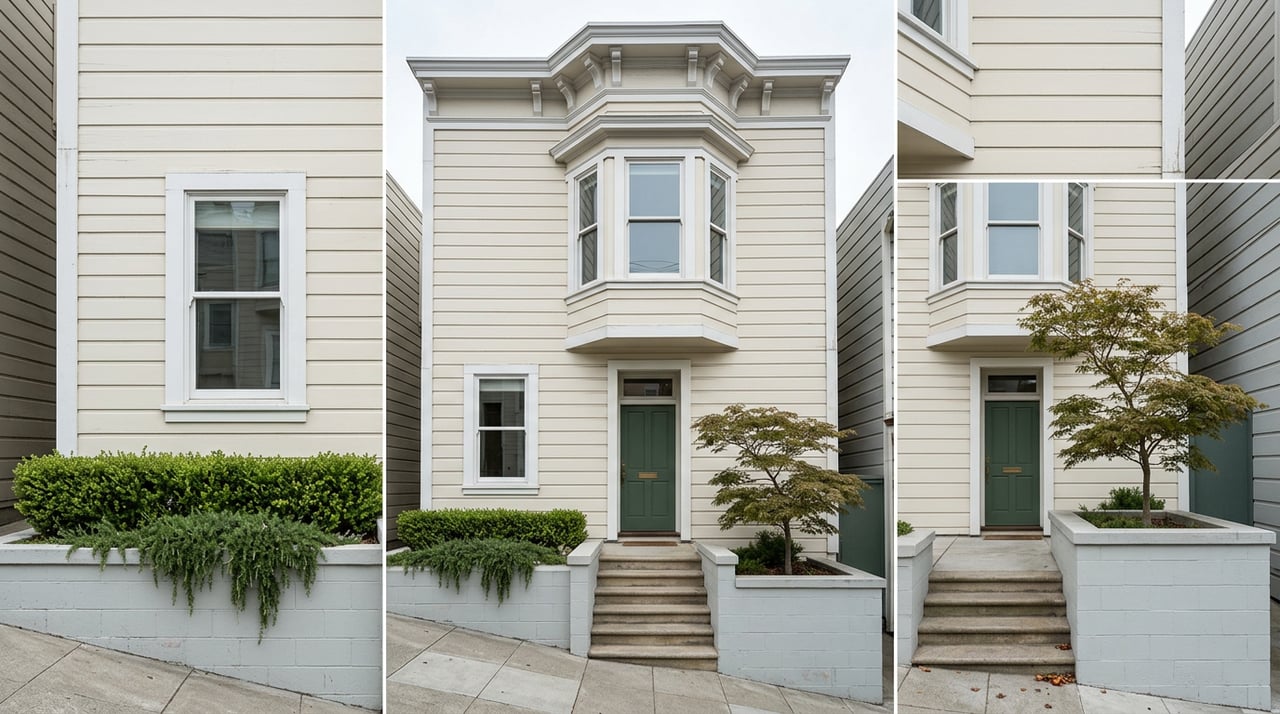
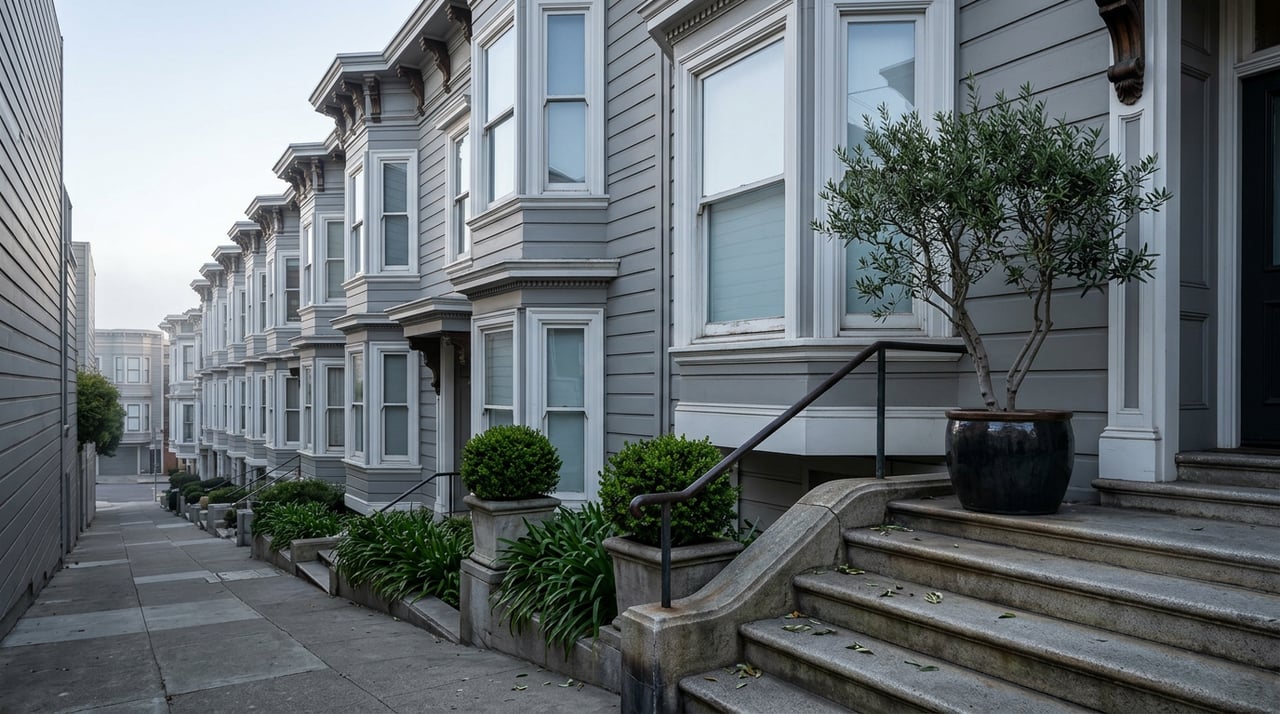
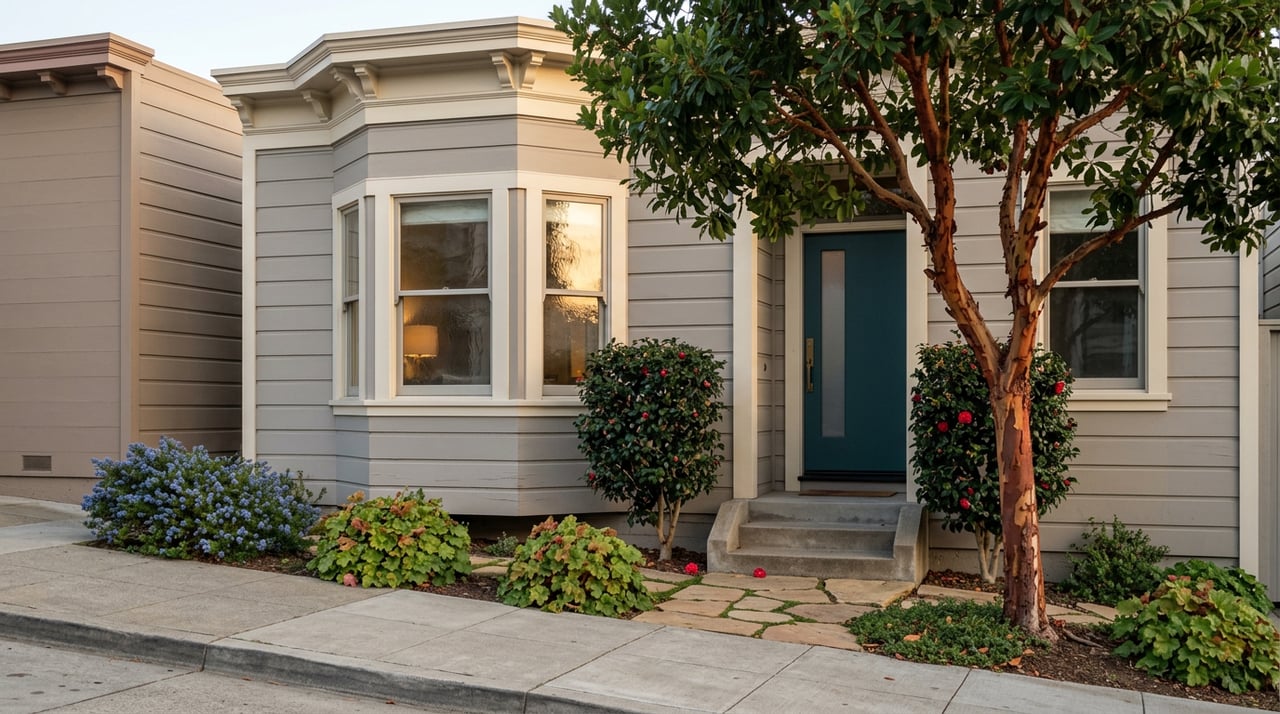
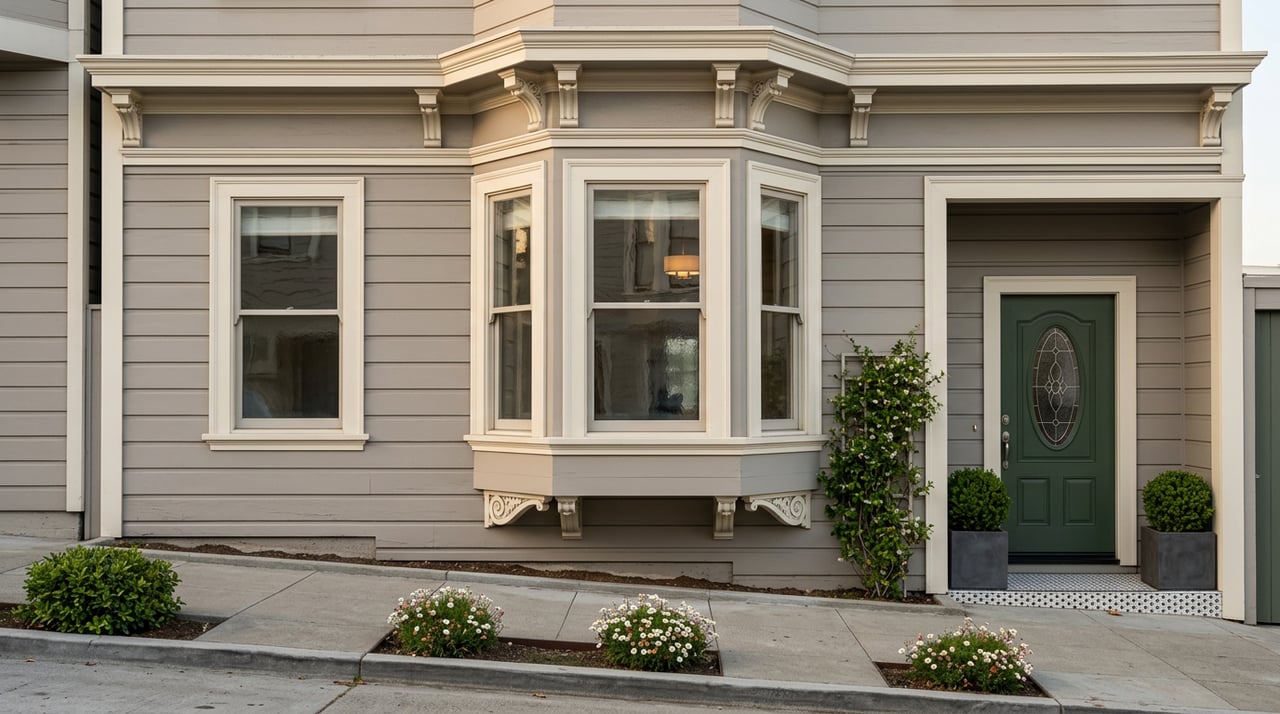
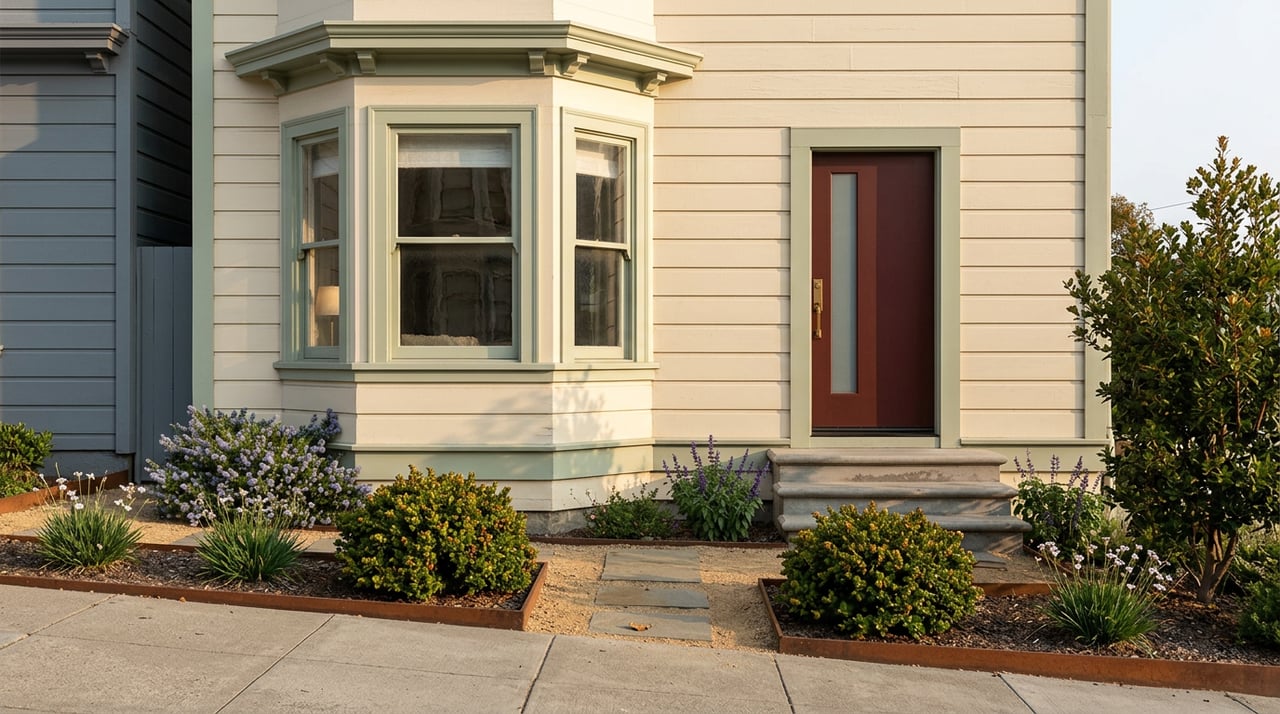
Noe Valley features many attached or row-style single-family homes from the Victorian and early 20th-century eras. Floor plans often include a formal living room and dining room, with bedrooms on the upper level and compact backyards or patios. Many homes retain period details like bay windows and high ceilings, and renovations often open the main level for better flow. Two to four bedroom configurations are common in single-family homes.
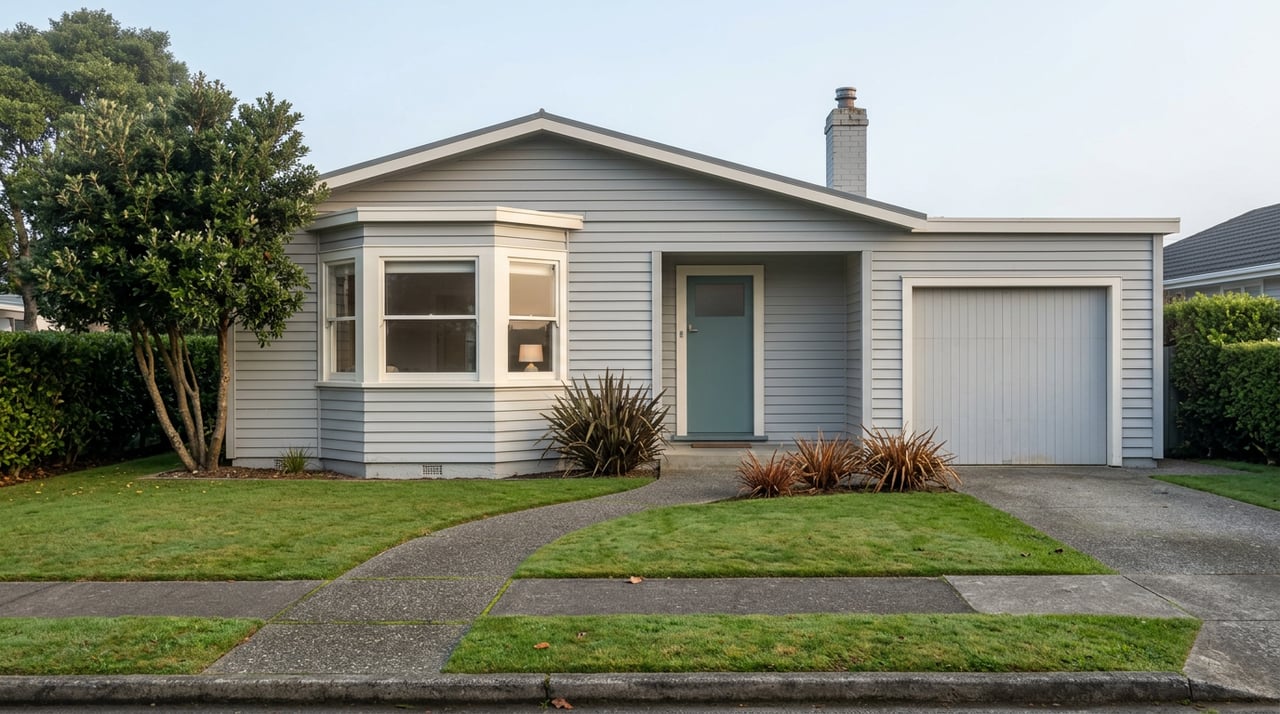
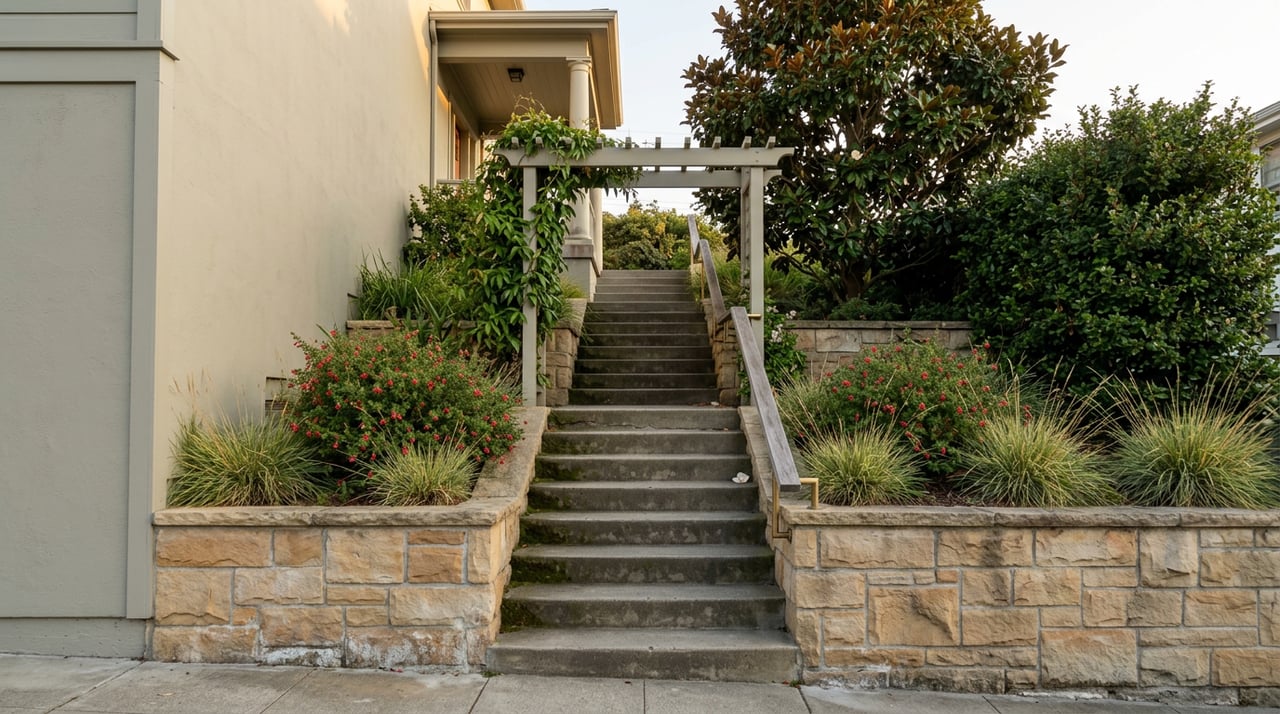
Glen Park has more variation in age, lot type, and footprints. You’ll see cottages and bungalows, split-level hillside homes, and some mid-century designs. These layouts can create flexible bonus areas or separate levels that work well for home offices or guests. There’s a slightly higher chance of finding usable rear yards or terraced outdoor spaces, especially on larger or deeper lots. Two to three bedroom homes are common, with occasional larger properties depending on the block.
Attached homes in Noe Valley can face expansion constraints due to side setbacks, but many properties allow rear additions or lower-level build-outs. In Glen Park, hillside homes may offer scope for decks, rear additions, and terraced landscaping, though geotechnical and permitting steps can add time and complexity. If you’re considering a multi-unit purchase, both neighborhoods offer options. Noe Valley’s higher rents can be attractive, though competition to acquire can be intense; Glen Park’s lower acquisition cost can help cashflow pencil, though achievable rents may be slightly lower.
Transit access is one of the biggest trade-offs between Glen Park and Noe Valley. Your commute pattern and “last-mile” walk will likely influence your decision.
Glen Park has its own BART station within the neighborhood. That provides direct regional access to downtown San Francisco, the East Bay, and connections toward the airport via Millbrae. Several Muni bus routes serve the area, and the Glen Park village cluster around Chenery and Bosworth offers cafes and daily retail. The terrain is hillier, so walking times can vary by block, and some hillside homes require a longer or steeper walk to BART.
Noe Valley does not have an in-neighborhood BART station, but it has strong Muni coverage, including the J Church light-rail line at the neighborhood’s edge and several bus lines. Depending on where you live, it can be a 15 to 25 minute walk to the 24th Street Mission BART station. Noe Valley’s commercial corridors along 24th Street and Church Street are highly walkable, with a notable weekend farmer’s market and a steady mix of boutiques and cafes.
Every buyer’s priorities are different. Use these simple profiles to see which description fits you best.
You want predictable, fast transit to downtown or the East Bay. Glen Park’s in-neighborhood BART usually wins on commute efficiency. If you prefer a quieter, hillside street, check the exact walk time to the station from any home you tour.
You’re stretching for the most usable square footage or yard. Glen Park often delivers better price-per-square-foot value and a slightly higher chance of a larger or terraced yard. Confirm the layout works for your daily routine, especially with split-level or hillside designs.
You want vibrant daily retail and easy weekend strolls. Noe Valley’s 24th Street and Church Street corridors offer a strong, walkable village feel. If BART access matters occasionally, look for blocks within a comfortable walk to 24th Street Mission.
You’re weighing acquisition price against rental income. Noe Valley’s higher rents can be attractive, but acquisition is competitive. Glen Park’s lower entry price may help cashflow, though achievable rents can be lower than Noe Valley’s, depending on unit type and location.
Use this step-by-step process to compare homes across both neighborhoods with clarity and confidence.
List your non-negotiables: number of bedrooms, minimum square footage, yard or outdoor space, garage or parking, and commute time. Decide where you will flex if you find the right layout or location. Keep your list short, focused, and realistic.
Look at price per square foot for single-family homes separately from condos or multifamily. Confirm lot size, usable square footage, and recent renovations. A renovated Noe Valley home may justify the premium; an unrenovated Glen Park home may offer value with room to improve.
Time the full door-to-door route, including the walk to transit and any transfers. For driving, test different times of day. If you fly often, factor in airport connections and return trips during late hours.
Experience slope, sunlight, street noise, and retail proximity, then test how the layout supports your daily life. In Glen Park, check how split-levels fit work-from-home or multigenerational living. In Noe Valley, consider how classic room arrangements and potential open-plan renovations will work for you.
If you anticipate expanding or adding outdoor improvements, consider feasibility. In Noe Valley, attached homes may steer you toward rear additions or lower-level conversions. In Glen Park, hillside work can be rewarding but may require additional geotechnical and permitting steps.
Noe Valley often moves faster and may require a more aggressive strategy. Glen Park can move quickly too, especially for standout listings near transit. Have pre-approval ready, review disclosures early, and be clear on your top price and terms.
Inventory patterns can shift month to month, so watch the cadence of new listings and median days on market. Compare recent comps within the last 30 to 90 days for each neighborhood and property type. When possible, tour back-to-back in both areas to feel differences in topography, street life, and layouts. If schools are part of your decision-making, review public information and visit campuses directly for your own assessment.
If you want more options, ask about off-market inventory and upcoming listings. A pre-market tour can surface the right layout and location before wider competition arrives.
You deserve a calm, data-informed process that puts your goals first. We combine recent neighborhood metrics, on-the-ground touring, and candid layout advice to help you act with confidence. We can source off-market opportunities, connect you with design and contracting pros if you’re planning improvements, and coordinate a clear pricing and offer strategy tailored to your must-haves.
When you’re ready to compare real numbers and live inventory, let’s talk. Request a current MLS snapshot for Glen Park and Noe Valley, a commute-time analysis from your preferred blocks, and a short list of homes that match your layout and outdoor space checklist.
Ready to get practical, current guidance and see both neighborhoods side by side? Connect with Colleen Cotter for a complimentary market consultation and curated tours.
Whether clients need an architect, designer, stager, contractor, lender, or friendly counsel, Colleen Cotter Real Estate Group offers invaluable referrals and guidance. Colleen Cotter Real Estate Group has partners across the country and Bay Area including Burlingame, San Mateo, Marin, Silicon Valley, East Bay, Lake Tahoe, Wine Country, Chicago, Los Angeles, and NYC.