
Evaluating ADU Potential in Bernal Heights Homes
January 15, 2026
January 15, 2026
Eyeing a Bernal Heights home with room for an ADU? The right property can unlock flexible living space or steady rental income, but hills, access, and permitting in San Francisco can complicate the plan. You want clear numbers, realistic timelines, and a smart path to approval before you write an offer. This guide explains how to gauge ADU potential in Bernal Heights, from site feasibility and utilities to costs, permits, and rental rules. Let’s dive in.
Bernal Heights is known for its views and steep lots. On sloped sites, new detached ADUs often need a geotechnical report and engineered foundations like piles, caissons, or retaining walls. Steep backyards limit flat building area and can require hoisting or cranes, which adds time and cost. If the lot is tight or steep, a garage or interior conversion is usually more efficient than a new detached cottage.
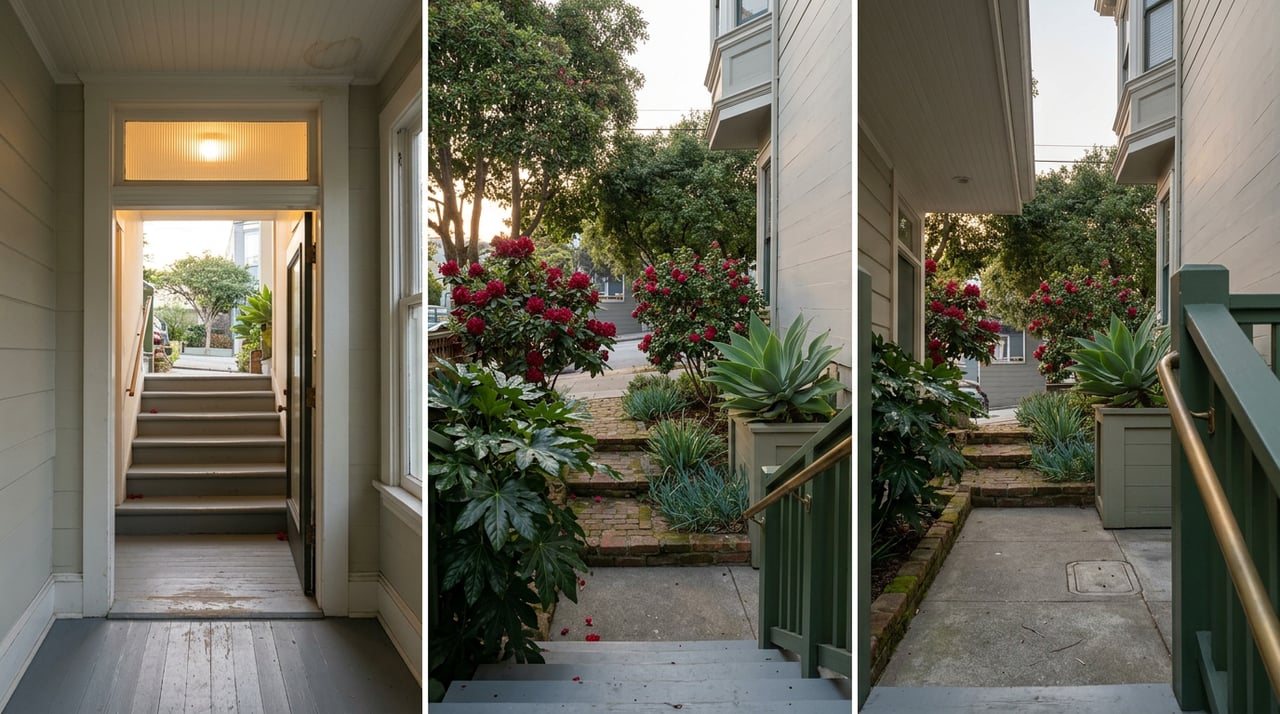
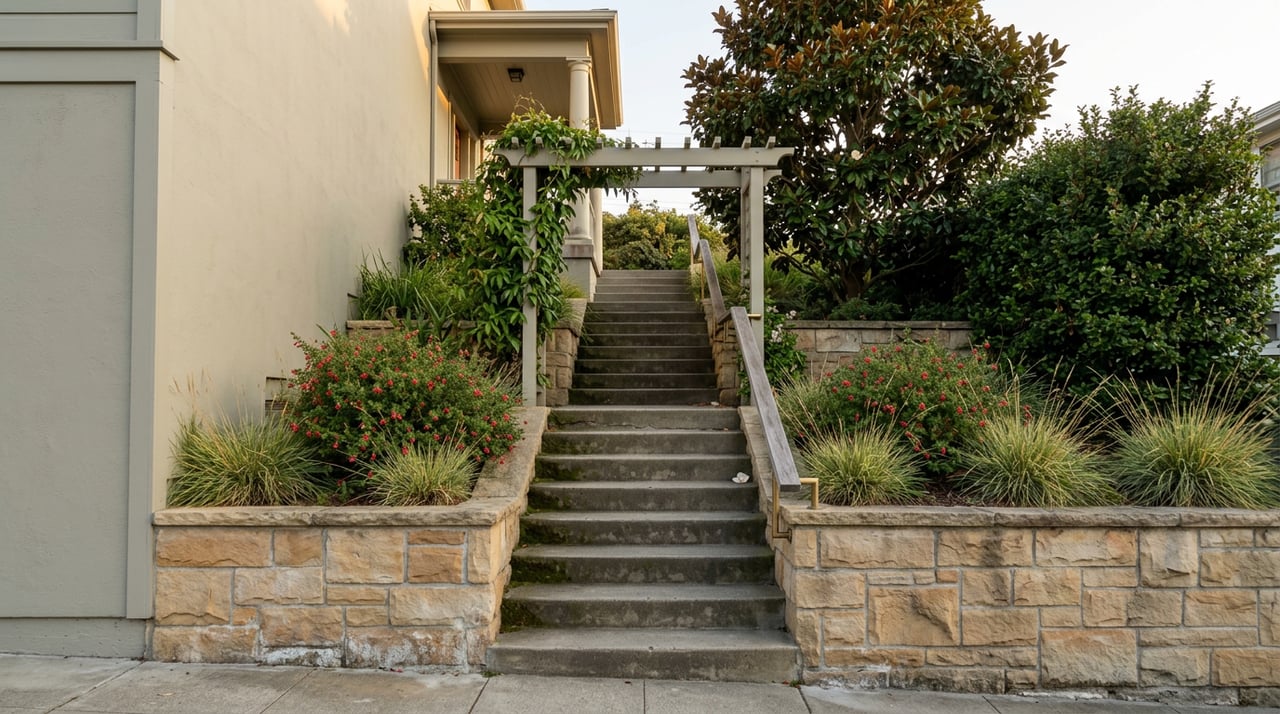
Narrow streets, limited parking, and stepped entries are common. Some properties lack direct rear-yard access, so staging and materials handling may need special permits or off-site coordination. Build schedules can stretch if crews must work from the street or if a crane is required. Plan on longer lead times and higher labor costs when access is constrained.
Every parcel is different. Use the city’s mapping tool to confirm zoning, setbacks, and any overlays that affect placement and size. Start by checking the San Francisco Planning GIS map, then review the city’s ADU program page for process steps and standards on the San Francisco Planning ADU page. Historic districts or landmark properties can add review time and design constraints. Where local rules conflict with state law, state ADU rules generally prevail, but local implementation details still matter.
Conversions typically offer the most predictable path in Bernal Heights. Many homes have underused garages or basements that can become code-compliant studios or one-bedroom units. Conversions avoid new foundations on slopes and reduce excavation and grading risk. They also tend to move faster through review and construction.
Detached ADUs can work on select parcels with adequate flat area or engineered solutions. Expect more design and engineering, and budget for retaining walls or specialized foundations. Fire and emergency access requirements may influence where the unit can sit on the lot. If buildable area is limited, a smaller footprint or studio layout can keep the project feasible.
A JADU carved from existing space uses a modest footprint and can be cost effective. JADUs often serve as guest suites, caregiver quarters, or work-from-home studios. They typically have lower construction costs and fewer exterior impacts. Confirm details with Planning and Building Inspection early.
Major cost drivers include foundations on slopes, new or upsized utility laterals, electrical service upgrades, fire-safety measures, and access logistics. Design and permitting professional fees typically run about 5 to 10 percent or more of construction costs. For statewide context and research, review ADU cost findings from the Terner Center at UC Berkeley. For permit fees and plan check info, consult the San Francisco Department of Building Inspection.
Most ADUs can tie into existing water and sewer laterals, but condition and capacity matter. Some projects must replace or upsize laterals, which can add cost and coordination. Start with the San Francisco Public Utilities Commission for guidance on lateral verification and service capacity. Sloped sites may trigger stormwater management requirements.
Adding an ADU can require a new meter or a service upgrade, especially if you plan electric heat pumps, induction cooking, or EV charging. Upgrades can add cost and 8 to 12 weeks of lead time. Review options with your electrician and check PG&E’s service upgrade information. San Francisco reach codes encourage electric systems for new construction, so coordinate early with your design team and DBI.
Foundations on slopes often need engineered drainage and erosion control. Confirm grading and stormwater requirements through San Francisco Public Works and Planning. Proper drainage design protects your investment and helps avoid construction delays.
San Francisco runs Planning and Building (DBI) reviews, with some steps in parallel. State ADU laws require ministerial review when a project meets objective standards, but historic status, hazards, or site violations can add time.
Typical timelines:
Check the Planning ADU program for process guidance and the DBI site for permit requirements and fee schedules.
Long-term rental of an ADU is common. Local tenancy rules, rent control, and just-cause protections can apply based on building type and whether the unit is new or a conversion. Review guidance with the San Francisco Rent Board and consult a housing professional before you lease.
Short-term rentals are regulated in San Francisco. Hosts must register and comply with primary-residence and tax rules. Before planning for Airbnb or similar use, review the San Francisco Office of Short-Term Rentals requirements.
California ADU laws limit many local owner-occupancy requirements. Always confirm current policy with Planning and DBI. For a state-level overview, see the California HCD ADU guidance.
Use this sequence to assess feasibility before you write an offer:
You want confidence that your ADU plan is realistic before you bid. Our team coordinates early feasibility steps so you understand site conditions, timelines, and budget. We connect you with vetted architects, engineers, and contractors who know Bernal Heights logistics, and we align the plan with Planning and DBI requirements to reduce surprises. If an ADU is a key part of your strategy, we help you target properties where the path is clear and the numbers pencil.
Ready to evaluate ADU potential on a specific home? Request a complimentary market consultation with Colleen Cotter.
Whether clients need an architect, designer, stager, contractor, lender, or friendly counsel, Colleen Cotter Real Estate Group offers invaluable referrals and guidance. Colleen Cotter Real Estate Group has partners across the country and Bay Area including Burlingame, San Mateo, Marin, Silicon Valley, East Bay, Lake Tahoe, Wine Country, Chicago, Los Angeles, and NYC.