
Russian Hill Condo Living In Boutique And View Buildings
March 5, 2026
March 5, 2026
Picture your morning coffee with the Bay in view, or stepping out to a quiet, tree‑lined block that feels like your own little village. In Russian Hill, you can have either experience depending on the building you choose. If you are weighing a character‑rich boutique walk‑up against a full‑service view tower, you are not alone. This guide breaks down how each option lives, what truly drives long‑term value, and the key checks that keep surprises out of escrow. Let’s dive in.
Russian Hill blends intimate, historic streets with dramatic, crest‑of‑the‑hill views. You will find pre‑war walk‑ups, mid‑century low‑rises, and a handful of iconic towers that define the skyline. The neighborhood is centrally located, with beloved blocks near Hyde and Polk and panoramic vantage points higher on the hill. For context on the area’s geography and character, see the neighborhood’s background on Russian Hill’s history and topography.
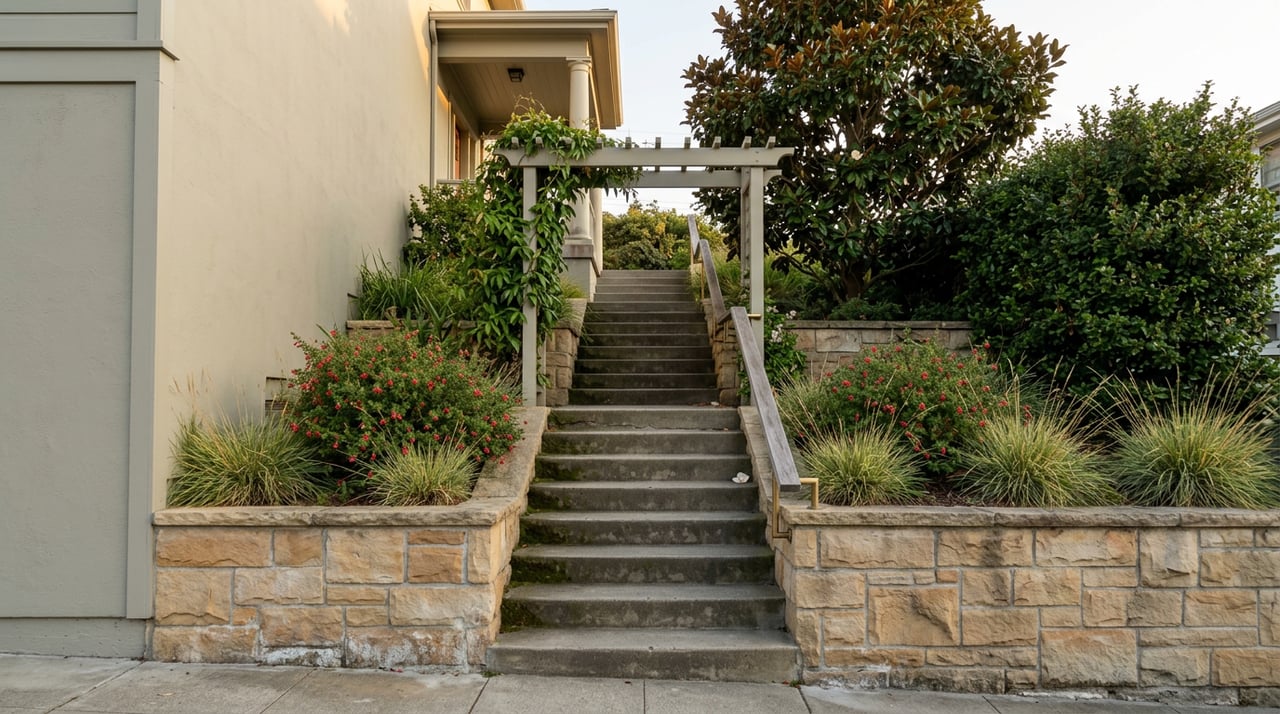
At lower elevations, you get classic facades, stairways, and quieter blocks. Near the crest, taller buildings capture sweeping Bay and city views. Your choice often comes down to how you balance walkability and historic charm with services, parking, and elevators.
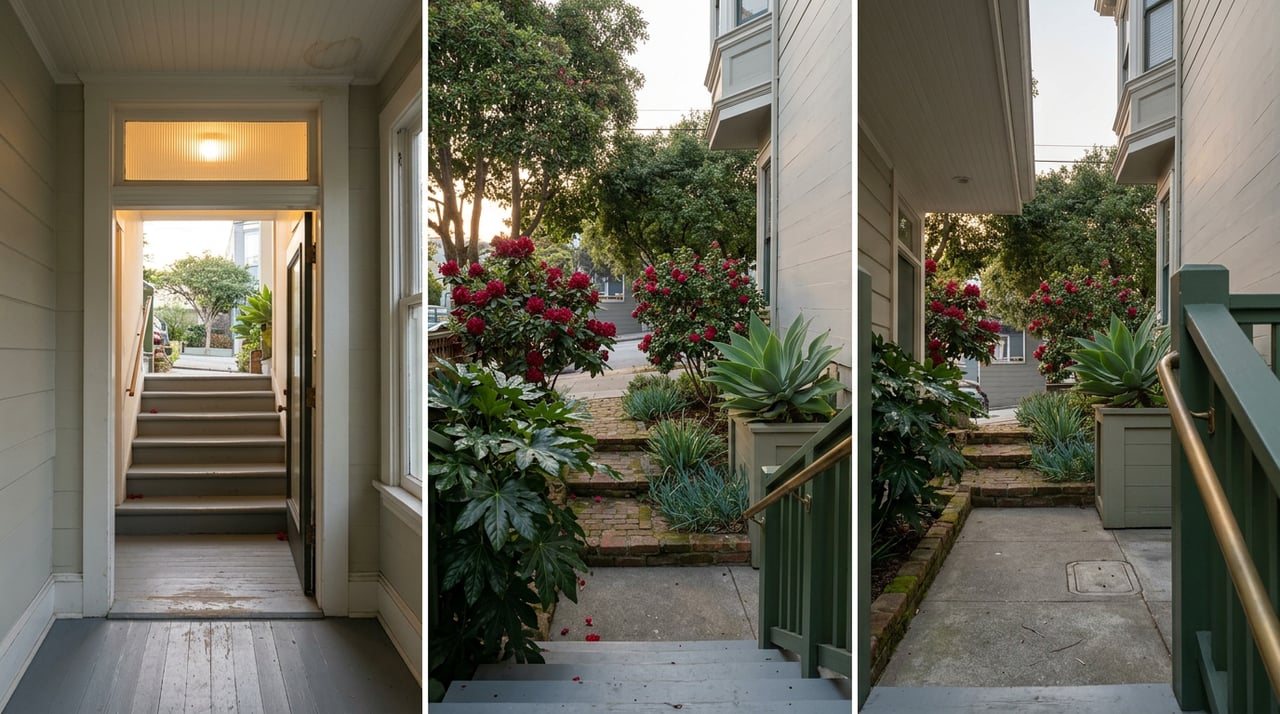
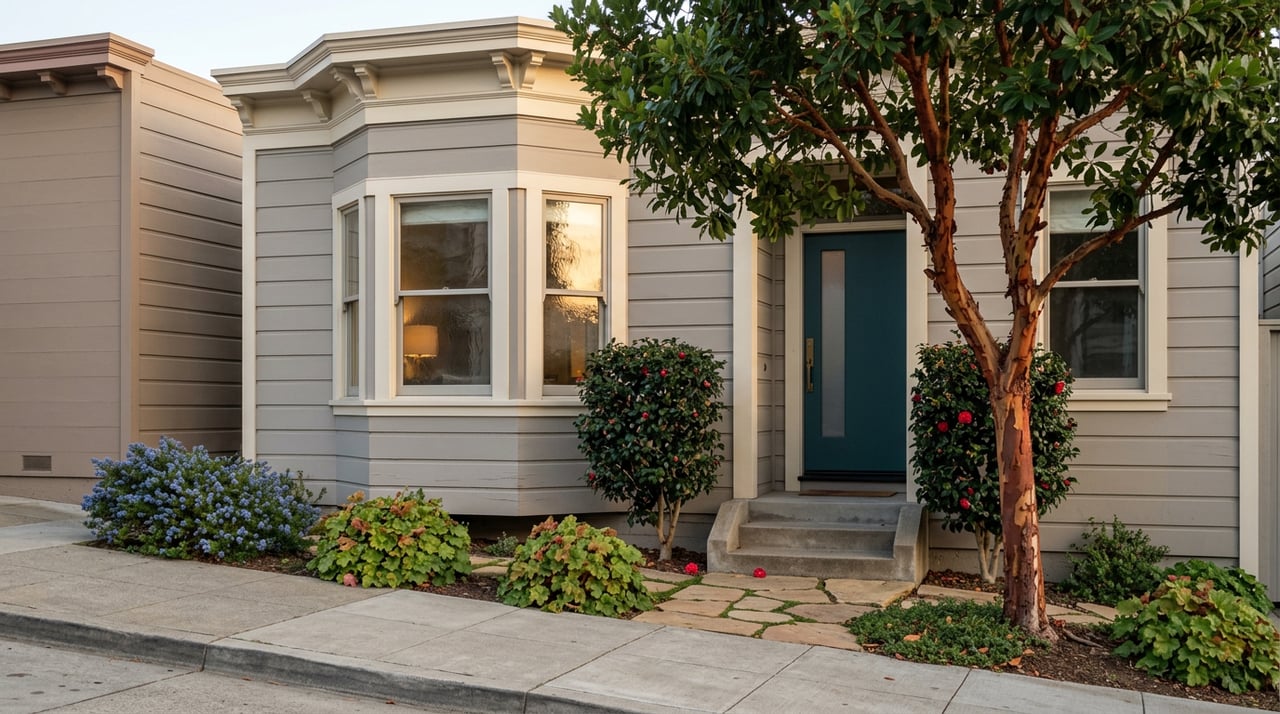
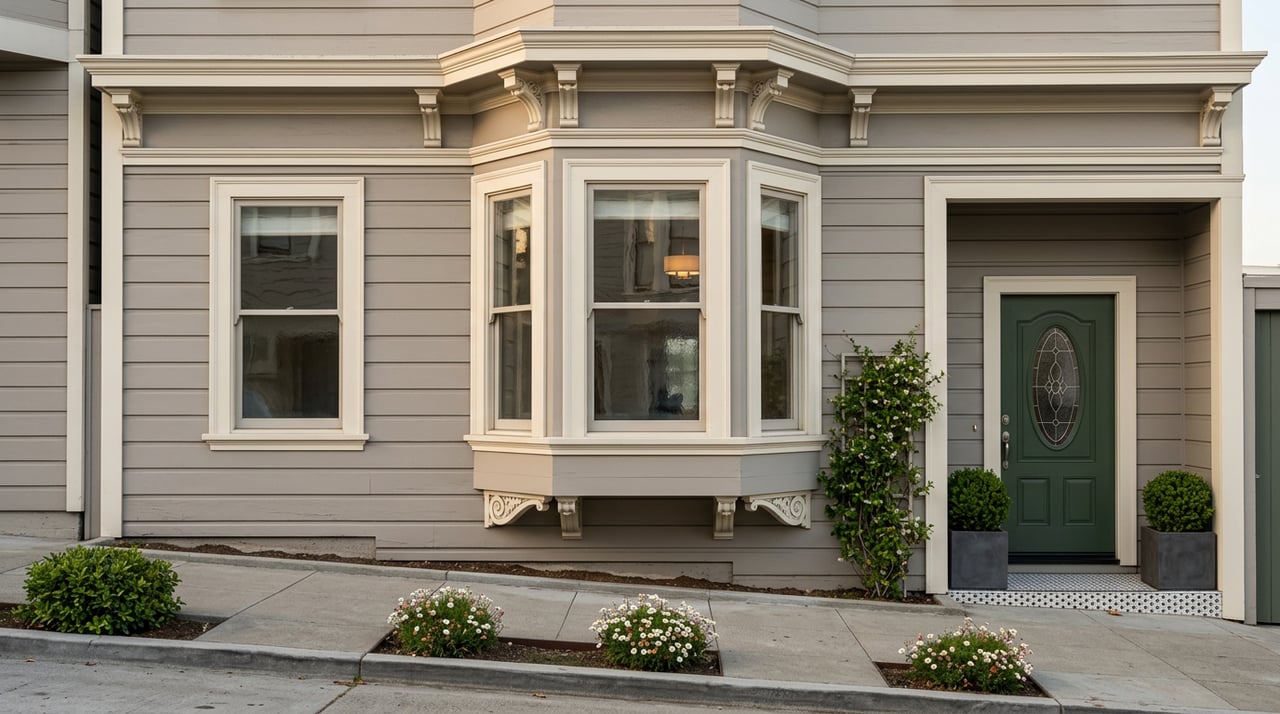
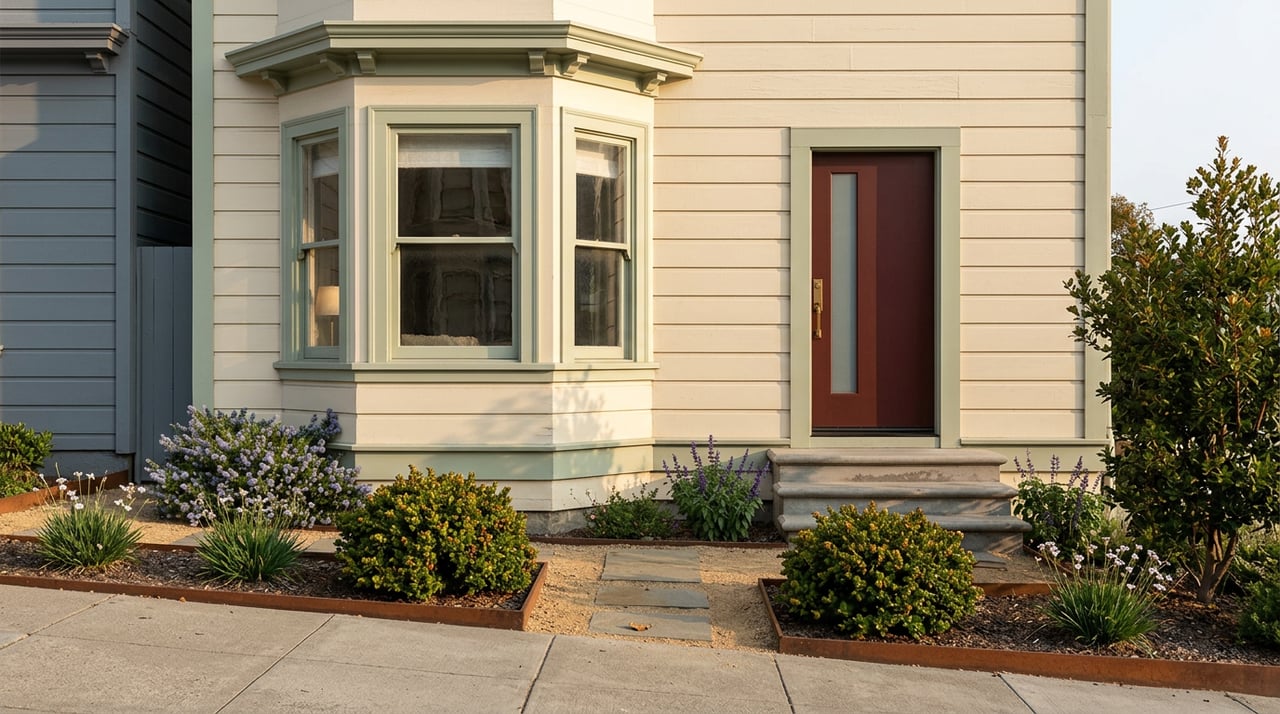
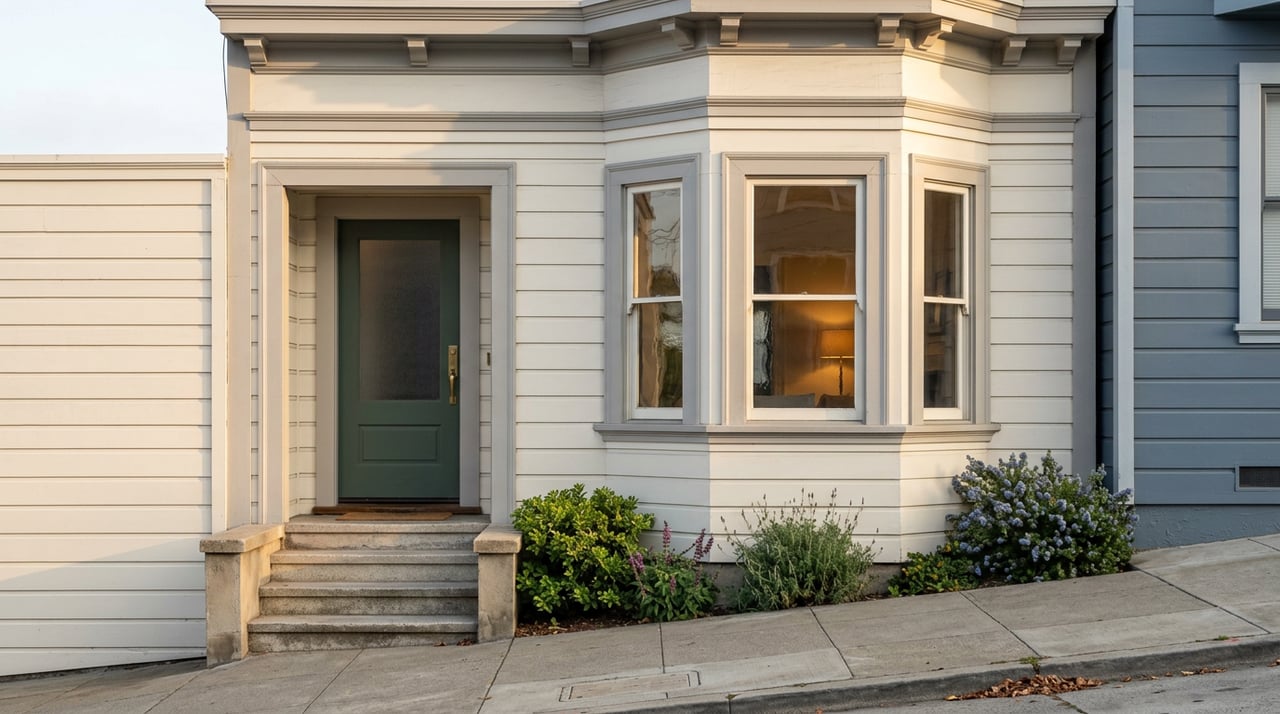
Boutique buildings typically hold 2 to 12 units in Edwardian or pre‑war structures. Expect period details, intimate associations, and more stairs. These homes sit close to favorite streets and pocket parks, with everyday errands often a short stroll away.
Value concentrates in location, upper‑floor light and views, and in‑unit renovations. Monthly dues tend to be lower due to fewer amenities. The tradeoff is financial scale. Small associations often have thinner reserves, which can mean a higher risk of special assessments when big projects arise. Under California law, associations must conduct reserve studies; ask for the latest report and percent‑funded to understand risk, as outlined in Civil Code §5550 guidance.
These 3 to 10 story properties often deliver larger floor plans, elevators, and some shared parking. Courtyards and landscaped walkways are common, and many units offer good natural light with a calmer, mid‑century aesthetic.
Dues vary based on services and building size. Governance is more complex than a three‑unit walk‑up, yet capital costs spread across more owners. Your focus should be on reserves, upcoming projects, and what utilities or services dues include.
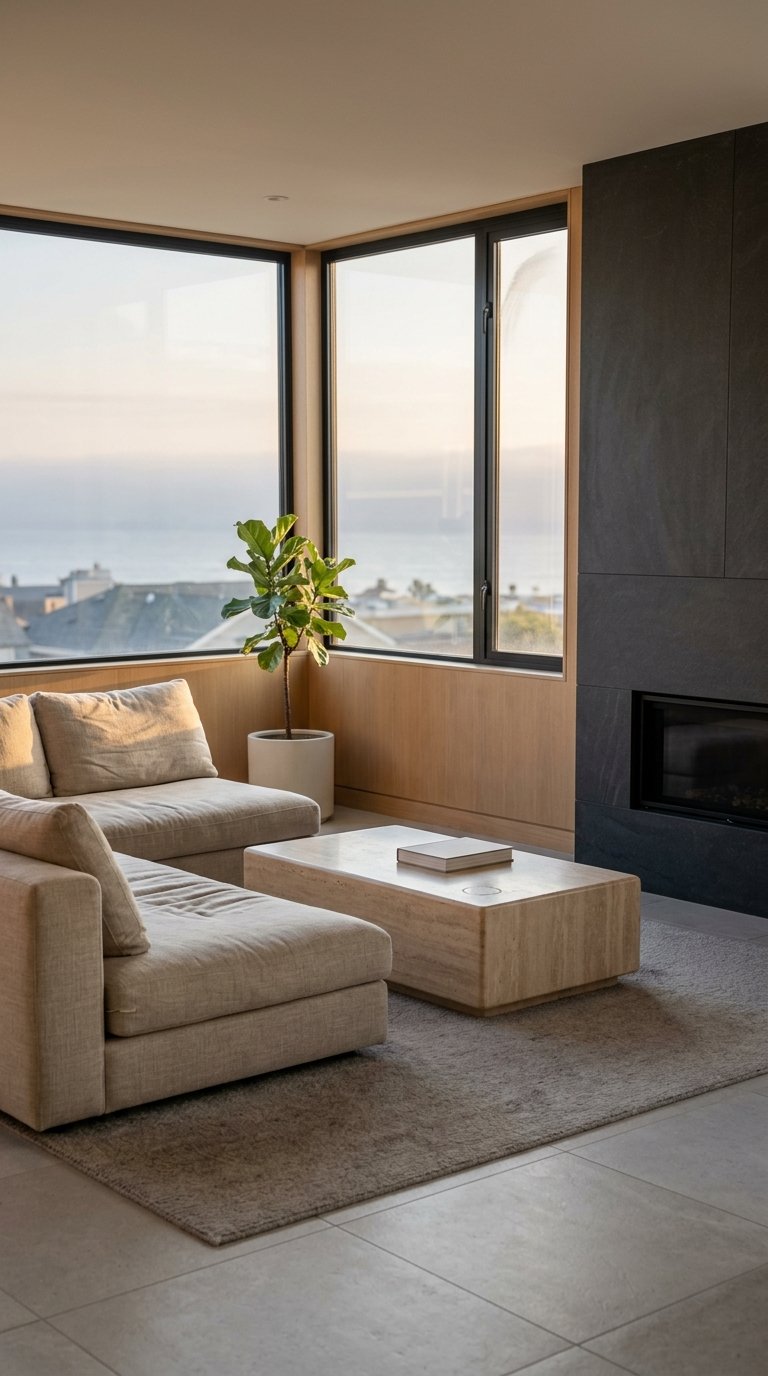
High‑rise buildings near the crest offer sweeping views, staffed entries, valet parking, and secure, lock‑and‑leave living. These properties attract buyers who want low‑maintenance, amenity‑rich homes. The Summit at 999 Green is a classic example of a Russian Hill tower; you can read about its history on The Summit’s profile.
Premium views and services often translate to higher HOA dues, which may include building staff, master insurance, and some utilities. In return, you gain convenience and a strong resale story for high‑floor, prime view lines. Larger buildings can have robust reserves, but capital projects like elevators and facade work can be significant.
Small associations are nimble but can face funding pressure. Larger associations spread costs but have more overhead. In every case, ask for the most recent reserve study and the association’s percent‑funded, plus any notices of special assessments. California requires associations to perform reserve studies at set intervals; see Civil Code §5550 for the framework.
Door staff, secure parking, storage, and included utilities increase dues and attract buyers who value convenience. Lower‑amenity buildings reduce monthly costs, but you may shoulder more responsibility for repairs. Always compare dues against services and the reserve plan.
Street parking is competitive on many blocks. If you rely on a car daily, look for deeded or assigned parking. If you plan to park on the street, review the SFMTA Residential Parking Permit rules for your block using the Residential Parking Permit program. In some cases, a nearby leased garage stall is a practical solution. To see how listings describe parking status, review a neighborhood example such as this 874 Union Street property detail from our brokerage.
In Russian Hill, view lines and higher floors are powerful price drivers. Premium lines command stronger resale, but verify whether views are protected and how seasonal light and wind affect comfort. Ask about any view easements or planned nearby development that could change outlooks.
Older multi‑unit buildings may be subject to San Francisco’s soft‑story retrofit program. Ask for the building’s status and any permits using the city’s soft‑story program resource. For condominiums, California’s SB‑326 requires periodic inspections of exterior elevated elements like balconies; request the latest report and any repair documentation. You can reference SB‑326’s text on LegiScan. For rental buildings, AB‑2579 moved the first SB‑721 inspection deadline to January 1, 2026; see the AB‑2579 update. Starting January 1, 2026, SB‑382 adds a seller advisory about electrical systems; review the bill text on California Legislative Information and ask for any recent electrical inspection notes in the HOA packet.
Lenders evaluate condominium projects for owner‑occupancy, reserves, delinquencies, litigation, and more. Projects with unfunded repairs or active litigation may be ineligible for many conforming loans, which can shrink the buyer pool and affect resale. Ask your lender to check project status early using Fannie Mae’s Condo Project Manager.
Key checks: reserve study percent‑funded, recent or pending special assessments, soft‑story status, and roof or plumbing updates.
Key checks: what dues include, reserve balance and capital plan, elevator and facade maintenance history, and any project‑level litigation.
Scan the listing for building type, parking status, dues and inclusions, unit level, and any disclosures. Note whether parking is deeded, assigned, licensed, or none.
Request the full HOA resale packet. Look for CC&Rs, bylaws, current budget, latest reserve study, financials, master insurance, meeting minutes for 12 to 24 months, delinquency report, owner list and rental percentage, and any assessment notices. California requires reserve planning; see the framework in Civil Code §5550.
Ask for safety and code documentation. For condos, request the latest SB‑326 balcony report and any repair permits. Confirm soft‑story screening or retrofit status via the city’s soft‑story program. If you are evaluating rentals, note AB‑2579’s January 1, 2026 SB‑721 deadline on LegiScan.
Review insurance and electrical notes. Obtain the master insurance declarations. Ask if any units or common areas have legacy electrical panels. SB‑382 adds a seller advisory about electrical systems effective January 1, 2026; the bill text is on California Legislative Information.
Evaluate reserves and near‑term projects. Confirm the reserve study date, percent‑funded, and any planned assessments in the next one to five years. Focus on elevators, roofs, facades, and seismic work.
Check for litigation and lender flags. Ask for any current or past litigation disclosures. Have your lender run an early project review using Fannie Mae’s Condo Project Manager.
Validate parking and the street permit environment. Confirm whether the stall is deeded or transferable. If you plan to use street parking, verify eligibility and rules through the SFMTA Residential Parking Permit program.
Document building systems. Request elevator service logs, roof reports, boiler or HVAC updates, and any recent water intrusion or pest treatment records.
Choosing between boutique charm and full‑service ease comes down to how you live today and what you want to protect in resale. With the right documents and a clear plan, you can buy with confidence and enjoy everything Russian Hill offers. If you want a tailored short list and a building‑by‑building risk review, connect with Colleen Cotter for a complimentary consultation.

Whether clients need an architect, designer, stager, contractor, lender, or friendly counsel, Colleen Cotter Real Estate Group offers invaluable referrals and guidance. Colleen Cotter Real Estate Group has partners across the country and Bay Area including Burlingame, San Mateo, Marin, Silicon Valley, East Bay, Lake Tahoe, Wine Country, Chicago, Los Angeles, and NYC.