
Preserving Character In Haight Ashbury Home Renovations
May 21, 2026
May 21, 2026
If you own a Haight-Ashbury home, renovation can feel like a balancing act. You want better function, more comfort, and a finish level that fits modern living, but you also do not want to erase the details that make the property special. The good news is that in this neighborhood, thoughtful updates often work best when they protect the home’s street-facing character and improve how you live inside. Let’s dive in.
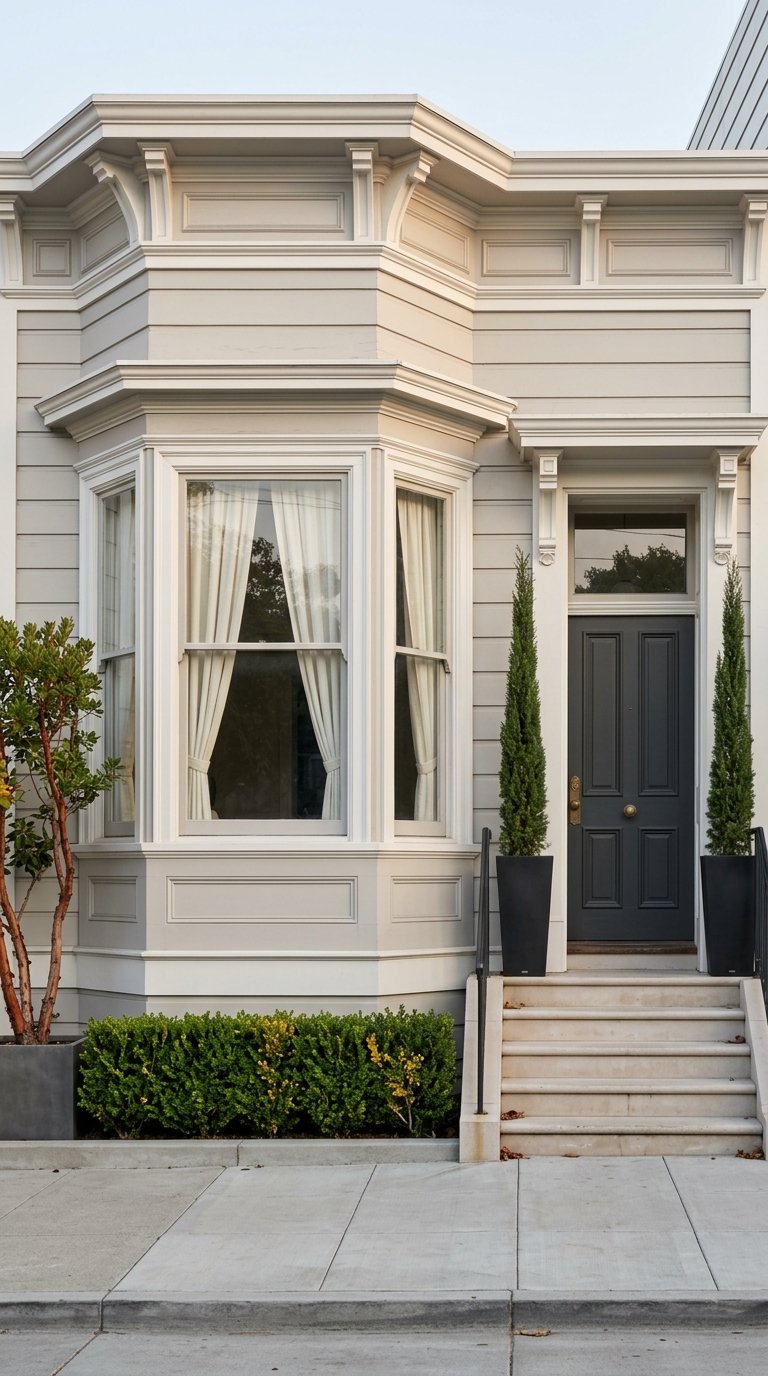
Haight-Ashbury is not just another San Francisco neighborhood with older housing stock. Much of its residential architecture was built between 1890 and 1910, and the area remains an unusually intact turn-of-the-century streetcar suburb. That means many homes still show the forms, trim, and proportions that define the neighborhood’s visual identity.
San Francisco Planning materials describe a mix of architectural styles here, including Queen Anne, First Bay Tradition, Edwardian, and Period Revival. In practical terms, that means your renovation choices do not exist in isolation. Exterior elements that face the street can shape how your home fits into the block and how the property is perceived over time.
One of the biggest mistakes homeowners can make is assuming every Haight-Ashbury home is reviewed the same way. San Francisco uses a parcel-by-parcel historic resource system, so the rules and review path can vary from one address to the next. Before you make design decisions, confirm your specific property’s historic resource category.
The city identifies parcels as A, A*, B, or C. Category A means the building or neighborhood is historic, A* means it is listed in Article 10 or 11, B means unknown, and C means not an historic resource. If any part of your proposed work is visible from the street, planners will review it, and the level of review may depend on that category.
This address-level step matters in Haight-Ashbury. Some properties are placed within the Eligible Haight Ashbury Historic District, which is one reason broad neighborhood assumptions can lead to costly missteps. If your plans affect the front façade, windows, doors, or visible additions, verify the parcel first and confirm the likely review path before drawings are finalized.
In San Francisco, building permit review often involves several departments, including DBI, Planning, Fire, Public Works, and PUC. For older homes, that process can become more complex when exterior work affects a historic resource building. Window and door replacement, street-facing changes, and additions may all move through that review process.
Starting early helps you avoid redesigns later. It is also wise to pull prior permit job cards and available building plans so you can see what may be original, what has already been altered, and what may have been previously approved. That record can help your architect or designer make better decisions from the start.
In a neighborhood like Haight-Ashbury, design quality is not only about style. It is also about interpretation. San Francisco Planning says its historic preservation design guidelines are directive rather than prescriptive, which means there is room for thoughtful solutions, but they still need to respect the building’s character.
That is why bringing in an architect or designer with preservation experience early can be so valuable. You want someone who understands how to improve layout, systems, and livability without removing the features that give the house its identity. In many cases, the right advisor can help you save time, reduce avoidable changes, and protect long-term resale appeal.
For many Haight-Ashbury homes, the strongest renovation approach is rehabilitation rather than a full gut remodel. Rehabilitation allows you to make a home functional for current use through repair, alterations, and additions while preserving the parts that convey historic value. That often fits older San Francisco housing better than stripping everything back to create a generic result.
This approach can be especially effective when you want to modernize kitchens, baths, and building systems. Mechanical, electrical, plumbing, and code-related upgrades can usually be handled in a sensitive way that improves daily life while keeping important architectural fabric in place. In a neighborhood known for visible character, that balance matters.
Original details often do more than add charm. They help define the home’s authenticity, and they can influence how buyers respond when it is time to sell. In Haight-Ashbury, that includes windows, trim, façade ornament, proportions, and other elements that are visible from the street.
Historic preservation guidance generally favors repair over replacement when windows are distinctive or finely crafted. The same logic applies to other original features that characterize the property. If a feature can be repaired and retained, that option is often more in keeping with the home’s architectural value than replacing it with something new that only approximates the original look.
If you are planning a renovation for your own enjoyment and future resale, kitchens and baths are still important places to invest. Remodeling research shows strong demand for kitchen upgrades and bathroom renovations, with homeowners valuing improved functionality, livability, durable materials, and enhanced aesthetics. Those priorities line up well with what many buyers want in San Francisco homes.
In Haight-Ashbury, the best results often come from pairing modern convenience with a sense of architectural continuity. That may mean reworking layout, improving storage, upgrading plumbing and electrical, and choosing durable finishes without making the interior feel disconnected from the age and style of the house. The goal is not to make an 1890s or 1900s home feel brand new. The goal is to make it work beautifully today.
When homeowners need more space, additions can be part of the solution, but they need careful handling in historic contexts. Preservation guidance recommends that additions preserve the historic building’s form and envelope and remain compatible with its massing, size, scale, and architectural features. At the same time, the historic house should remain primary.
In practice, rear additions or work on a less visible side are often easier to reconcile with those goals than dramatic street-facing changes. A good addition does not need to copy the original house exactly. It should feel compatible, subordinate, and clearly secondary so the historic structure still leads.
Paint may seem like a finishing choice, but in Haight-Ashbury it can be part of the larger architectural conversation. The neighborhood is tied to the Bay Area’s Victorian color tradition, including the 1960s and 1970s movement when homeowners and artists experimented with bold exterior palettes on ornate façades. That history gives color added significance here.
For your project, that means exterior paint and trim choices deserve the same level of thought as materials and detailing. Whether you prefer a more classic palette or something more expressive, the strongest result is usually one that works with the home’s ornament, proportion, and setting rather than competing with them.
Preserving character does not mean giving up on comfort. Historic properties can be made more sustainable, energy-efficient, and resilient while still protecting what makes them special. The key is to treat those upgrades as part of a coordinated renovation plan rather than a series of disconnected fixes.
This is another reason repair-first thinking can be so useful. Instead of removing historic materials wholesale, you can often improve performance through targeted upgrades that support both comfort and preservation goals. That kind of strategy can help older homes live better without losing their architectural soul.
From a resale perspective, the strongest outcome is often not the most drastic renovation. Research on remodeling demand points to the continued appeal of updated kitchens and baths, but it also shows that buyers and homeowners do not always value the same improvements in the same way. Simpler upgrades such as painting can still play an important role, especially when presentation matters.
In Haight-Ashbury, the most compelling resale strategy is often a blend of preserved period character and thoughtful modernization. Buyers are likely to respond to a home that still looks and feels true to the neighborhood from the street, while offering better function, durability, and comfort inside. That combination supports both emotional appeal and practical value.
Before you move forward, keep these priorities in mind:
If you are renovating with future resale in mind, it also helps to think ahead about presentation. The homes that stand out in San Francisco are often the ones where updates feel intentional, not overdone, and where the design story remains clear from the curb to the interior.
If you are weighing renovation choices in Haight-Ashbury and want a market-informed perspective on what buyers value, what supports resale, and how to position a character home thoughtfully, Colleen Cotter can help you think through the next step.

Real Estate
Real Estate
Lifestyle
Real Estate
Real Estate

Real Estate

Whether clients need an architect, designer, stager, contractor, lender, or friendly counsel, Colleen Cotter Real Estate Group offers invaluable referrals and guidance. Colleen Cotter Real Estate Group has partners across the country and Bay Area including Burlingame, San Mateo, Marin, Silicon Valley, East Bay, Lake Tahoe, Wine Country, Chicago, Los Angeles, and NYC.