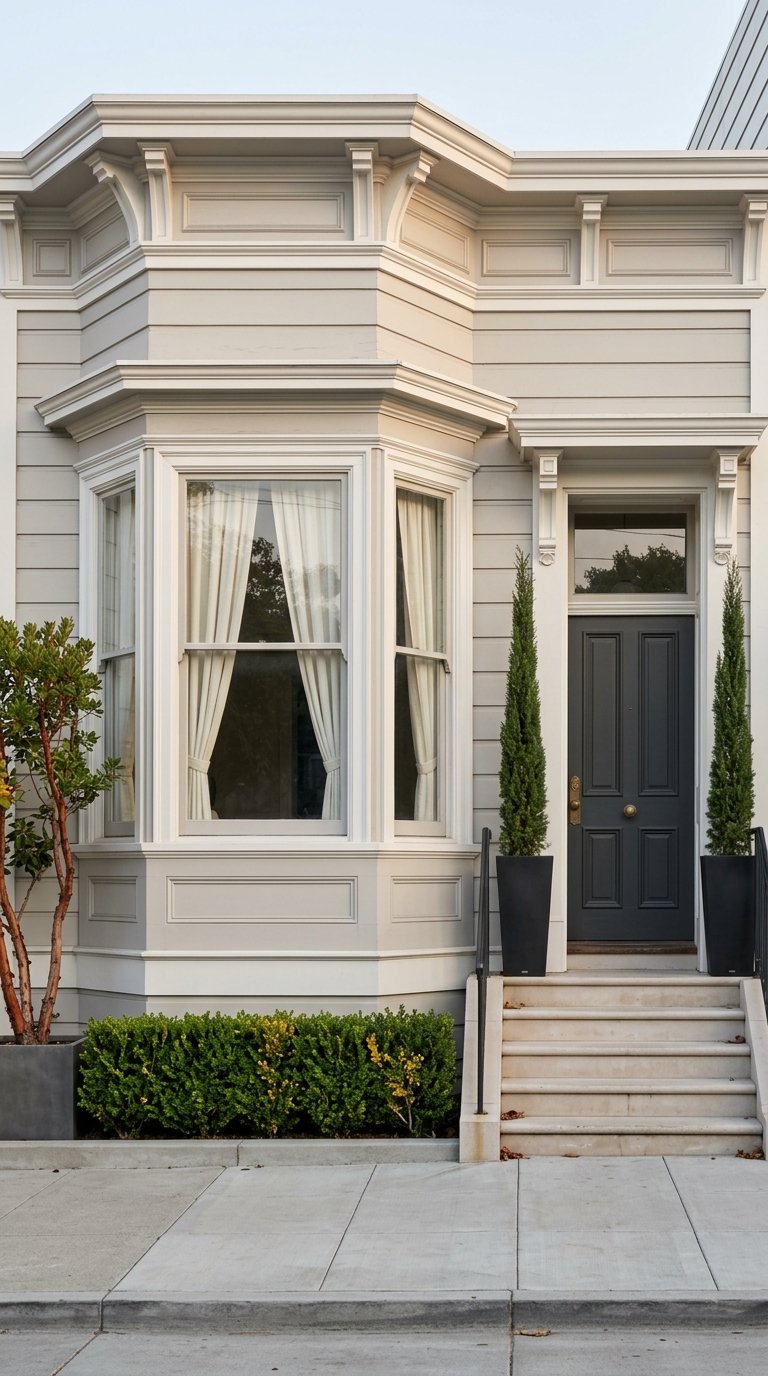
Selling A Pacific Heights View Home Strategically
June 4, 2026
June 4, 2026
If you own a Pacific Heights view home, timing and strategy matter just as much as the property itself. In a market where buyers move quickly and premium homes can command strong attention, you need more than a simple list date and a few photos. You need a plan that respects the architecture, highlights the view, and positions your home against the right comparable sales. Let’s dive in.
Pacific Heights is operating from a position of strength. Redfin reports a median sale price of $2,249,164 for the three months ending April 2026, up 12.0% year over year, with homes selling in an average of 13 days. The neighborhood is also described as highly competitive, with typical sales around 8% above list price.
That broad snapshot matters, but view homes often live in a more rarefied tier. SFAR’s March 2026 report places Pacific Heights in District 7, where single-family homes posted a median sales price of $8.4 million, with 51 days on market and 1.0 month of supply. In other words, the top end can move differently from neighborhood averages, which is why strategy has to be specific to your home.
The wider luxury backdrop is also supportive. Redfin found San Francisco luxury pending sales up 48.4% year over year in April 2026, the strongest increase among major metros, while the metro median sale price rose to a record $1.7 million in March 2026. For sellers, that points to a market where serious luxury buyers are active and well-prepared homes can capture meaningful demand.
In Pacific Heights, a view is not a nice extra. It is often a central part of the home’s appeal and pricing power. Research cited in the market report shows that higher-quality and more exclusive views are reflected in residential values, and San Francisco’s General Plan recognizes the importance of views of the Bay, Ocean, hills, and cityscape to the character of the city.
That local context is especially important here. The San Francisco Planning Department describes Pacific Heights as an area known for large formal detached dwellings, quality materials, and lots that often offer Bay views. Because of the neighborhood’s topography, many homes enjoy sweeping outlooks that are hard to replicate.
For you as a seller, this means buyers are often evaluating three things together: the view, the setting, and the architecture. A home with a durable outlook and authentic architectural character may deserve a very different pricing discussion than a similarly sized home without those advantages.
Strong markets can tempt sellers to push price too far. In Pacific Heights, that can backfire, especially at the luxury level where buyers are sophisticated and closely track value. The best pricing strategy starts with recent closed sales, then adjusts for the quality of the view, lot position, architecture, condition, and how the home lives day to day.
This is especially important in a market where some homes sell above list. Selling above list does not mean every list price is justified. It usually means the home entered the market in a range that encouraged competition and gave buyers confidence to act.
A strategic launch should answer questions like these:
In this market, precision usually beats optimism. A well-supported number can create momentum, while an inflated number can slow it.
For a Pacific Heights view property, presentation should support the outlook, not compete with it. That often means simplifying rooms, editing furniture, and making sure buyers immediately understand what the home offers when they walk in.
The staging data in the research report supports this approach. NAR’s 2025 staging report found that 29% of agents said staging increased dollar value offered by 1% to 10%, and 49% said staging reduced time on market. Buyers’ agents also said staging helps buyers envision the home, while photos, videos, and virtual tours ranked as highly important.
In practical terms, your preparation plan should focus on the rooms that shape first impressions and emotional connection:
The basics still matter. According to the same report, 91% of sellers’ agents recommended decluttering, 88% recommended deep cleaning, and 77% recommended improving curb appeal. In Pacific Heights, these steps do more than tidy the home. They help buyers focus on proportion, light, finishes, and the view itself.
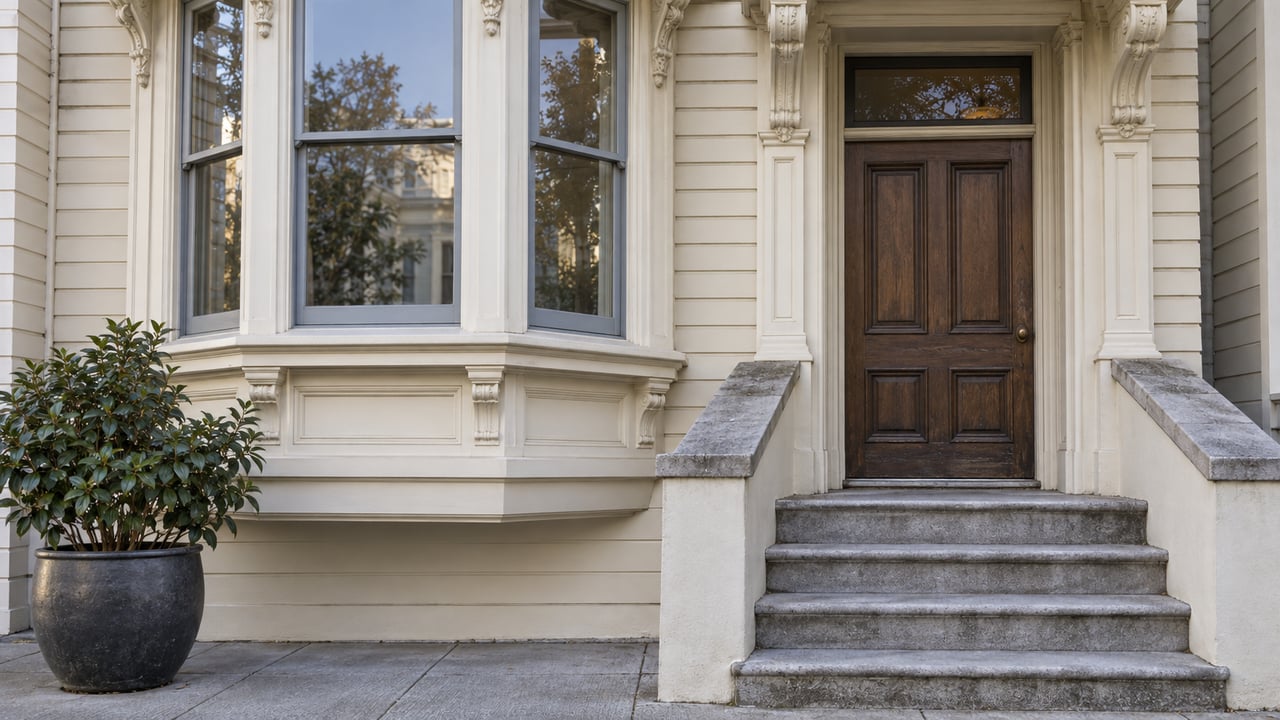
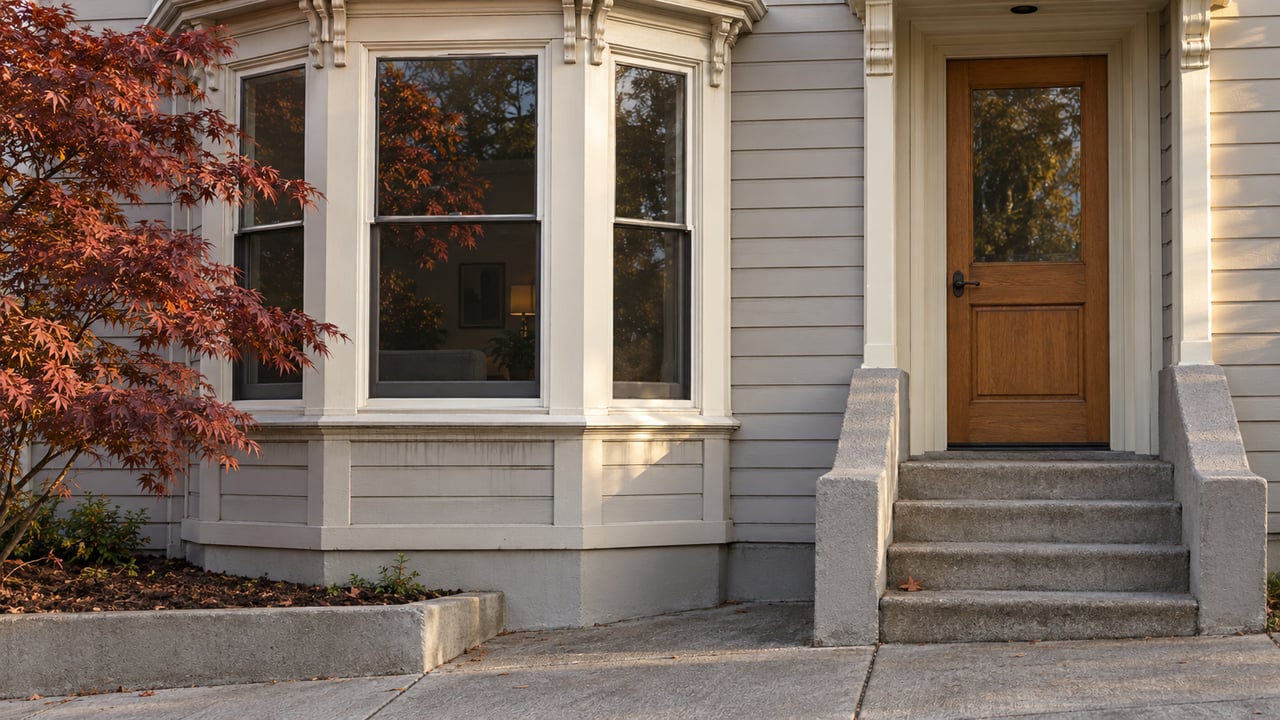
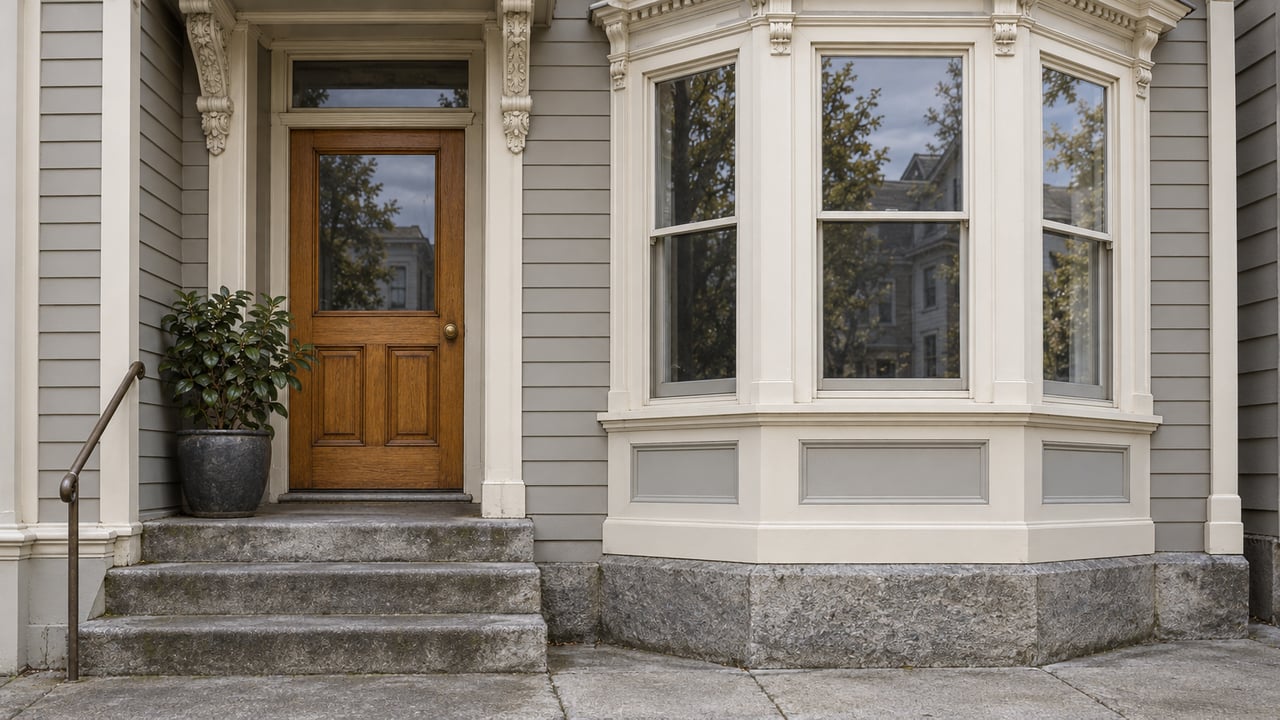
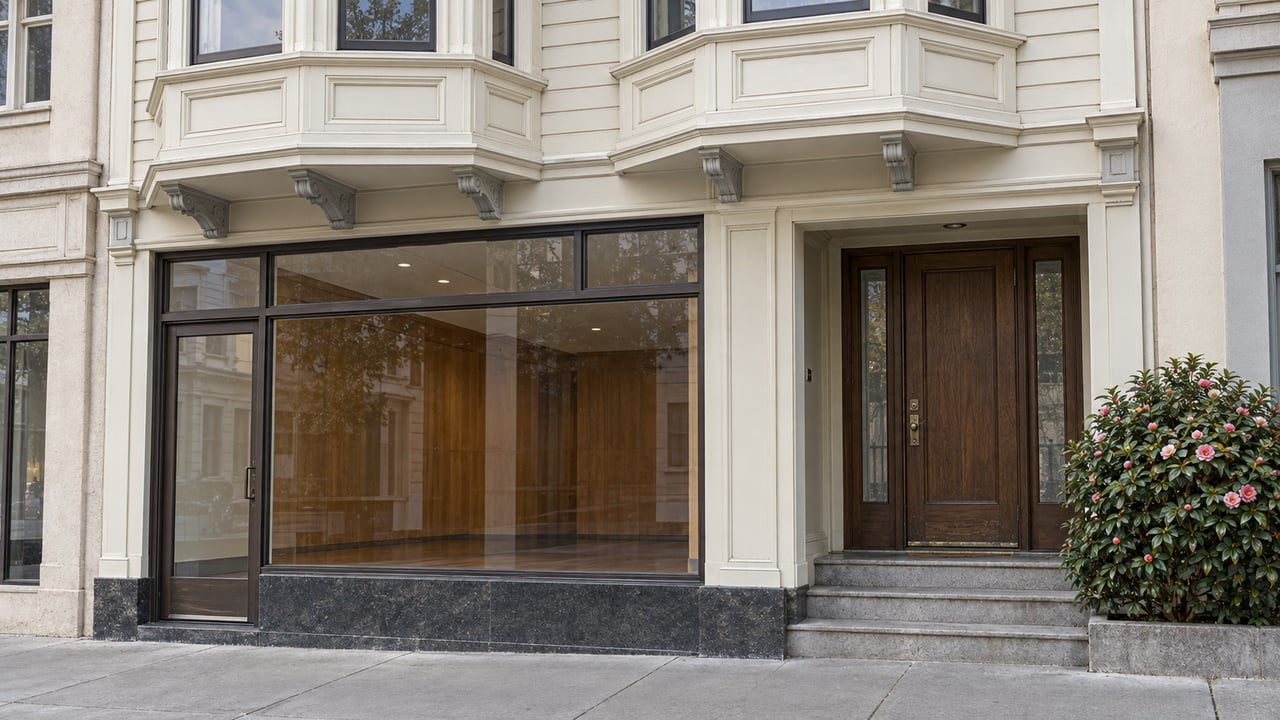
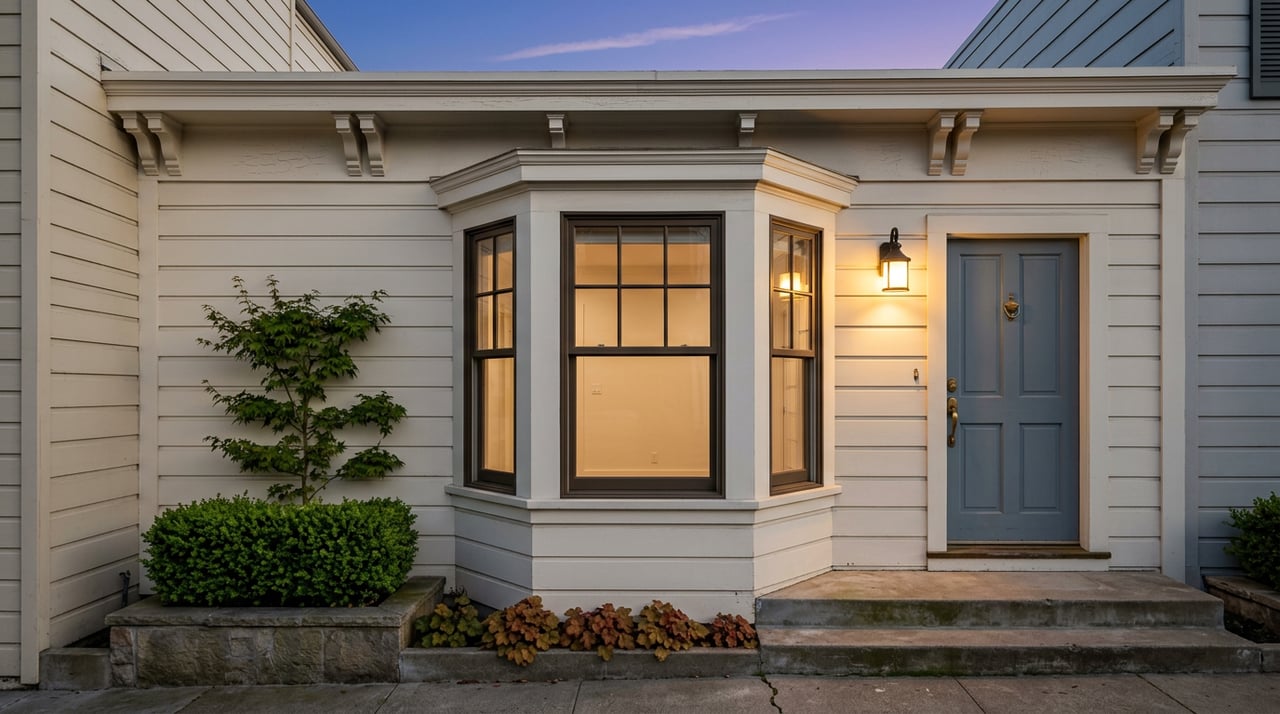
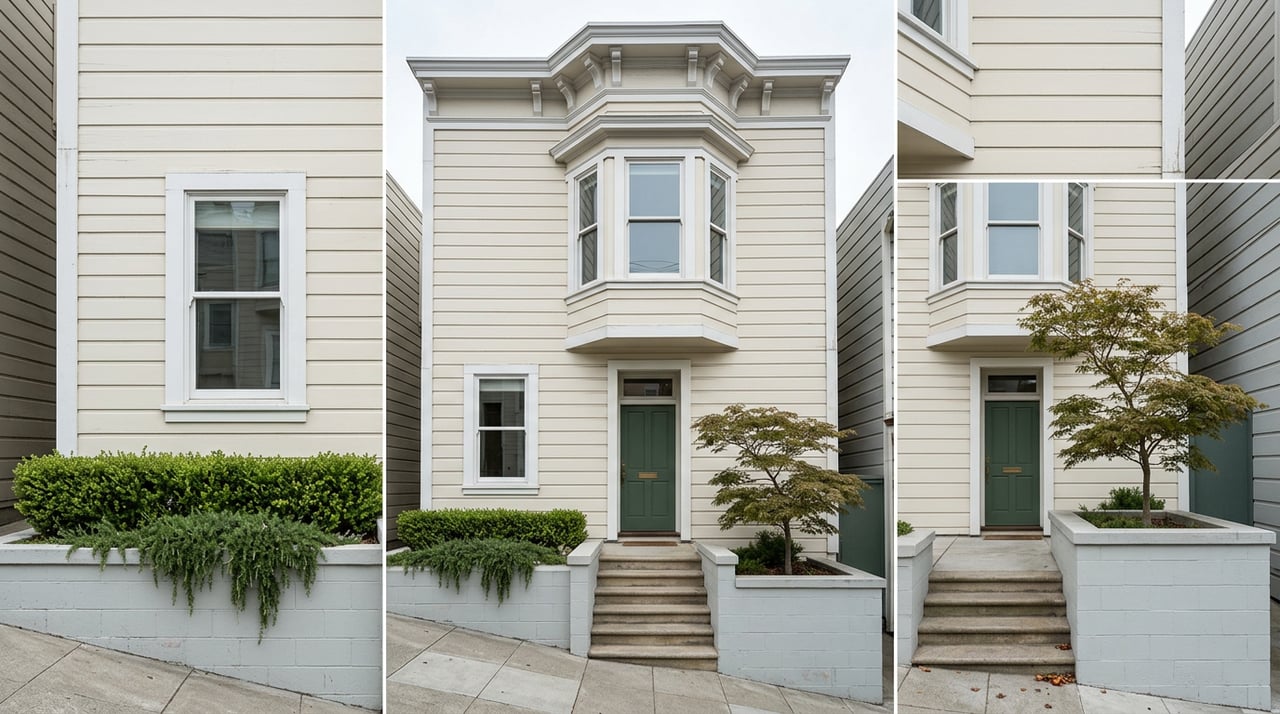
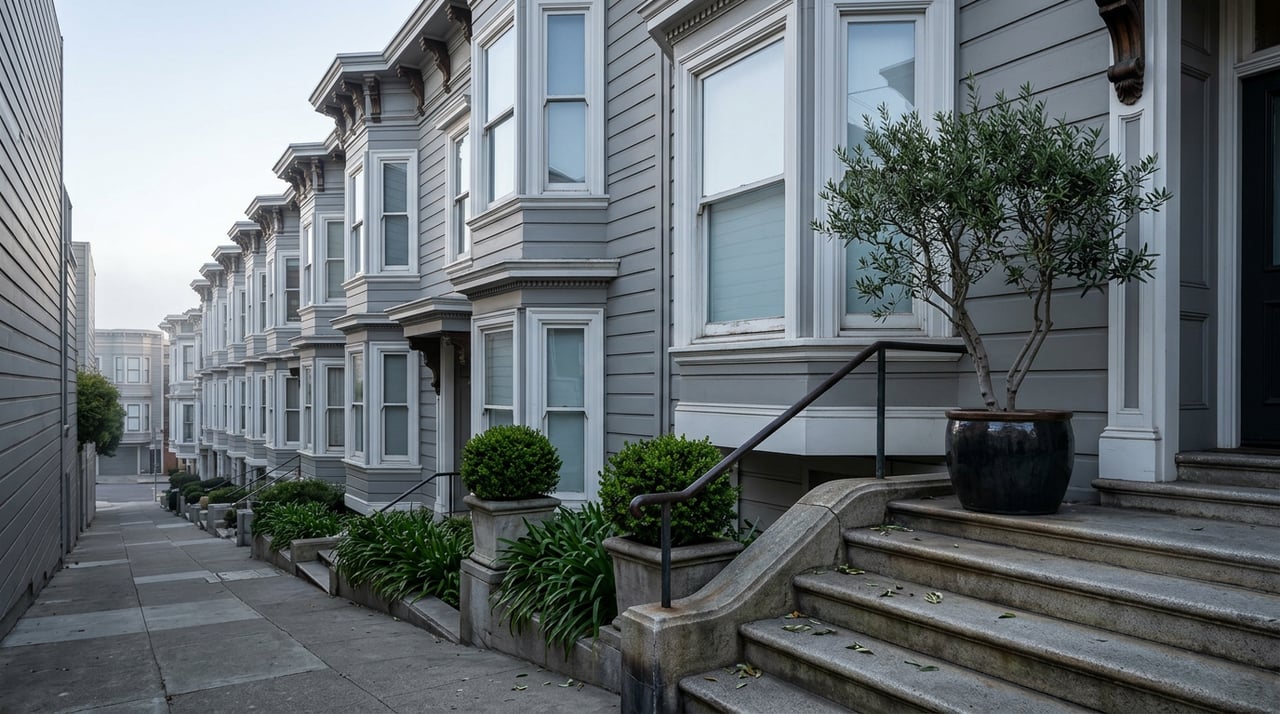
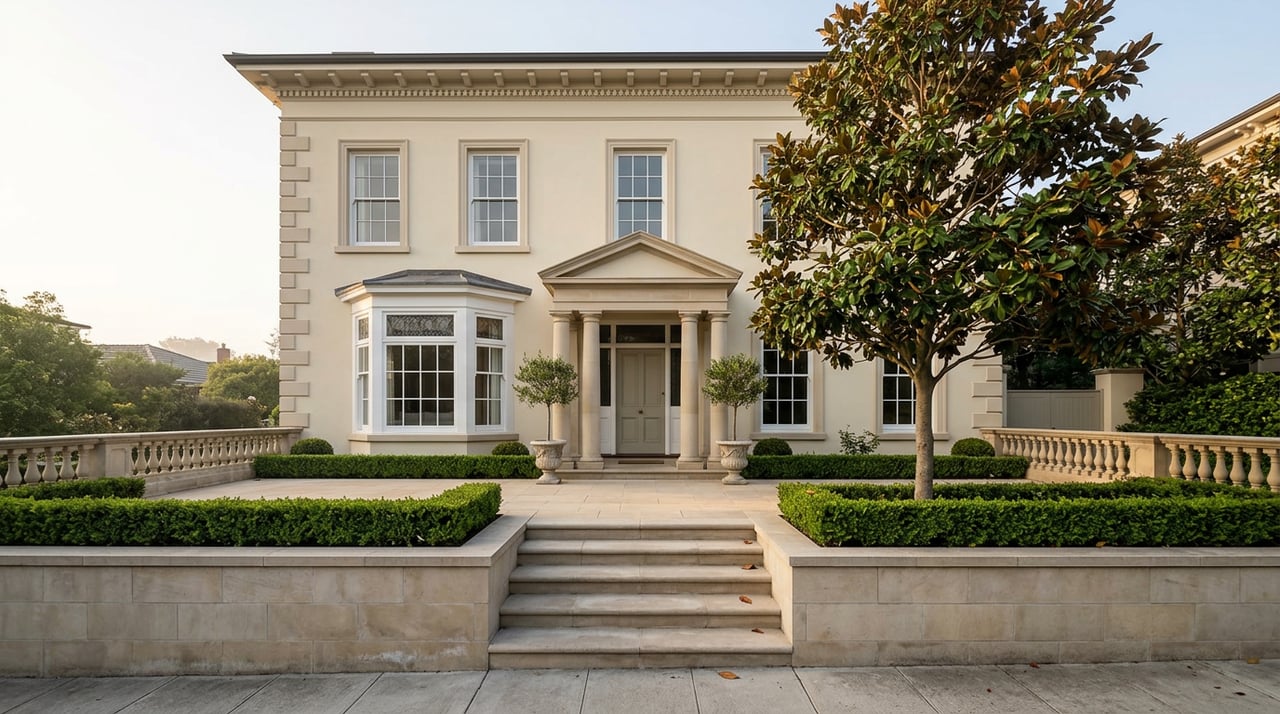
Many Pacific Heights homes compete on architectural character as much as square footage. Formal facades, period detailing, setbacks, craftsmanship, and relationship to the street all shape how a buyer perceives value. If your home has preserved details or a strong historic feel, that should be presented clearly and confidently.
That does not mean every home needs a museum-like approach. It means your marketing should show how the home’s original character and present-day livability work together. Buyers in this segment often respond to homes that feel authentic, calm, and visually resolved.
When staging and styling, it helps to avoid anything that interrupts the architecture or the outlook, such as:
The goal is simple: make it easy for a buyer to remember the feeling of being in the home.
If you are considering exterior touch-ups before bringing the home to market, pause before making visible changes. San Francisco guidance notes that work visible from the street can trigger Planning review, and Pacific Heights includes properties and blocks that may relate to historic-resource considerations.
That does not mean you should avoid preparing the exterior. It means you should verify historic-resource status before making facade or other street-visible alterations. A strategic seller protects both marketability and compliance.
Luxury sellers sometimes wonder whether a quiet sale is the smartest route. In certain situations, discretion matters, but broad exposure can still be powerful. Industry coverage of an SFAR and RealReports study found that San Francisco homes listed publicly on the MLS sold for an average of $302,000 more than comparable off-market sales between 2022 and 2024.
That figure should be treated as directional, not a guarantee for any one home. Still, the takeaway is important. Even in the luxury market, open price discovery and full-market visibility can produce stronger results than a limited launch.
For a Pacific Heights view home, the right exposure strategy should combine:
This is where polished presentation and disciplined distribution make a measurable difference.
A successful sale is not just about headline price. Your net matters, and in San Francisco, transfer tax can be a significant closing cost. The city’s transfer tax rate varies depending on consideration and exemptions, so it should be part of your planning from the start.
Before you choose a list date, it helps to build an early seller net sheet that accounts for:
This gives you a clearer picture of timing, pricing, and what level of pre-list investment makes sense. For high-value homes, these decisions can materially affect your bottom line.
Selling in California means preparing for statutory disclosures, and it is smart to get organized early. The California Department of Real Estate says the seller’s Real Property Disclosure Statement covers the physical condition of the property and known hazards or defects. Additional disclosures may also be required based on the home’s age and location.
California also requires a Natural Hazard Disclosure Statement for residential transfers, and federal law requires lead-based-paint disclosure for most homes built before 1978. For many Pacific Heights homes, especially older residences, early disclosure planning can reduce stress later in the process.
A smoother transaction usually starts with preparation, not reaction. Gathering documents, clarifying known conditions, and reviewing likely disclosure needs before launch can help you stay in control once buyers begin asking questions.
In today’s Pacific Heights market, strategic selling is about aligning the product with the moment. Strong local pricing, low supply in the luxury tier, and active high-end demand create opportunity, but only when your home is presented and priced with discipline.
That means treating the view as an asset, the architecture as part of the value story, and the launch plan as a pricing tool in its own right. With the right preparation, a Pacific Heights view home can enter the market in a way that feels both elevated and grounded in real data.
If you are weighing the right timing, pricing, or presentation plan for your home, Colleen Cotter can help you build a thoughtful, data-driven strategy tailored to Pacific Heights.
Whether clients need an architect, designer, stager, contractor, lender, or friendly counsel, Colleen Cotter Real Estate Group offers invaluable referrals and guidance. Colleen Cotter Real Estate Group has partners across the country and Bay Area including Burlingame, San Mateo, Marin, Silicon Valley, East Bay, Lake Tahoe, Wine Country, Chicago, Los Angeles, and NYC.