Your Marina District Lifestyle Guide for Weekend Living
June 25, 2026
June 25, 2026
If your ideal Saturday starts with bay air, a long walk, and a great meal you do not need to drive across the city to find it, the Marina makes a strong case for itself. This neighborhood has a rhythm that feels easy to step into, whether you already live in San Francisco or you are trying to picture what daily life here could look like. From waterfront paths to Chestnut Street errands and low-rise homes near it all, this guide will show you what weekend living in the Marina District really feels like. Let’s dive in.
The Marina District is a predominantly residential, low-rise neighborhood on San Francisco’s northern waterfront. According to San Francisco Planning, it is defined by a mix of flats, apartment buildings, and single-family dwellings, along with generous parkland and a long-established commercial core.
That combination shapes the neighborhood’s appeal. You get bay and Marin Headlands views, proximity to downtown, and easy access to open space, all within a part of the city that still feels distinctly residential. For many buyers, that balance is what makes the Marina stand out.
A typical Marina weekend often begins outside. Crissy Field gives you a flat waterfront promenade, beaches, picnic tables, marsh overlooks, and a popular trail that runs between Marina Green and Fort Point.
That means your morning can be as active or relaxed as you want it to be. You can walk, bike, bird, or simply take in the water and bridge views without needing a complicated plan.
Crissy Field works because it is both scenic and functional. It is a restored former airfield turned park, and today it supports the kind of everyday outdoor use that many people want close to home.
For buyers thinking about lifestyle, this matters. The ability to step out for a quick walk or a longer run can shape how a neighborhood feels week after week, not just on special occasions.
At the west end of Crissy Field, the Warming Hut offers tea, hot chocolate, coffee, and snacks. It is an easy stop after a walk or run and adds to the neighborhood’s casual weekend flow.
That small detail says a lot about Marina living. The best neighborhood routines are often built around simple conveniences that feel pleasant rather than planned.
Marina Green extends that same waterfront energy. San Francisco Recreation and Park identifies it as a grassy field area along Marina Boulevard with restrooms and open space for neighborhood use.
It is also part of a broader recreational setting connected to the Marina Yacht Harbor. The area is known for open lawns, perimeter workout stations, and major events such as Fleet Week and Escape from Alcatraz.
Some parks are beautiful but passive. Marina Green feels different because it invites movement, gathering, and repeat use.
If you picture your weekends including a walk with friends, a stretch on the grass, or a simple reset near the water, this is one of the neighborhood’s strongest assets. It gives the Marina a sense of openness that is unusual in a dense city setting.
A little farther inland, Moscone Recreation Center rounds out the Marina’s active side. The complex includes baseball and softball diamonds, tennis courts, basketball courts, pickleball, a playground, grassy areas, an indoor recreation center, and an off-leash dog play area.
Another San Francisco Recreation and Park description also notes mini driving range and putting greens. Taken together, Moscone gives the neighborhood a practical recreational hub that supports many different routines.
This is an important part of the Marina story. The neighborhood is not only about scenic edges and sunny views. It also offers spaces that support daily life in a grounded, useful way.
For households with varied schedules and interests, that kind of flexibility can be a real advantage. A neighborhood feels more livable when its amenities are not one-note.
After the waterfront, the Marina’s weekend rhythm often shifts to Chestnut Street. San Francisco Planning describes Chestnut as the neighborhood’s historic commercial core, developed as a five-block district lined with mixed-use buildings, shops, restaurants, and personal-service businesses.
That pattern still shapes the experience today. You can move from coffee to errands to brunch to a quick browse without covering much ground.
Chestnut Street supports the kind of dining culture that makes neighborhood living easier. Official restaurant sites show options like A16 on Chestnut Street and Delarosa’s Marina location, both of which reinforce the street’s role as an everyday dining corridor.
What matters most is not one specific reservation. It is the fact that going out can feel spontaneous and local, which is often a big part of the Marina’s appeal.
The Marina also makes it easy to connect fitness with the rest of your day. CorePower Yoga has a Marina studio with locker rooms and showers, and Barry’s operates a studio on Lombard Street.
This supports a lifestyle where a waterfront run, a class, and lunch can all happen within a compact area. For many buyers, that walkable sequence is more valuable than having a long list of amenities spread across a wider map.
Retail in the Marina is local-serving and easy to access. Chestnut includes a mix of apparel and specialty shopping, with examples such as Madewell and Marine Layer on the corridor.
The overall experience is less about destination shopping and more about fitting a few stops into the middle of your day. That kind of convenience can make a neighborhood feel efficient in the best way.
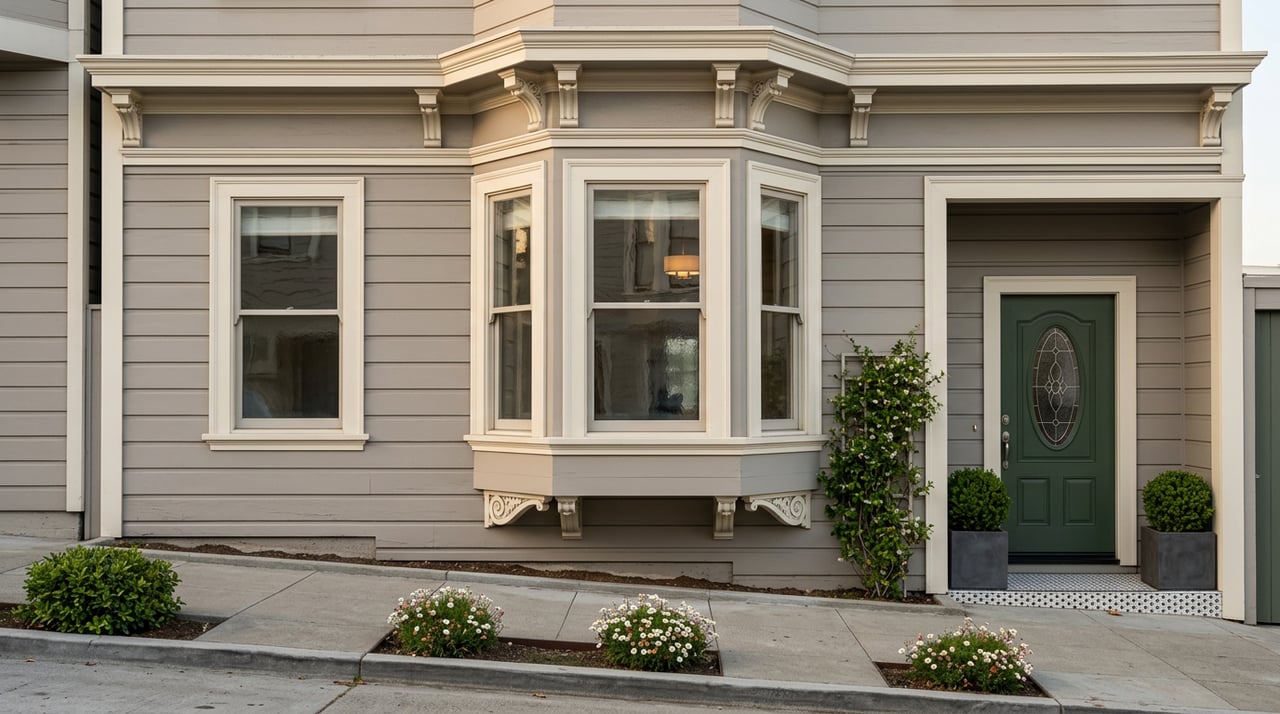
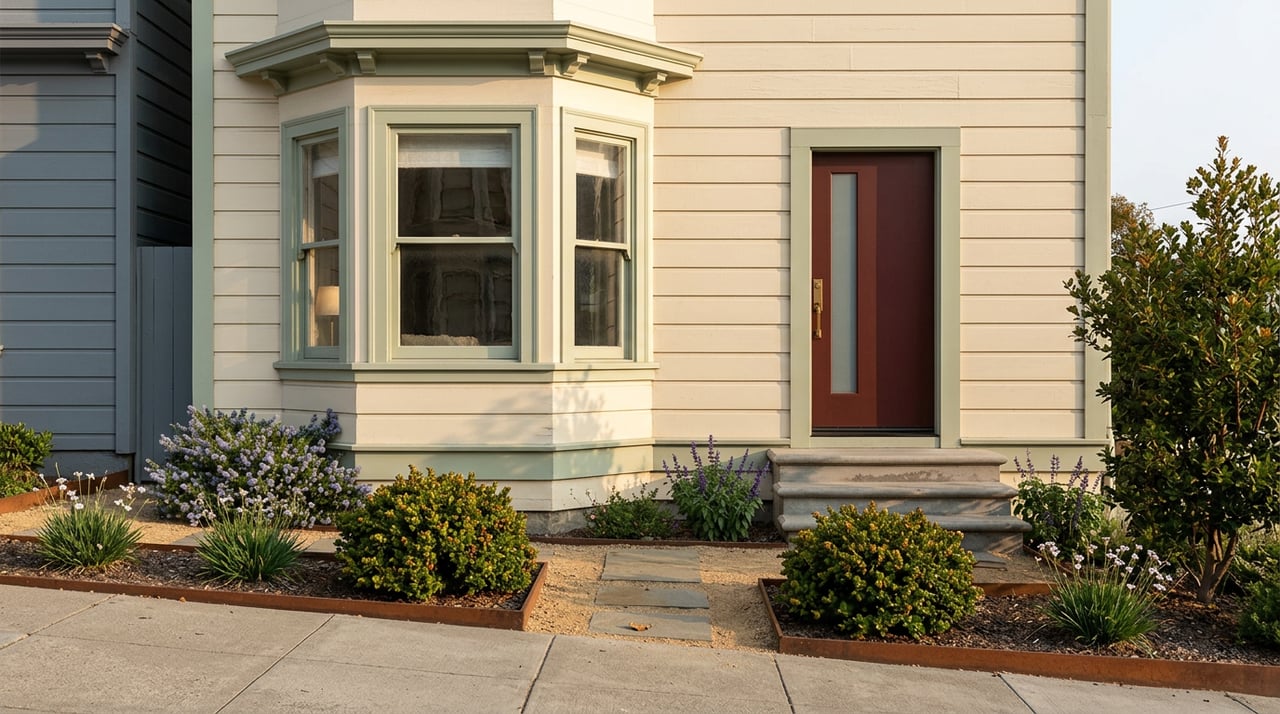
The Marina’s housing stock helps explain why the neighborhood lives the way it does. San Francisco Planning describes the area as a mix of flats, apartment buildings, and single-family dwellings, shaped in part by standard 25- and 30-foot lots and a building boom in the 1920s and 1930s.
Those physical patterns created a neighborhood of compact, low-rise homes rather than deep-lot suburban properties. Many of the commercial buildings along Chestnut are also mixed-use, with retail below and residential space above.
If you are shopping in the Marina, you will likely see layouts that support an efficient city lifestyle. Flats, condos, stacked units, and multi-unit buildings are common fits for buyers who want to walk out the door and start the day.
Some buyers may prefer homes close to Chestnut for immediate access to dining and errands. Others may lean toward top-floor units, quieter interiors, or layouts that create more separation between entertaining and everyday living.
For sellers, the Marina lifestyle is not only about square footage. It is also about how well a home connects to the routines buyers already imagine having here.
Presentation matters when a buyer is comparing similar low-rise housing options. A well-positioned listing can show how location, light, layout, and proximity to parks or Chestnut Street support the kind of weekend living that defines the neighborhood.
The Marina was built on fill and experienced severe liquefaction damage during the 1989 earthquake. Because of that history, buyers and sellers often pay attention to building age and retrofit status in older low-rise buildings.
This is simply part of the practical housing conversation in the neighborhood. It does not define the Marina, but it is an important factor when evaluating property details and planning a purchase or sale.
Transit is not always the first thing people mention about the Marina, but it adds useful context. SFMTA lists the neighborhood as served by several lines, including the 22 Fillmore, 28 19th Avenue, 30 Stockton, 30X Marina Express, 41 Union, 43 Masonic, 45 Union/Stockton, and 47 Van Ness.
That service helps connect the Marina to the rest of the city while preserving its neighborhood feel. The result is a lifestyle where many weekend needs can be met locally, with broader access available when you want it.
If you want to picture the neighborhood in one simple sequence, it often looks like this:
What makes the Marina special is how natural this flow feels. The neighborhood’s parks, commercial core, and housing patterns all support it.
Lifestyle is not separate from real estate in the Marina. It is one of the clearest ways to understand value, fit, and demand.
If you are buying, weekend patterns can help you decide what kind of layout and location serve you best. If you are selling, the same lifestyle logic can help shape pricing, positioning, and how your home is presented to the market.
In a neighborhood where design, routine, and walkability all influence decision-making, local insight matters. That is especially true when you are weighing not just a property, but the everyday experience that comes with it.
If you are considering a move in the Marina or want a sharper read on how your home fits this market, Colleen Cotter can help you navigate the neighborhood with thoughtful strategy and local perspective.

Whether clients need an architect, designer, stager, contractor, lender, or friendly counsel, Colleen Cotter Real Estate Group offers invaluable referrals and guidance. Colleen Cotter Real Estate Group has partners across the country and Bay Area including Burlingame, San Mateo, Marin, Silicon Valley, East Bay, Lake Tahoe, Wine Country, Chicago, Los Angeles, and NYC.