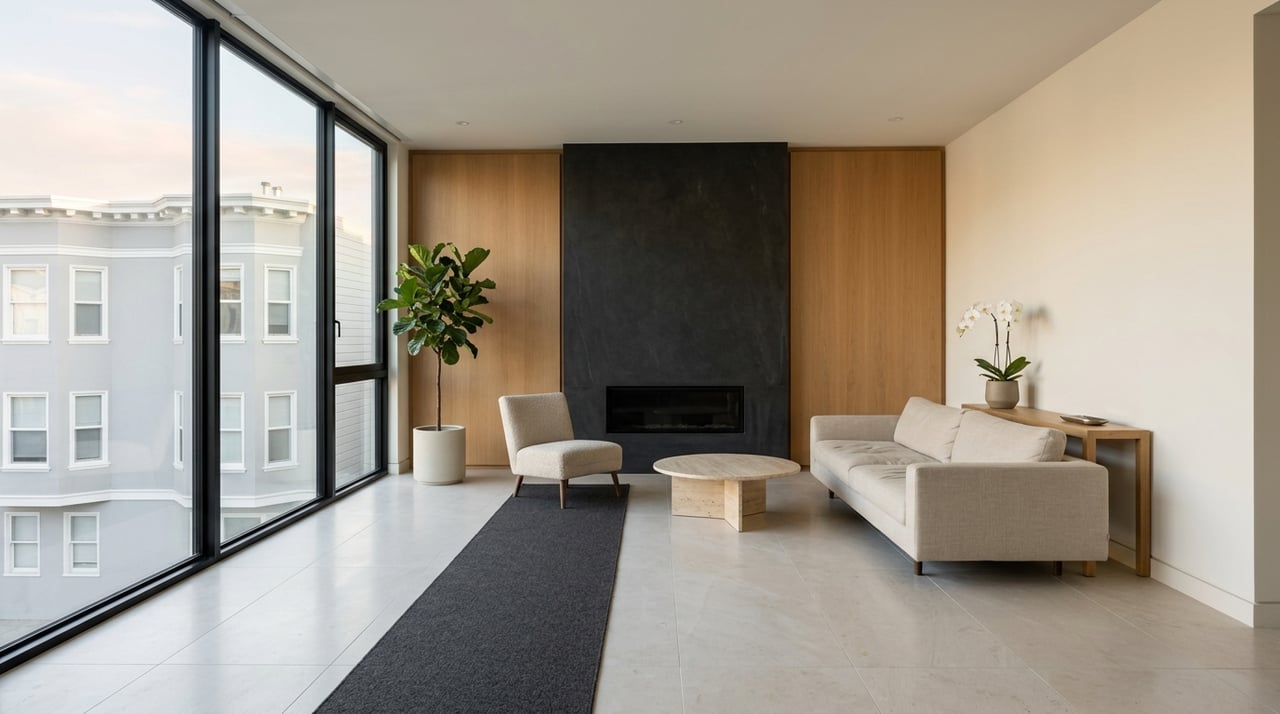
Is A Pacific Heights Pied-A-Terre Right For You
June 11, 2026
June 11, 2026
A San Francisco home base sounds glamorous, but the right pied-à-terre needs to work in real life too. If you want a place that feels polished, easy to manage, and well connected when you are in town, Pacific Heights often rises to the top of the list. The question is whether its mix of architecture, ownership structures, and carrying costs fits how you actually plan to live. Let’s dive in.
Pacific Heights stands out because it pairs beauty with day-to-day convenience. The neighborhood has a Walk Score of 97, and it is served by multiple SFMTA lines, including the California Cable Car, 1 California, 2 Sutter, 22 Fillmore, 24 Divisadero, 41 Union, and 47 Van Ness. For many part-time owners, that kind of mobility makes it easier to enjoy the city without relying on a car.
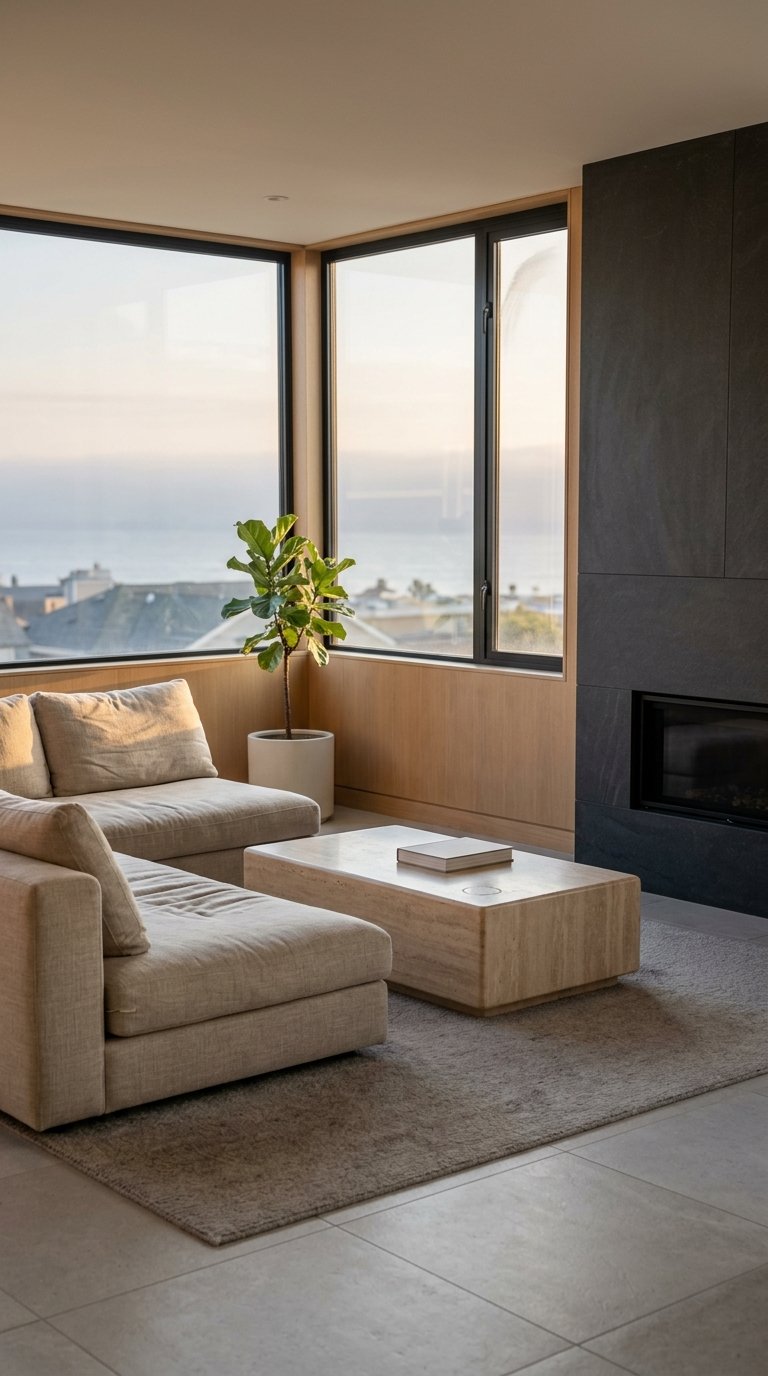
The setting also matters. San Francisco Planning describes Pacific Heights as a neighborhood of rising building heights along the north slope, with Bay views, landscaped streets, and distinguished residences. In practical terms, that gives you a home base that feels both residential and visually memorable.
Everyday convenience is part of the appeal as well. Recent condo listings and sales in the area regularly point to Fillmore Street shopping and dining, along with nearby open spaces like Lafayette Park and Alta Plaza Park. If you want a lock-and-leave property, being able to step out for coffee, errands, or a walk without much planning can be a real advantage.
One of the biggest surprises for buyers is that Pacific Heights does not come in one standard format. The neighborhood is known for grand historic homes, but pied-à-terre options can include pre-war apartments, elevator condos, boutique buildings, co-ops, and TICs. That variety creates opportunity, but it also means your search needs to be specific.
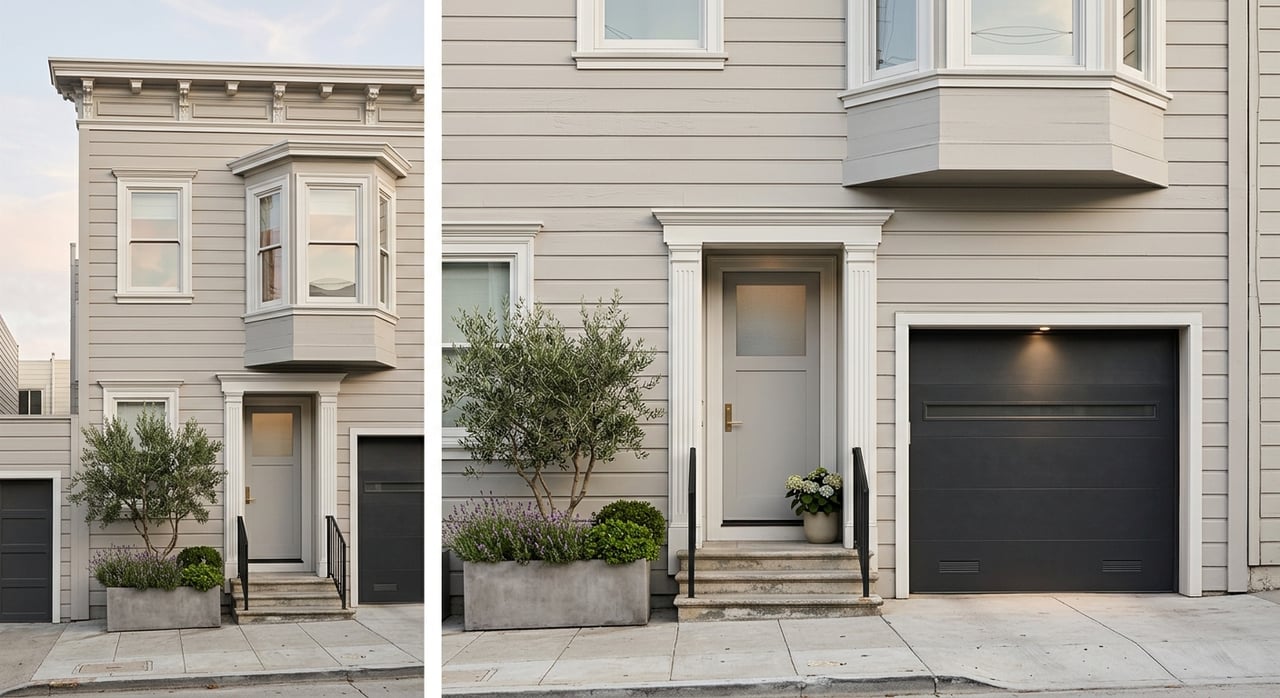
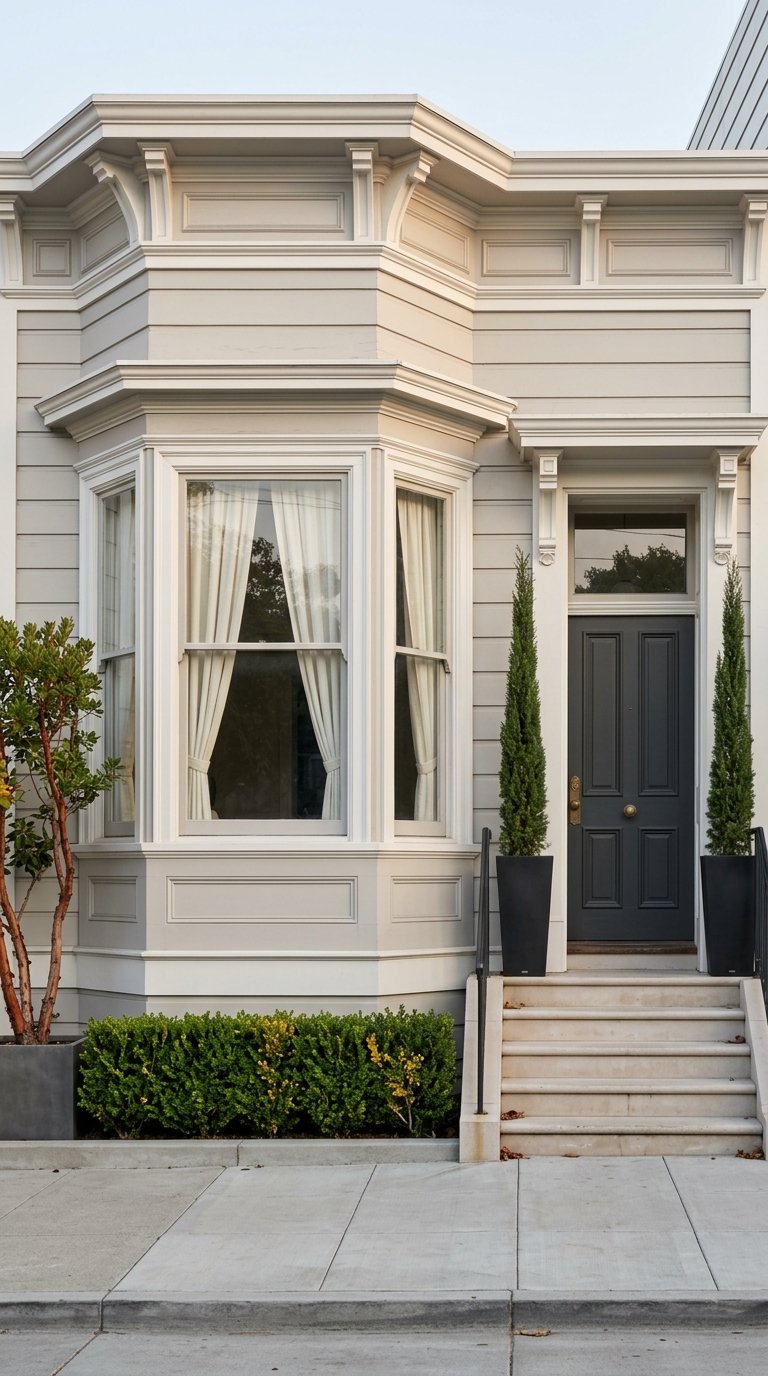
San Francisco Planning describes the Pacific Heights Historic District as an area of large, formal dwellings with high architectural detail and materials. SF Heritage also highlights the neighborhood’s grand architecture across roughly 15 blocks. If design and classic San Francisco character are part of your wish list, Pacific Heights delivers in a way few neighborhoods can.
At the same time, the housing stock ranges from classic to highly amenitized. Recent examples include a 1928 one-bedroom condo at 2090 Pacific Avenue that sold for $950,000, a one-bedroom condo at 2200 Pacific Avenue that sold for $1,250,000 with a 24-hour doorman, rooftop pool, and parking, and a full-floor cooperative at 2298 Pacific Avenue that sold for $5.615 million. Those examples show how much building style and service level can shape both lifestyle and price.
If you are shopping for a pied-à-terre, one of the first questions should be how the property is owned. In Pacific Heights, not every home is a standard condominium. You may be comparing condos, co-ops, and TICs in the same search.
That matters because each structure works differently. The California Department of Real Estate explains that in a stock cooperative, residents generally own occupancy rights through a corporation rather than holding a deed to an individual unit. TIC ownership can also be harder to finance.
For you, this means the most attractive listing is not always the simplest purchase. A beautiful apartment with a great location may come with a different approval process, financing path, or resale dynamic than a comparable condo. In Pacific Heights, sorting that out early can save time and sharpen your search.
Many buyers choose a pied-à-terre because they want less day-to-day upkeep. In a condo building, shared maintenance responsibilities can support that goal. California’s Attorney General notes that HOAs enforce CC&Rs and that common area repair, replacement, and maintenance are generally handled by the association under state law.
That does not mean ownership becomes effortless. It does mean that in many full-service or professionally managed buildings, much of the shared-space burden shifts away from the individual owner. For buyers who travel often or split time between cities, that can be a meaningful benefit.
The tradeoff is cost and complexity. In recent Pacific Heights examples, HOA dues ranged from $850 per month at 2090 Pacific Avenue to $1,599 per month at 2200 Pacific Avenue. If you are considering a pied-à-terre here, it is worth reviewing the CC&Rs, budget, reserve funding, and maintenance responsibilities before you write an offer.
Pacific Heights has a strong preservation identity, and that can be part of its charm. It can also affect what you are able to change after closing. If you are drawn to period details, elegant facades, and a neighborhood with architectural consistency, this may feel like part of the value.
Still, buyers should understand the rules before they commit. San Francisco Planning states that owners of Article 10 landmark buildings and buildings within Article 10 historic districts need a Certificate of Appropriateness or an Administrative Certificate of Appropriateness for compatible alterations, demolitions, and new construction. If you expect to change exterior features, verify the building’s status early.
This is especially important for pied-à-terre buyers who want a turnkey home with a future renovation option. In some Pacific Heights properties, interior updates may be straightforward while exterior changes require additional review. Knowing that upfront helps you match the property to your long-term plans.
Pacific Heights is a premium market, and the numbers support that. Redfin’s May 2026 snapshot shows a median sale price of $2.2 million, average days on market of 13, and a sale-to-list ratio of 107.4%. That sits above San Francisco’s broader median of $1.6 million over the last three months.
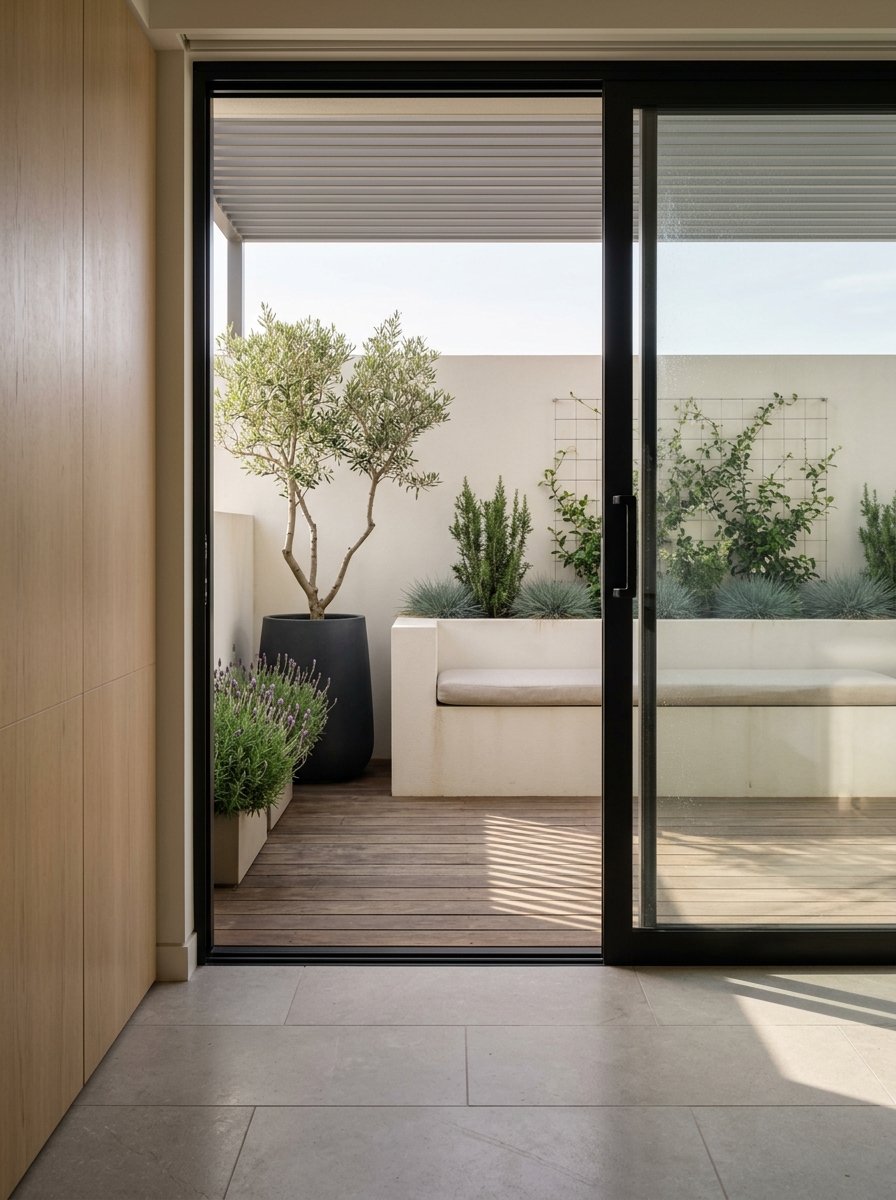
For pied-à-terre buyers, the key point is that price is shaped by more than bedroom count. Views, parking, outdoor space, service level, and building type can all shift value significantly. A one-bedroom in Pacific Heights can live in a very different price band depending on whether it is in a boutique walk-up, a full-service building, or a co-op with expansive scale.
Recent one-bedroom examples in the neighborhood cluster around $950,000, $1.17 million, $1.25 million, $1.46 million, and $1.66 million. That spread helps explain why precise building analysis matters so much in this market. You are not just buying square footage. You are buying a combination of location, structure, condition, amenities, and ease of ownership.
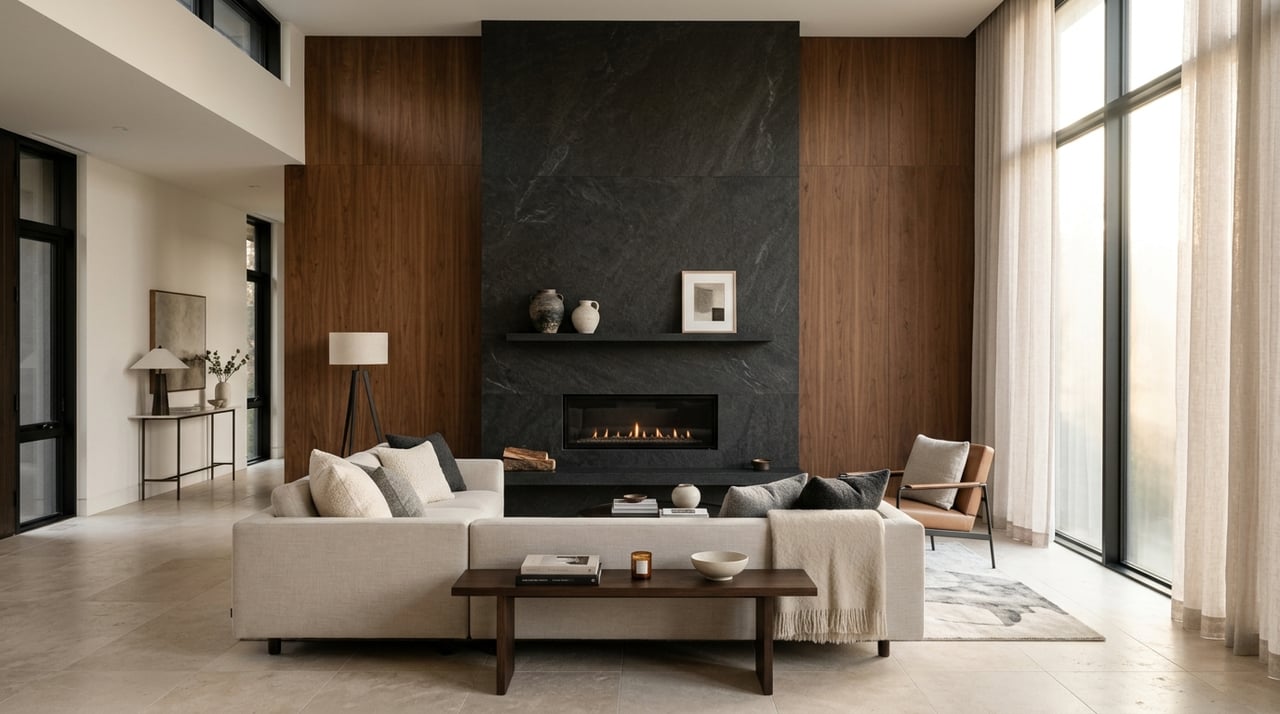
Pacific Heights may be a strong match if you want a San Francisco base that feels elevated, walkable, and architecturally distinctive. It can also work well if you value low-maintenance ownership and are comfortable paying for convenience through HOA dues or building services. Buyers who appreciate classic design and north-side neighborhood appeal often find the tradeoffs worth it.
This neighborhood can be especially compelling if your priorities include:
In short, Pacific Heights tends to reward buyers who value quality of setting and ownership experience over maximum size or the lowest carrying costs.
Pacific Heights is not automatically the best answer for every pied-à-terre buyer. If you want the simplest possible condo purchase, lower monthly costs, or a lower entry price, nearby alternatives may deserve a closer look. Sometimes the right move is staying near Pacific Heights while adjusting for budget, building type, or transit preference.
A few useful comparisons from recent market snapshots include:
| Neighborhood | Median Sale Price | Notable Trait |
|---|---|---|
| Pacific Heights | $2.2M | Premium market with classic architecture |
| Russian Hill | $1.425M | Walk Score 98 |
| Nob Hill | $1.35M | Walk Score 99 and Transit Score 96 |
| Marina District | $2.2025M | Similar price tier, different north-side feel |
| Cow Hollow | $3.1875M | Lifestyle alternative, often higher priced |
| Lower Pacific Heights | $1.25M | Adjacent lower entry point |
If you love the general area but want a more approachable price point, Lower Pacific Heights may be worth comparing. If central transit access matters most, Nob Hill may stand out. If you want a similarly walkable north-side location at a lower median price, Russian Hill offers another useful benchmark.
The smartest pied-à-terre search in Pacific Heights usually starts with a narrow set of priorities. Before you tour, decide what matters most to you: ownership simplicity, views, service level, parking, outdoor space, or architectural character. That makes it easier to separate a beautiful listing from a truly good fit.
As you compare options, focus on these questions:
Those details often matter more than a flashy first impression. In a neighborhood like Pacific Heights, the best pied-à-terre is usually the one that aligns with your lifestyle, travel patterns, and comfort with ongoing costs.
If you are thinking about buying a pied-à-terre in Pacific Heights, a focused, building-by-building strategy can help you avoid expensive missteps and uncover the right fit faster. For tailored guidance on neighborhoods, ownership structures, and off-market opportunities, connect with Colleen Cotter.
Whether clients need an architect, designer, stager, contractor, lender, or friendly counsel, Colleen Cotter Real Estate Group offers invaluable referrals and guidance. Colleen Cotter Real Estate Group has partners across the country and Bay Area including Burlingame, San Mateo, Marin, Silicon Valley, East Bay, Lake Tahoe, Wine Country, Chicago, Los Angeles, and NYC.