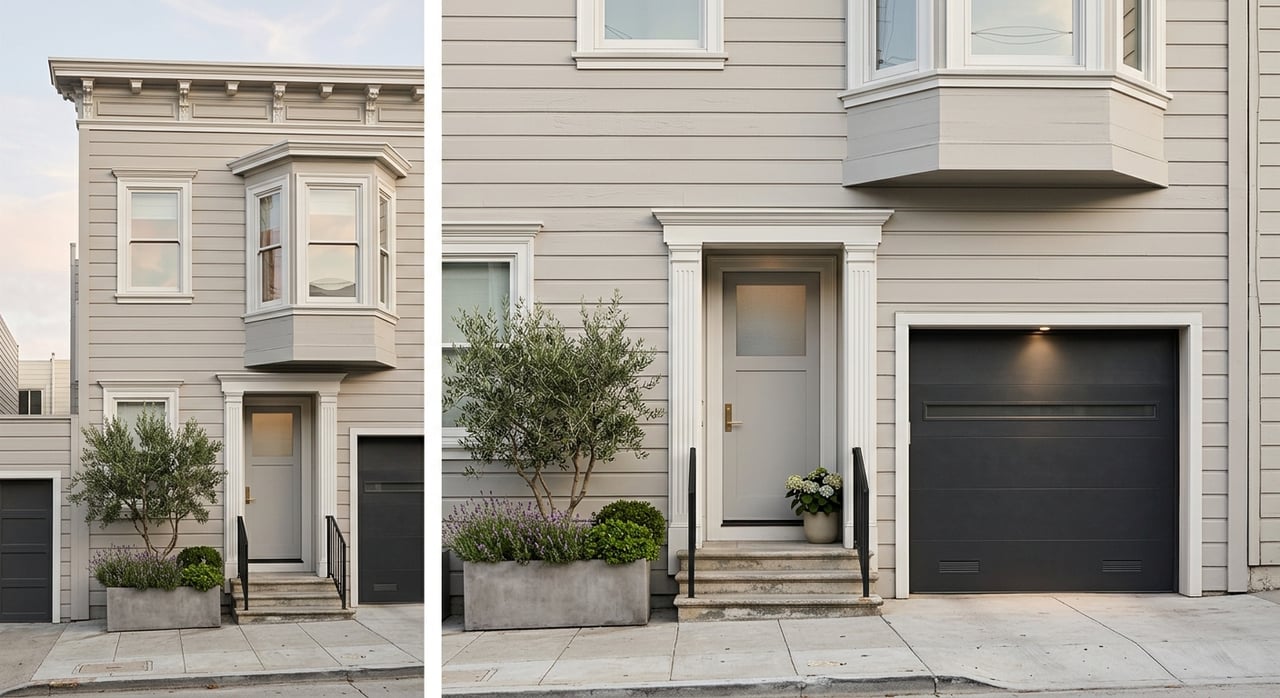
Cow Hollow Condos And Townhomes For Modern Buyers
June 18, 2026
June 18, 2026
Looking for a home in Cow Hollow that feels stylish, practical, and easy to live in? You are not alone. Many buyers are drawn to this part of San Francisco for its walkability, low-rise character, and refined housing options, but the right fit often comes down to understanding the tradeoffs between condos, townhome-style residences, and flats. This guide will help you make sense of what you are likely to find in Cow Hollow and what to look for before you buy. Let’s dive in.
Cow Hollow has a distinct physical layout and housing pattern that shapes the buying experience. San Francisco Planning defines the neighborhood as the area bounded by Greenwich, Pierce, Pacific, and Lyon, set on a north-facing slope between Pacific Heights and the Marina.
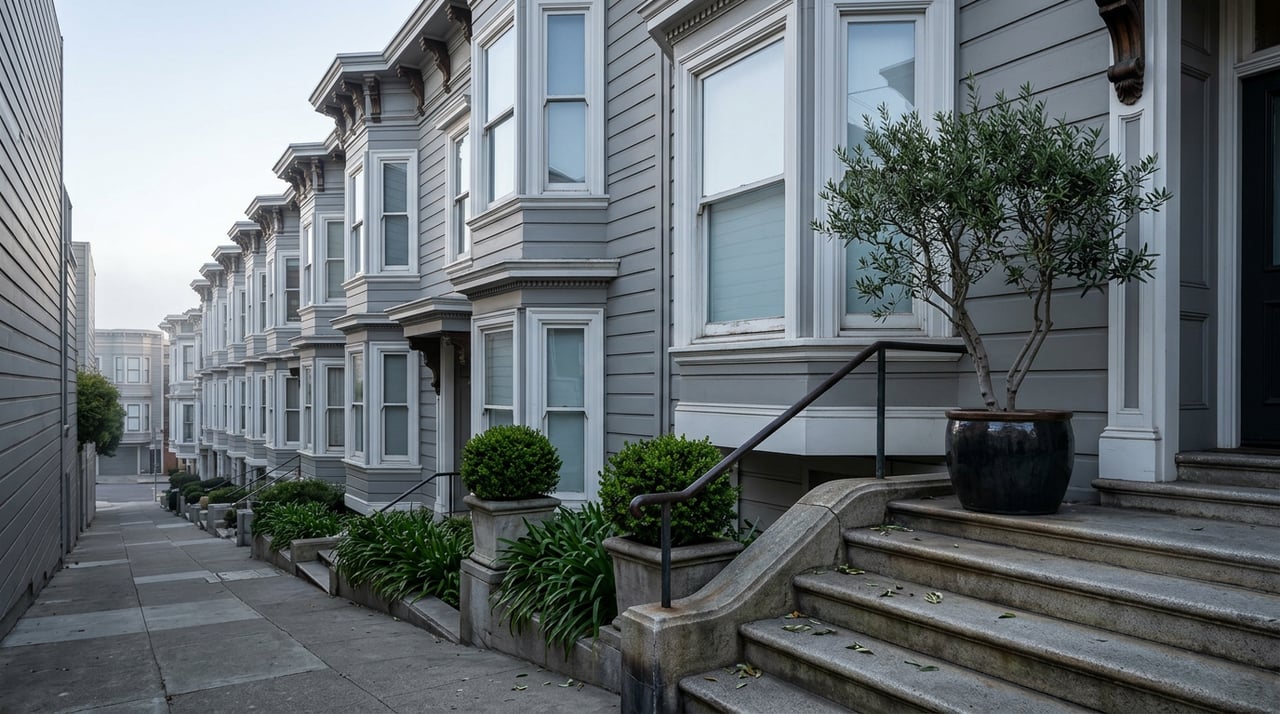
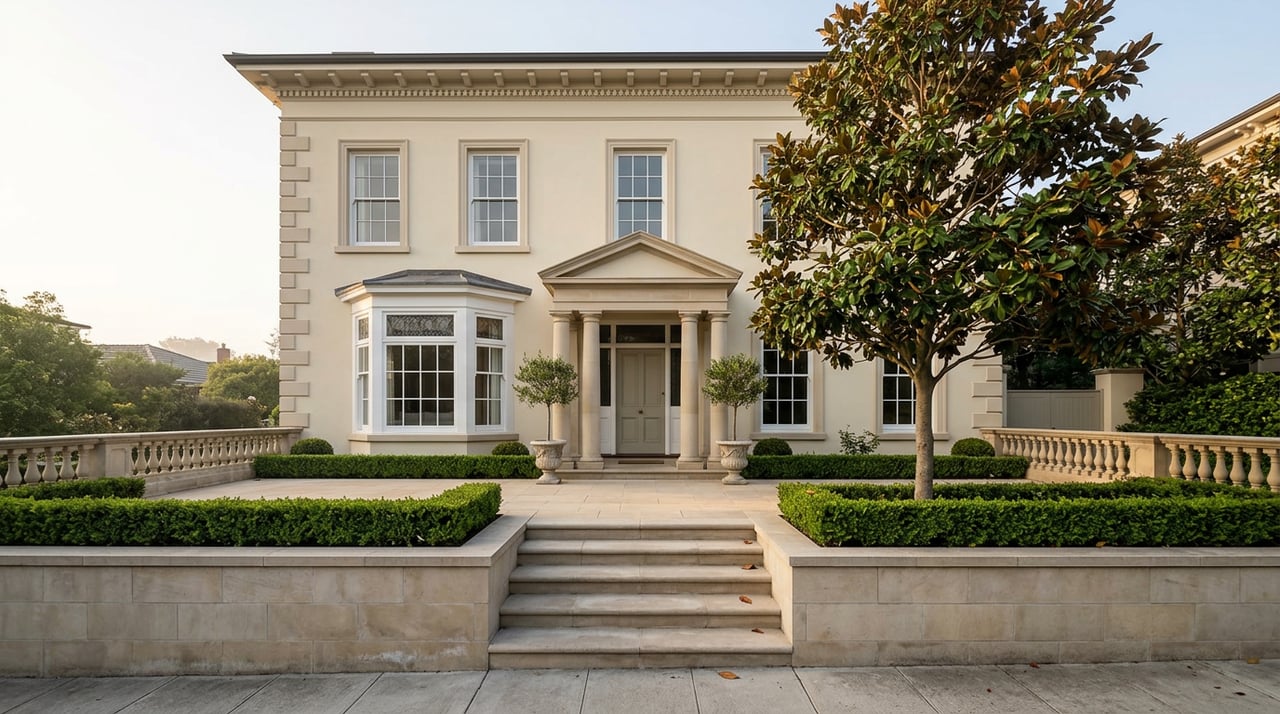
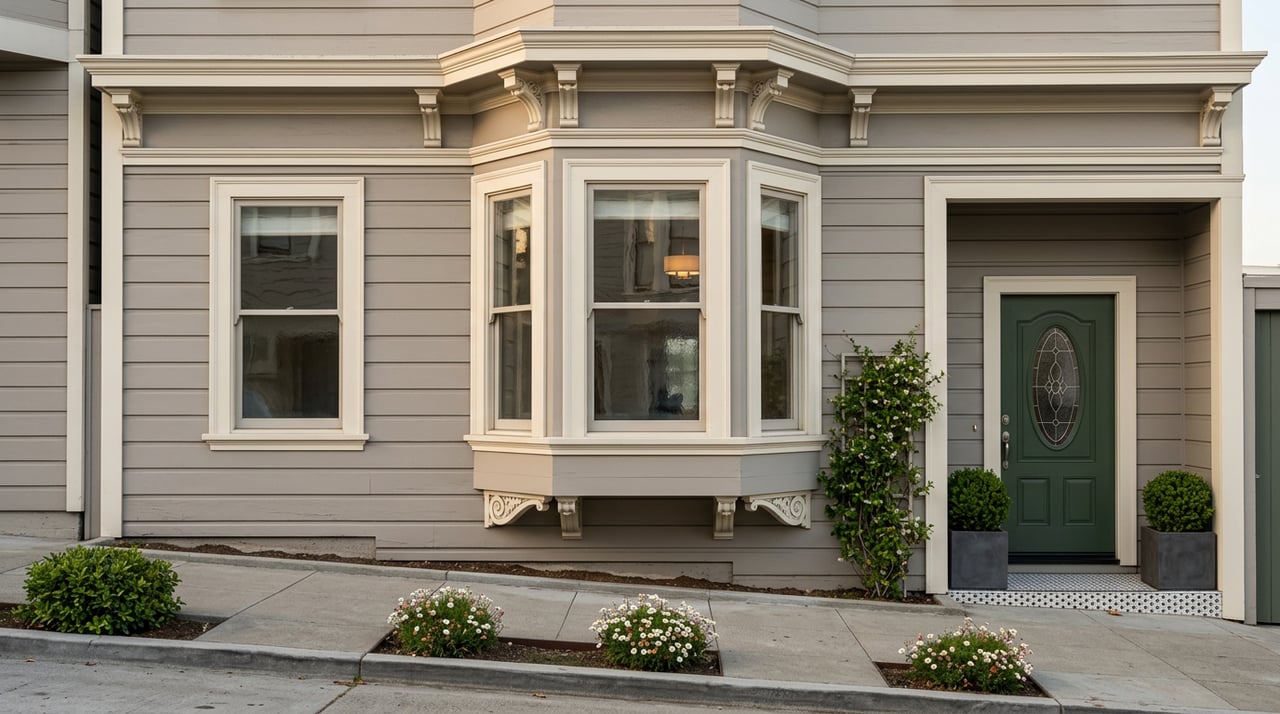
That setting creates a neighborhood with a traditional street grid, strong architectural character, and mostly two- and three-story buildings. You will see a mix of larger detached homes uphill, attached one- and two-family homes on smaller lots, and multi-family buildings on corner or lower-elevation blocks.
The area is overwhelmingly residential, with only limited grandfathered commercial uses and one internal park, Cow Hollow Playground. In daily life, that means your experience is shaped less by a major retail core inside the neighborhood and more by the nearby corridors that surround it.
For many modern buyers, that balance is the appeal. You get a residential feel with excellent city access, plus a highly walkable location. Recent market data shows a Walk Score of 94, reinforcing how convenient Cow Hollow can be for buyers who want to move through the neighborhood on foot.
If you are picturing high-rise condo towers, Cow Hollow is not that. The neighborhood’s scale and housing stock tend to produce low-rise, boutique inventory with more character and variation from building to building.
That matters because your home search here will likely feel more curated than standardized. Rather than comparing dozens of similar units in one large building, you may be evaluating unique residences with different layouts, ownership structures, outdoor spaces, and parking situations.
Recent sales examples point to that pattern. Buyers have seen offerings such as an upper condominium in a two-unit building with a small deck and shared yard, as well as a three-level, house-like condo with Bay views.
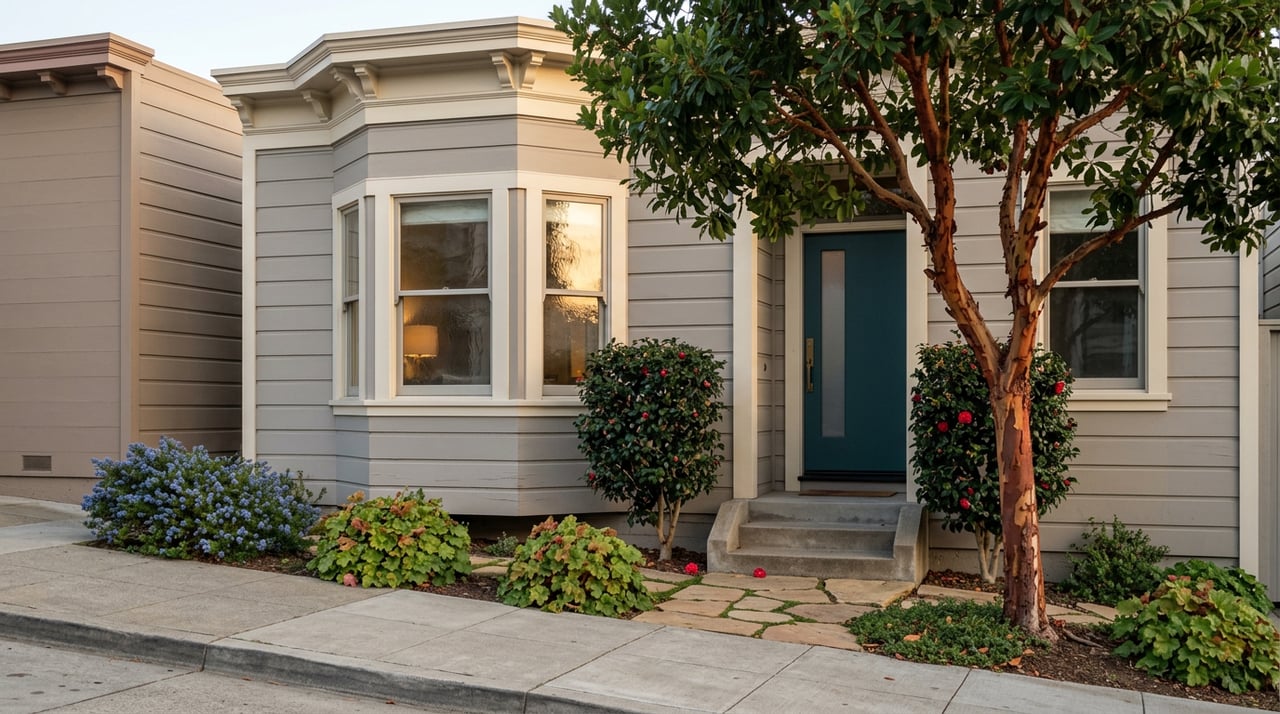
Boutique condos are often the most common starting point for buyers who want lower-maintenance ownership in Cow Hollow. These homes are typically in smaller buildings, often with just a few residences, which can create a more private and design-conscious feel.
For many buyers, the appeal is clear. You may get a well-located home with attractive finishes, manageable upkeep, and access to shared features like a yard, entry, or building systems without taking on the full responsibility of a detached house.
The key question is not just whether a unit is called a condo. It is how the building functions. In a small building, the quality of HOA management, reserve funding, and the clarity of the governing documents can have a real effect on your costs and day-to-day ownership experience.
HOA dues are also part of the picture. According to the Consumer Financial Protection Bureau, HOA dues are usually paid separately from your mortgage and can range from a few hundred dollars per month to more than $1,000.
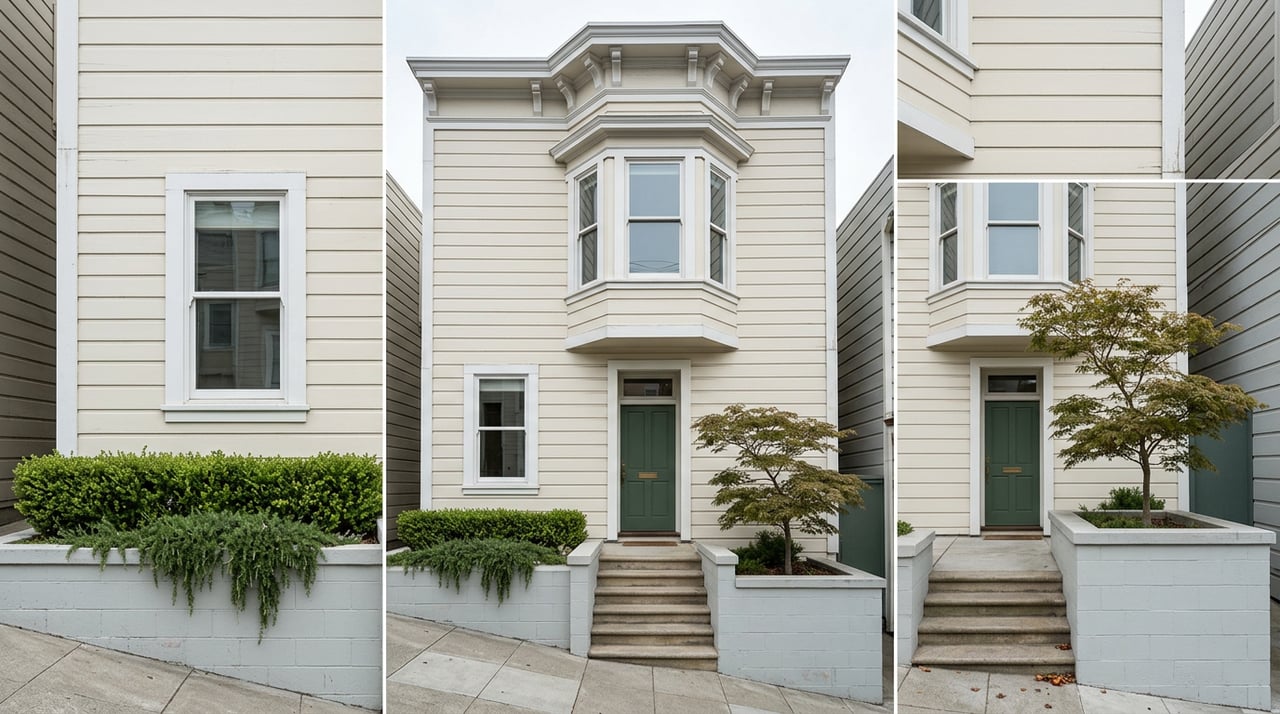
Townhome-style homes in Cow Hollow often appeal to buyers who want a more house-like layout. In this neighborhood, that usually means vertically arranged living space within attached residential buildings on smaller lots.
If you like separation between public and private spaces, this format can work well. You may have entertaining areas on one level, bedrooms on another, and a layout that feels more structured than a single-level flat.
This style can be especially attractive if you want the feel of a home without moving into a detached single-family property. It often gives you more privacy between living zones while keeping you in a highly walkable, low-rise neighborhood.
That said, townhome-style does not always mean fully independent ownership. Exterior elements, shared systems, and common spaces may still be governed by HOA rules. Under California Civil Code Section 4775, unless the declaration says otherwise, the association is generally responsible for common-area repair, replacement, and maintenance, while each owner is responsible for the separate interest.
Flats remain an important part of Cow Hollow’s housing mix. For buyers who want single-level living, they can be one of the most practical options in a neighborhood known for compact lots and vertical layouts.
This can be a strong fit if you prefer fewer stairs, a more traditional room flow, or a full-floor experience in a smaller building. Recent sales in the neighborhood have included full-floor flats, showing that this housing type is still very much part of the local inventory.
In a market like Cow Hollow, flats can also offer a different kind of convenience. If your priority is simple, efficient living in a well-located home, a flat may check that box better than a multi-level layout.
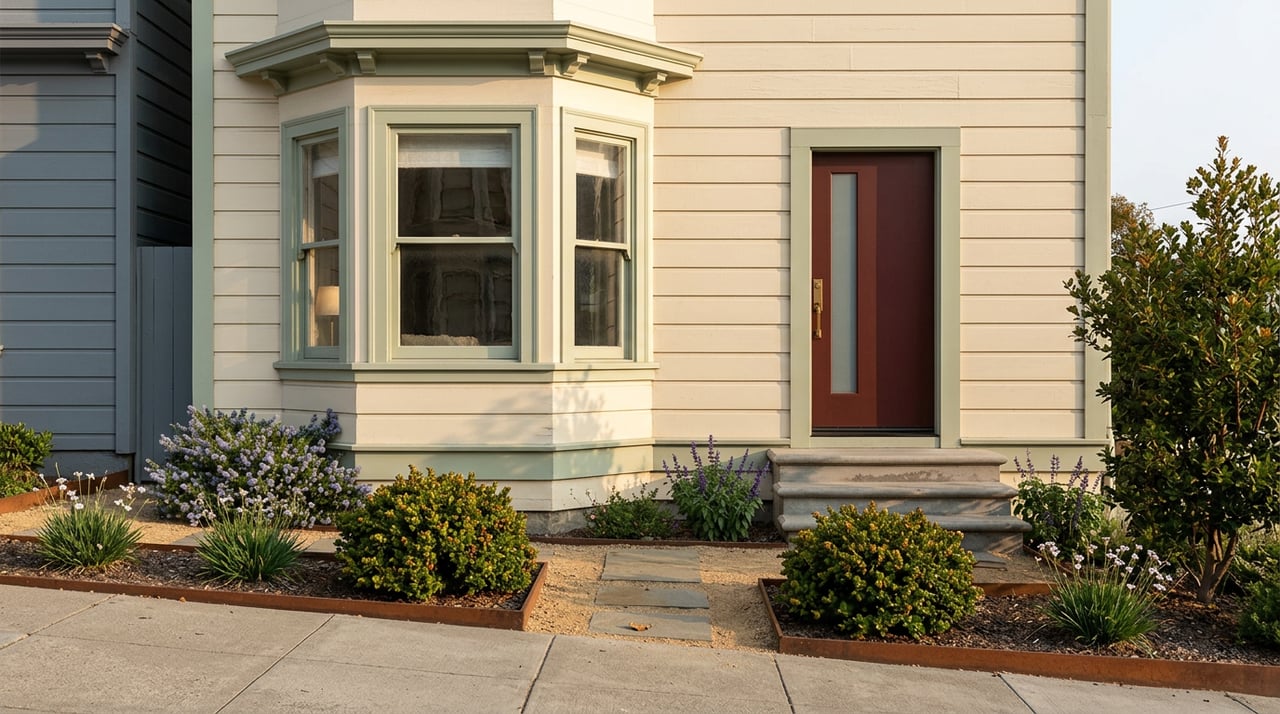
In Cow Hollow, outdoor space often carries a premium. The neighborhood’s design guidelines emphasize front gardens, rear yards, setbacks, and mid-block open space, which shows how important light, air, and greenery are to the area’s built character.
Because lots are tight, private outdoor space is often smaller and more intentional than what you might find in lower-density areas. Instead of large yards, you may see decks, balconies, planter boxes, or shared rear-yard spaces designed to create usable outdoor living.
That does not make outdoor space less valuable. In many cases, it makes it more important to evaluate how well the space is designed and how you would actually use it. A small deck off the main living area may serve your needs better than a larger but less accessible shared yard.
On sloping blocks, rear yard open space can also help preserve light, air, and views. That is worth paying attention to when comparing homes on different elevations or with different building relationships behind them.
Parking is one of the biggest practical considerations for Cow Hollow buyers. San Francisco Planning notes that street parking is limited enough that garages are strongly encouraged in renovations and required in new construction.
That tells you something important about neighborhood life. Parking is not just a bonus feature here. It is often a meaningful value driver.
If you own a car, verify exactly what comes with a property. Deeded parking, garage access, tandem arrangements, and street-permit reliance can feel very different in everyday use.
SFMTA states that a residential parking permit can exempt your vehicle from posted time limits on qualifying blocks, and most addresses may purchase up to four permits. However, permits do not override the 72-hour rule, meter rules, or curb restrictions. Before you buy, it is smart to confirm whether the block is in a residential permit area and whether the home includes dedicated parking.
One of the biggest differences between properties in Cow Hollow is not always visible during a showing. It is the ownership structure behind the scenes.
In one building, an HOA may be well organized, well funded, and clear about maintenance responsibilities. In another, the dues may be lower, but the long-term planning and reserve funding may be less robust.
That is why it helps to look beyond the monthly fee. You want to understand what the dues cover, how repairs are handled, and where the line is drawn between your responsibility and the association’s responsibility.
For condo and townhome-style buyers, the governing documents matter. California law provides a general framework, but the declaration and CC&Rs can shift the details, so reviewing them carefully is a critical step.
Cow Hollow remains a high-demand market with limited supply. Recent data shows a median sale price of $3.6 million over the last three months, an average of 13 days on market, and a Zillow home value index of $3.12 million as of May 31, 2026.
Those figures help frame the neighborhood as a premium attached-home market. Buyers are often paying not only for square footage, but also for location, walkability, building scale, and the kind of lifestyle that comes with low-rise San Francisco housing.
Supply also appears tight. Zillow reported just six homes for sale in Cow Hollow as of May 31, 2026, which reinforces how selective buyers may need to be while also staying ready to act.
Compared with nearby areas on Redfin’s all-home-types median sale data, Cow Hollow currently screens as more expensive than both the Marina District and Pacific Heights. That pricing context supports the idea that buyers here are placing a premium on neighborhood character, convenience, and limited inventory.
If you are deciding between a condo, a townhome-style residence, and a flat in Cow Hollow, the best choice often comes down to how you want to live day to day.
A boutique condo may suit you if you want a lower-maintenance home in a smaller building. A townhome-style home may be better if you want more separation of space and a more house-like feel. A flat may be the right answer if you value single-level living and simple flow.
As you compare options, focus on the details that most affect long-term satisfaction:
In a neighborhood as nuanced as Cow Hollow, those factors often matter just as much as the finish level or bedroom count.
If you want expert guidance on Cow Hollow condos, townhomes, and high-equity residences across San Francisco’s northern neighborhoods, Colleen Cotter offers a boutique, data-driven approach with local insight, thoughtful strategy, and personalized service.
Whether clients need an architect, designer, stager, contractor, lender, or friendly counsel, Colleen Cotter Real Estate Group offers invaluable referrals and guidance. Colleen Cotter Real Estate Group has partners across the country and Bay Area including Burlingame, San Mateo, Marin, Silicon Valley, East Bay, Lake Tahoe, Wine Country, Chicago, Los Angeles, and NYC.