
Single-Family Living Near The Water In Lakeshore
May 14, 2026
May 14, 2026
If you picture San Francisco living as dense blocks and hard-to-find parking, Lakeshore may surprise you. This pocket on the city’s west side offers a different rhythm, with detached homes, garage parking, and easy access to both Lake Merced and the coast. If you are looking for single-family space near the water without leaving San Francisco, this area is worth a closer look. Let’s dive in.
Lakeshore sits in San Francisco’s southwest coastal area, shaped by Lake Merced, nearby Ocean Beach, and the bluff-and-trail landscape farther south. According to San Francisco Planning, the Lake Merced area sits at the south end of the city’s coastal zone, alongside the Zoo, the Olympic Club, and the seashore and bluff area of Fort Funston.
That setting gives Lakeshore a more open, residential feel than many central San Francisco neighborhoods. Rather than reading like a dense, walk-everywhere district, it feels more lake-adjacent and coast-adjacent, with nature playing a much bigger role in daily life.
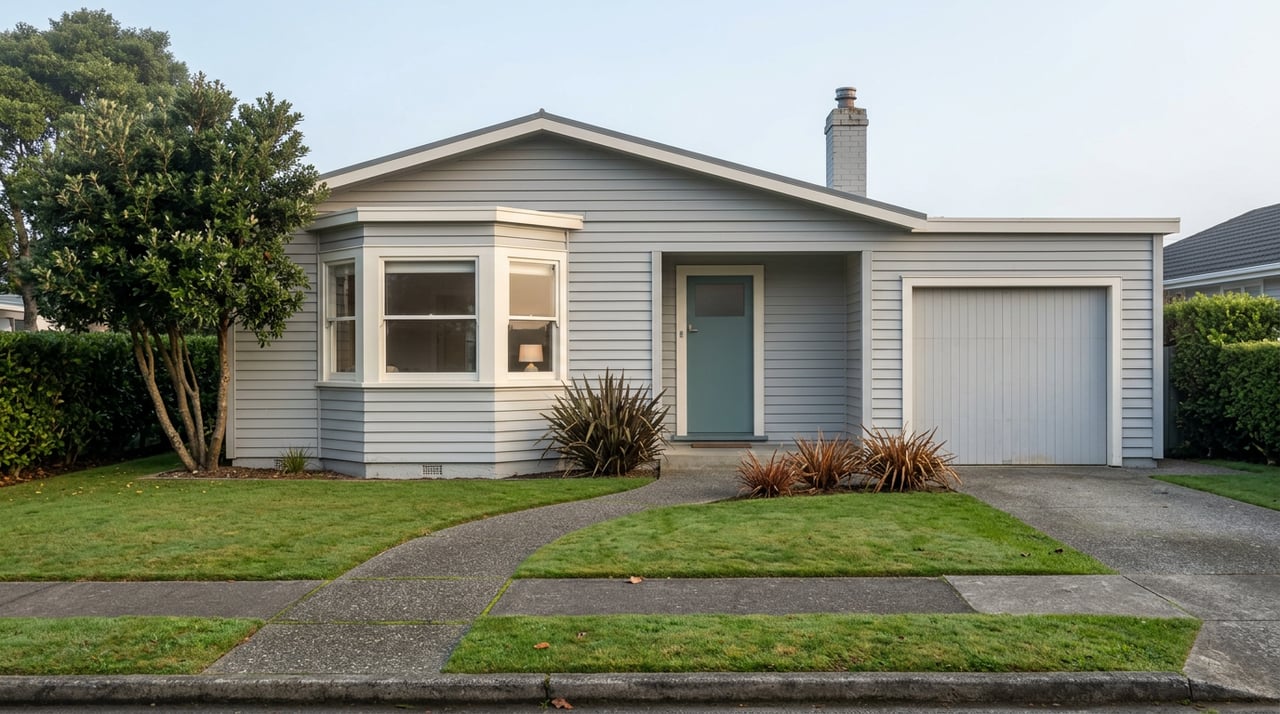
One of the biggest draws in Lakeshore is the housing stock itself. San Francisco Planning’s historic context materials describe the Lakeshore Park subdivision as a postwar neighborhood of fully detached homes, often split-level or ranch-style, commonly built with double garages.
That matters if you are searching for a home type that can be harder to find in more central parts of the city. In Lakeshore, detached living is part of the neighborhood pattern, not the exception.
The homes here largely reflect midcentury construction, with many built around the 1950s. San Francisco Planning also identifies Lakeshore Park as one of the city’s residential areas with a notable concentration of midcentury modern design.
Sample property records on Lakeshore Drive show homes ranging from about 1,434 to 2,952 square feet on lots from roughly 3,184 to 3,800 square feet, with 1954 appearing repeatedly as a build year. That points to a practical west-side scale: more space and separation than many city buyers expect, but not oversized suburban parcels.
For many buyers, garage parking is part of the appeal. Research examples from Lakeshore Drive and zoning references to RH-1(D), the detached one-family residential district, support the broader picture of a neighborhood built around detached homes and a car-friendly layout.
If your wish list includes easier parking, more privacy from neighboring homes, and a layout designed for single-family living, Lakeshore checks boxes that can be difficult to match in denser San Francisco neighborhoods.
The lifestyle story here starts with open space. Lake Merced is the neighborhood’s anchor, and San Francisco Recreation and Parks describes it as a 614-acre park area with a 4.5-mile paved trail, boating access, picnic areas, a fishing pier, a boat launch, and habitat-oriented natural space.
That kind of outdoor access can shape how you use your time at home. You are not just buying a house here. You are also buying proximity to places where you can walk, bike, enjoy the water, or simply get outside without a long drive.
The broader west-side setting adds even more variety. The National Park Service describes Ocean Beach as a 3.5-mile stretch along San Francisco’s western edge, while Fort Funston offers trails, beach access, and active sand dunes.
For buyers who value outdoor routine, that mix is a major advantage. You have lake, coast, trails, and open sky all within reach, which gives Lakeshore a quieter and more spacious feel than many people associate with city living.
Lakeshore is not trying to be the most walkable part of San Francisco, and that is part of its identity. Research data describes nearby retail as anchored by Lakeshore Plaza, a two-story shopping center with surface parking that serves surrounding west-side neighborhoods. The same planning material notes that Stonestown Galleria is about one mile away.
In practical terms, this is a neighborhood where many errands are still convenient, but the experience is more car-oriented than in central districts. That tradeoff often works well for buyers who prioritize home size, parking, and open space over street-level density.
Transportation scores help tell the story. Lakeshore has a Walk Score of 43, Transit Score of 51, and Bike Score of 59 in the research provided.
Compared with areas like Noe Valley, Pacific Heights, and Marina District, Lakeshore is less walkable and less transit-oriented. If you want to step outside and have everything immediately at your door, this may not be the ideal fit. If you want a calmer residential setting with detached homes and easier parking, it becomes much more compelling.
Pricing in Lakeshore depends on source and sample size, so it is important to read the data carefully. Zillow placed the neighborhood’s typical home value at $1,680,162 as of March 31, 2026, up 5.2% year over year.
A separate Redfin snapshot showed a median sale price of $1.2 million in August 2025, but that figure came from only two sales, so it is best treated as directional rather than definitive. In other words, the market picture is useful, but context matters.
For the broader city, Redfin reported a March 2026 median sale price of $1,687,500 for San Francisco overall. In higher-priced central neighborhoods, the reported median sale prices were notably higher: $2,275,000 in Noe Valley, $2,300,500 in Pacific Heights, and $2,202,500 in Marina District.
That does not mean Lakeshore is inexpensive. It does suggest that buyers may find a different value equation here, one tied more closely to detached housing, garage parking, and access to open space than to central-city walkability.
Lakeshore tends to make sense for buyers who know what they want from daily life. If your priorities include a single-family home, room to spread out, and direct access to outdoor recreation, this neighborhood offers a strong match.
It can be especially appealing if you are relocating and want a part of San Francisco that feels more residential and less compressed. The combination of midcentury detached homes, modest lot sizes, and a setting near Lake Merced and the coast creates a lifestyle that stands apart from denser urban neighborhoods.
You may want to take a close look at Lakeshore if you are seeking:
You may be less aligned with Lakeshore if your top priorities are high walkability, stronger transit access, or a classic central San Francisco street scene.
The best Lakeshore home for you will depend on more than square footage alone. Because much of the area’s housing stock dates to the postwar era, layout, updates, garage usability, and how the home connects to indoor-outdoor space can all shape long-term value and day-to-day comfort.
This is also a neighborhood where context matters block by block. Proximity to Lake Merced, access routes, lot dimensions, and the condition of midcentury systems and finishes can meaningfully influence both appeal and pricing.
If you are weighing Lakeshore against more central San Francisco options, it helps to compare lifestyle as much as numbers. In many cases, the decision comes down to whether you want a more urban, walkable environment or a more spacious, water-adjacent residential setting.
For buyers who are drawn to detached homes and west-side living, Lakeshore offers a distinctive opportunity within San Francisco. If you want thoughtful guidance on how this neighborhood compares with other city options, Colleen Cotter can help you evaluate fit, value, and timing with a local, data-informed perspective.
Whether clients need an architect, designer, stager, contractor, lender, or friendly counsel, Colleen Cotter Real Estate Group offers invaluable referrals and guidance. Colleen Cotter Real Estate Group has partners across the country and Bay Area including Burlingame, San Mateo, Marin, Silicon Valley, East Bay, Lake Tahoe, Wine Country, Chicago, Los Angeles, and NYC.