
Buying Your First Home in Glen Park, San Francisco
April 2, 2026
April 2, 2026
Buying your first home in San Francisco can feel like a tug-of-war between lifestyle, budget, and long-term value. If Glen Park is on your radar, you are probably looking for a neighborhood that feels connected, livable, and distinctly local. The good news is that Glen Park offers a rare mix of transit access, village-style charm, and outdoor space. The bigger question is whether that mix fits how you want to live day to day. Let’s dive in.
Glen Park stands out because it feels smaller in scale than many San Francisco neighborhoods. According to the San Francisco Planning Department’s Glen Park area overview, the neighborhood is known for its village center, winding streets, and human-scaled environment. That combination gives it a more intimate feel than larger commercial districts.
In practical terms, you get a neighborhood anchored by the commercial core along Diamond and Chenery Streets, with local shops and services close by. SF.gov also describes Glen Park as having an old-world village character. If you want a first home in a part of the city that feels grounded and easy to navigate, that is a meaningful point in Glen Park’s favor.
For many first-time buyers, Glen Park checks three important boxes: walkability, transit, and neighborhood character. It is one of the few places where you can be near a BART station, a compact retail core, and a major park at the same time. That blend can be hard to find elsewhere in San Francisco.
Glen Park may be especially appealing if you care more about commute efficiency and everyday convenience than having a large lot or a wide selection of new construction. The neighborhood is largely built out, and SF Planning notes that future development sites are limited. That helps explain why inventory can feel tight and why buyers often need to be decisive.
If you are trying to picture what your actual options might look like, the housing mix matters. The 2024 Housing Inventory from SF Planning shows that Glen Park had 3,973 housing units based on 2023 stock. About 50.3% are in single-unit buildings, and nearly 74% are in buildings with one to four units.
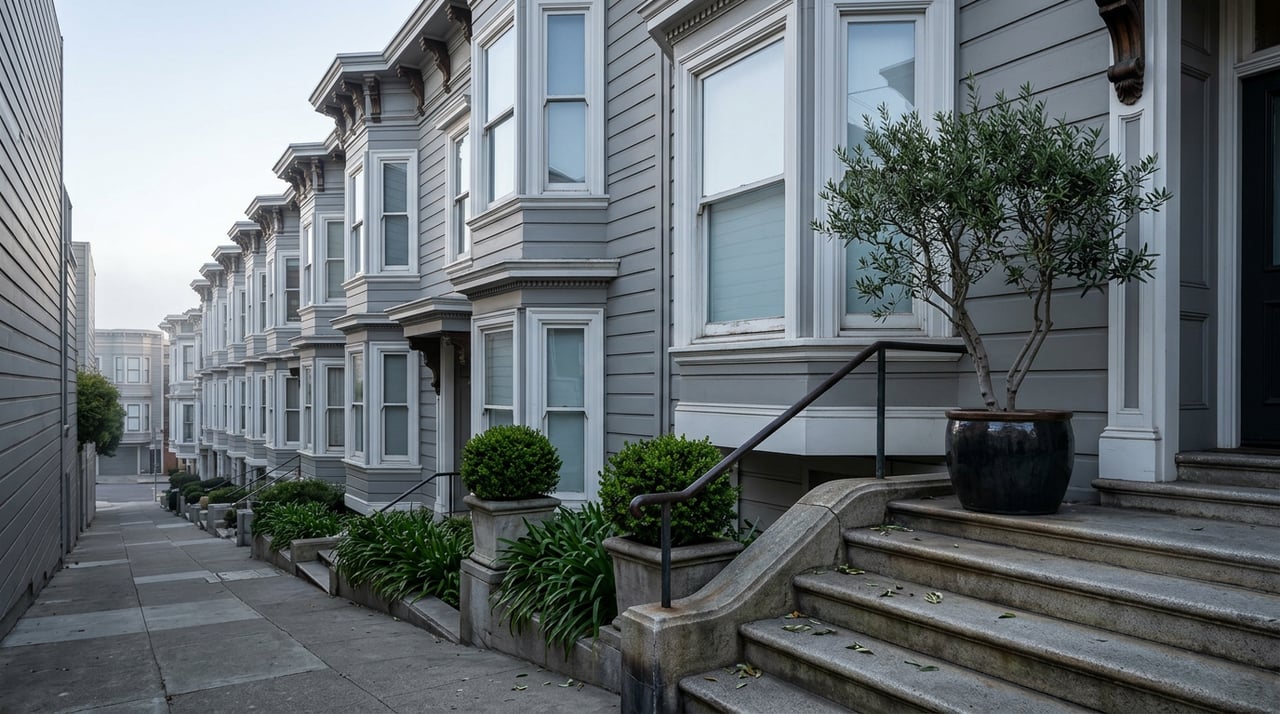
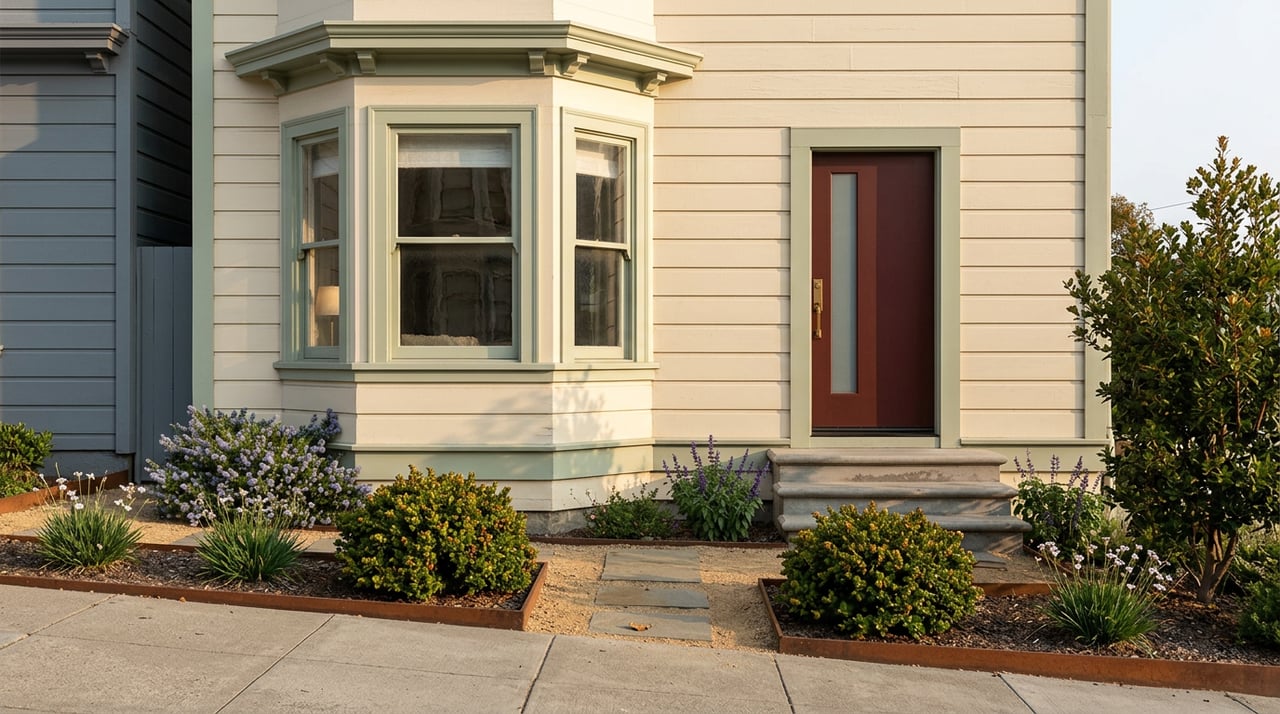
That tells you something important: Glen Park leans toward smaller-scale, low-rise housing rather than large apartment towers. About 20.4% of homes are in buildings with 20 or more units, but that is not the dominant pattern. As a first-time buyer, you should expect a market where floor plans, storage, light, and layout can vary meaningfully from one property to the next.
Because of the neighborhood’s housing mix, it helps to focus on how a home lives, not just the list price. Pay close attention to:
In a neighborhood with many smaller homes and low-rise buildings, these details can shape your daily experience more than headline numbers alone.
Glen Park remains an expensive neighborhood by any measure. As of early 2026, Zillow reports an average Glen Park home value of $1.674 million, up 5.6% year over year. Redfin also reported a February 2026 median sale price of $2.0 million, up 10.8% year over year.
These are not identical metrics, but they point in the same direction. Glen Park is a high-price market where affordability can be a challenge and competition may be strong. If this neighborhood is on your short list, you will want a clear sense of your budget, your must-haves, and where you are willing to compromise.
Transit access is one of Glen Park’s clearest advantages. BART confirms that Glen Park Station sits at Diamond and Bosworth Streets in the center of the neighborhood and connects to multiple BART lines. The station is also served by San Francisco Muni.
SF.gov notes that Glen Park is steps from Glen Park BART and the J-Church light rail, with access to seven Muni bus lines and a connection to Highway 280. If your work, social life, or travel patterns depend on moving around the city or Bay Area efficiently, that level of connectivity can make a real difference.
Convenience does not come without trade-offs. The Glen Park neighborhood plan points to rush-hour congestion, limited parking, narrow streets, and conflicts between pedestrians and vehicles around the commercial core and station area. For some buyers, those issues will feel manageable. For others, they may become a daily frustration.
If you rely on a car every day, parking should be a serious part of your decision. In Glen Park, it is not something to treat as a minor detail.
One of Glen Park’s strongest lifestyle advantages is its access to nature. Glen Canyon Park, managed by San Francisco Recreation and Park, spans 66.6 acres and includes hiking trails, a playground, baseball fields, tennis courts, a recreation center, and forested canyon terrain. The canyon also includes native chert outcroppings and is recognized as a Significant Natural Resource Area.
SF.gov also highlights the Glen Park Greenway, which links the village center to the canyon. If you want a neighborhood where outdoor access is built into everyday life, Glen Park has a compelling case. For many buyers, that park-plus-transit combination is exactly what keeps Glen Park on the shortlist.
Glen Park’s valley-and-canyon geography gives it visual character, but it can also affect daily convenience. The SF Planning overview describes its steep, valley-like topography, and that is something you should experience in person before making a decision.
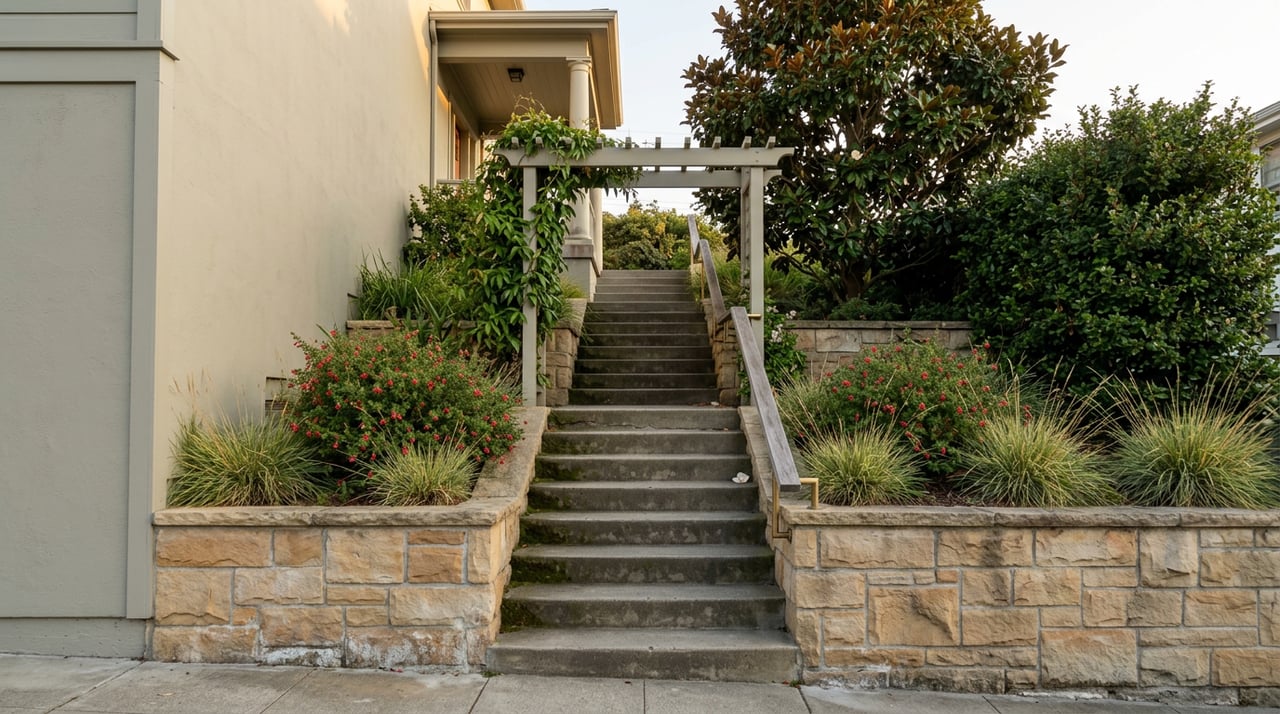
If you want easy stroller access, minimal stairs, or simpler moving logistics, hills can quickly become more than a minor inconvenience. The same goes for groceries, parking, and everyday walking routes. A home that looks ideal online may feel very different once you test the block, the grade, and the route to transit.
Glen Park tends to work best for buyers who want a neighborhood with a compact commercial core, local businesses, strong transit access, and meaningful park space. SF.gov’s neighborhood guide points to local cafes, a market, a bookstore, and specialty food shops as part of daily life in the area. If that sounds more appealing than a larger retail corridor, Glen Park may feel like a natural fit.
It may be less compelling if you need abundant parking, a larger yard, or a broad selection of new inventory. The neighborhood’s built-out condition and smaller-scale housing stock can support demand, but they also limit choice. That means fit matters just as much as timing.
Before you commit to Glen Park, ask yourself these practical questions:
If most of your answers point toward convenience, character, and access, Glen Park may be a strong match for your first home.
If you are also considering neighborhoods like Noe Valley, the Mission, Bernal Heights, or the Excelsior, Glen Park often stands out as a transit-connected middle ground. SF.gov frames the neighborhood as a starting point for exploring several southeast San Francisco neighborhoods, which reinforces its role as a connector.
When you compare options, focus on a few basics: how important BART access is, how much hilliness feels comfortable, how much outdoor space you want nearby, and whether you prefer a compact village center or a larger commercial corridor. These are often the factors that clarify whether Glen Park is a smart fit or simply an appealing idea.
Glen Park can be a very strong choice for a first-time buyer who wants a transit-rich neighborhood with a village feel and real access to outdoor space. Its smaller-scale housing stock, central BART station, and proximity to Glen Canyon Park create a combination that is hard to replicate. At the same time, the neighborhood’s high prices, limited parking, and hilly terrain mean it will not be the right fit for everyone.
The best way to evaluate Glen Park is to look past the broad appeal and focus on your daily routine. If you want help comparing homes, weighing trade-offs, and understanding how Glen Park fits into the broader San Francisco market, Colleen Cotter can help you make a more confident first-home decision.
Whether clients need an architect, designer, stager, contractor, lender, or friendly counsel, Colleen Cotter Real Estate Group offers invaluable referrals and guidance. Colleen Cotter Real Estate Group has partners across the country and Bay Area including Burlingame, San Mateo, Marin, Silicon Valley, East Bay, Lake Tahoe, Wine Country, Chicago, Los Angeles, and NYC.