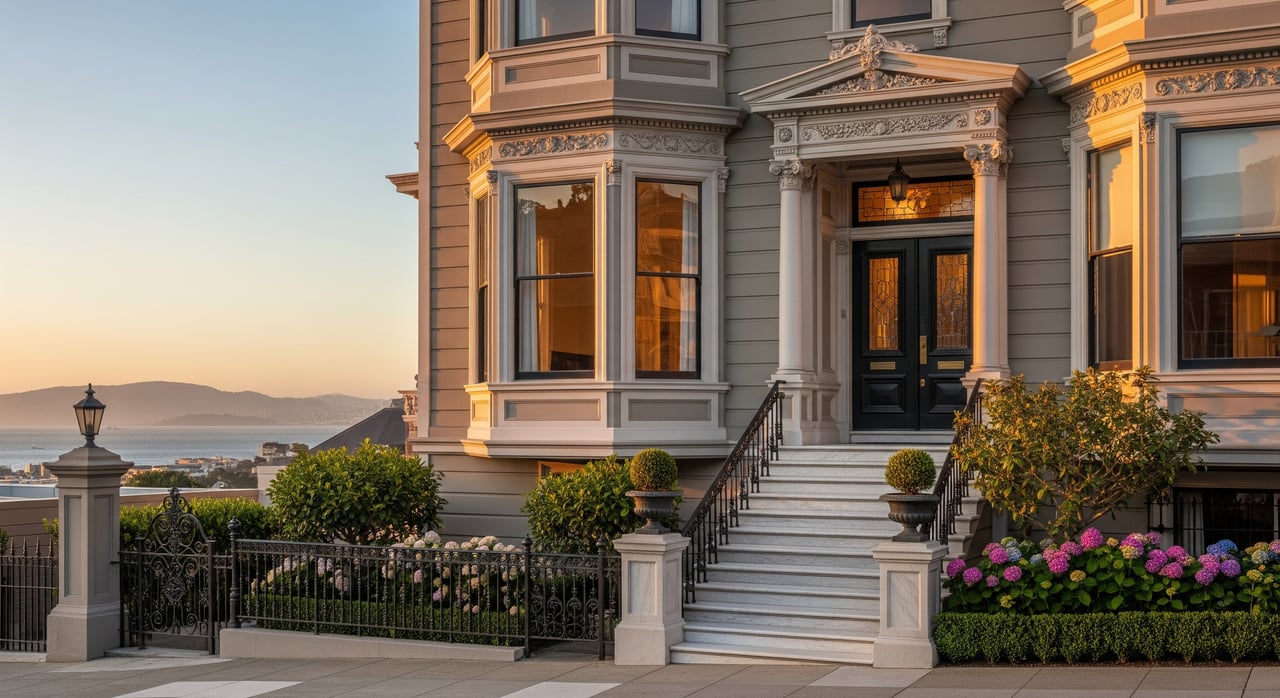
Pacific Heights Victorian Pricing Strategy in Today’s Market
February 5, 2026
February 5, 2026
Thinking about selling your Pacific Heights Victorian and wondering what the right price looks like right now? You are not alone. Pricing a historic home in one of San Francisco’s most coveted neighborhoods is part data, part nuance, and part presentation. In this guide, you’ll see how top agents build a pricing case using the most recent comps, the unique features of your home, and a smart launch strategy. Let’s dive in.
Pacific Heights consistently trades above the citywide median, but not every home moves the same way. In the post‑pandemic cycle, inventory and demand have shifted by price band, and exceptional properties often behave differently from the broader market. The most reliable signals come from SFAR/MLS sales over the last 3 to 6 months, with a look back to 12 months when inventory is thin.
Your goal is to anchor expectations to verifiable, recent sales of similar homes. Then, layer in micro‑location factors like proximity to Fillmore Street, parks, and transportation, plus buyer priorities such as turnkey condition, parking, and outdoor space. These details shape both list price and your most likely sale range.
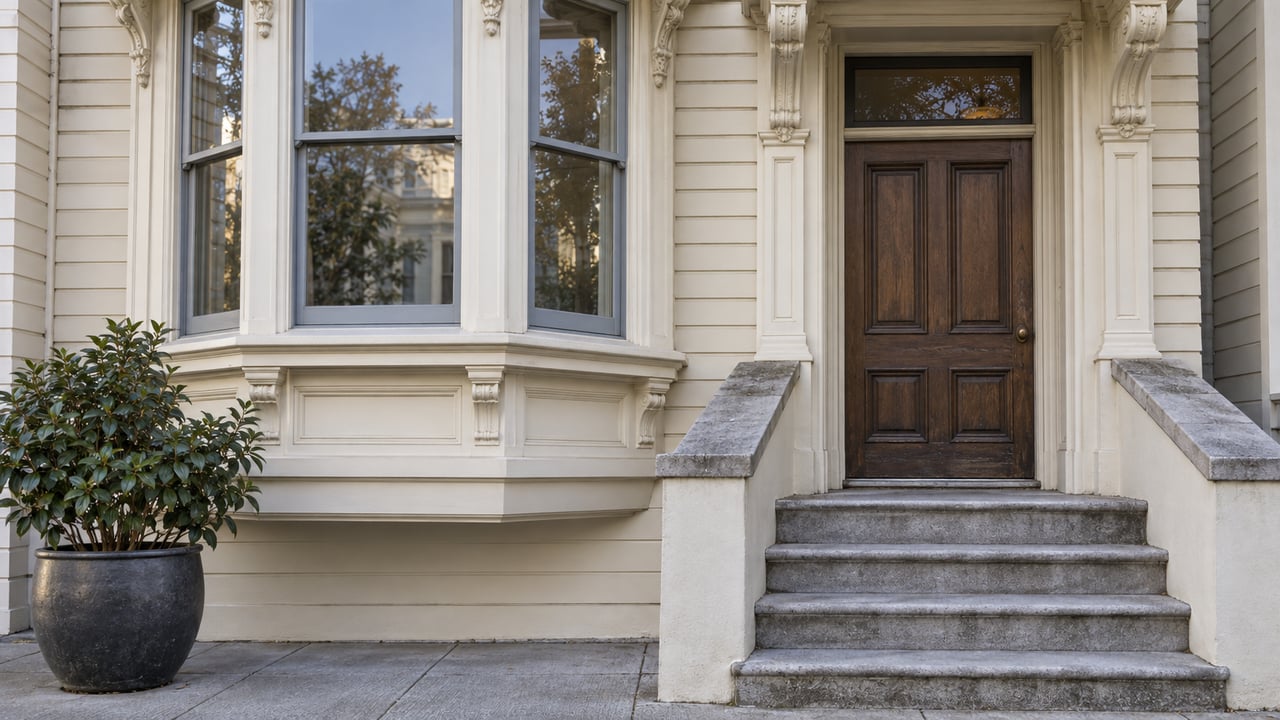
Victorian and Edwardian homes hold strong appeal when original details are intact. Period moldings, pocket doors, tall ceilings, and a classic parlor layout can lift perceived value. A well‑executed modernization that respects the architecture also resonates. Mismatched finishes or awkward remodels can create buyer hesitation and reduce offers.
For older homes, condition is one of the biggest price drivers. Buyers respond to documented upgrades to foundations, seismic bracing, roofing, electrical, plumbing, and HVAC. If you have completed retrofits or major system work with permits, highlight that early. Deferred maintenance or unpermitted work usually results in discounts or longer time on market.
Classic floorplans charm, but function matters. Limited kitchen space, lack of a primary suite, or choppy circulation can weigh on value relative to modern expectations. If you have a permitted attic or lower‑level expansion, or a floorplan that lives larger than the square footage, that utility helps pricing. If not, marketing the home’s potential with a clear narrative can still attract strong buyers.
Bay, bridge, Presidio, or skyline views command meaningful premiums. Adjustments depend on view quality, permanence, and privacy. Orientation and natural light also matter. South or west exposure with good afternoon sun increases day‑to‑day enjoyment and buyer interest.
On‑site parking in Pacific Heights is scarce and valuable. A garage or deeded parking space often separates the buyer pool for a given property. Usable outdoor areas, especially near main living spaces, are high on the priority list. Gardens, patios, and roof decks can all support stronger pricing when they are accessible and well presented.
Lot size and flat, usable yard space translate into real lifestyle value that can exceed what square footage suggests. Steeper lots and multi‑level circulation may complicate renovations and reduce the pool of willing buyers. Clear documentation on structure, access, and any geotechnical work helps buyers calibrate risk.
Permitted accessory units add utility and income potential. Unpermitted conversions usually reduce offers due to risk. If your home has credible ADU potential under San Francisco’s evolving rules, be prepared to show feasibility and any steps already taken with the city.
Some Pacific Heights properties have historic designation or fall within preservation review. This can be a positive for buyers who value stewardship and neighborhood character, but it may limit certain exterior changes. Transparency about status and past approvals builds confidence and protects your price.
Translate your adjusted comps into a realistic sale range with low, likely, and high scenarios. Factor in current days on market and buyer activity in your price tier. A clear band helps you plan negotiation strategy and timing.
Spring and early summer are historically more active for San Francisco residential sales. That said, luxury and trophy properties can sell well outside typical windows when buyer availability aligns. Short‑term swings happen, so refresh your comps and strategy right before you list.
Quiet listings can preserve privacy and test pricing with a curated audience. The tradeoff is less exposure and possibly less competition. Compare likely net proceeds and timing before choosing this path.
If you want a clear, comp‑driven price band, plus a launch plan tailored to your home’s architecture, views, and micro‑location, let’s talk. The Colleen Cotter Real Estate Group pairs data‑informed valuation with premium presentation, targeted distribution, and concierge referrals to elevate your result. Request a complimentary market consultation with Colleen Cotter.
Whether clients need an architect, designer, stager, contractor, lender, or friendly counsel, Colleen Cotter Real Estate Group offers invaluable referrals and guidance. Colleen Cotter Real Estate Group has partners across the country and Bay Area including Burlingame, San Mateo, Marin, Silicon Valley, East Bay, Lake Tahoe, Wine Country, Chicago, Los Angeles, and NYC.