Upsizing to Noe Valley Homes for More Space and Light
February 19, 2026
February 19, 2026
Craving more elbow room and sunshine without leaving San Francisco? If you love walkable blocks, classic architecture, and the idea of bright, flexible spaces for work and life, Noe Valley belongs on your short list. Upsizing here can deliver the light, layout, and outdoor connection you want, as long as you plan for local pricing, permitting, and the realities of century-old homes. In this guide, you’ll learn what “more space and light” looks like in Noe Valley, how much to budget, and the smartest steps to take before you write an offer. Let’s dive in.
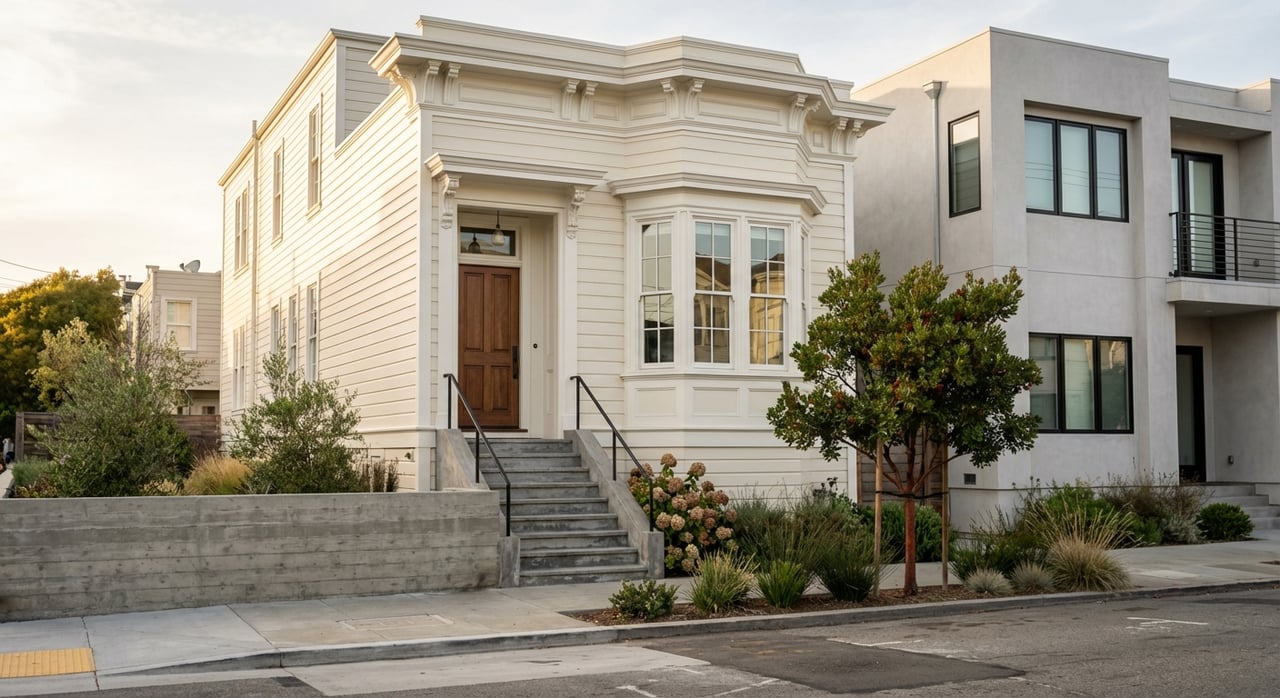
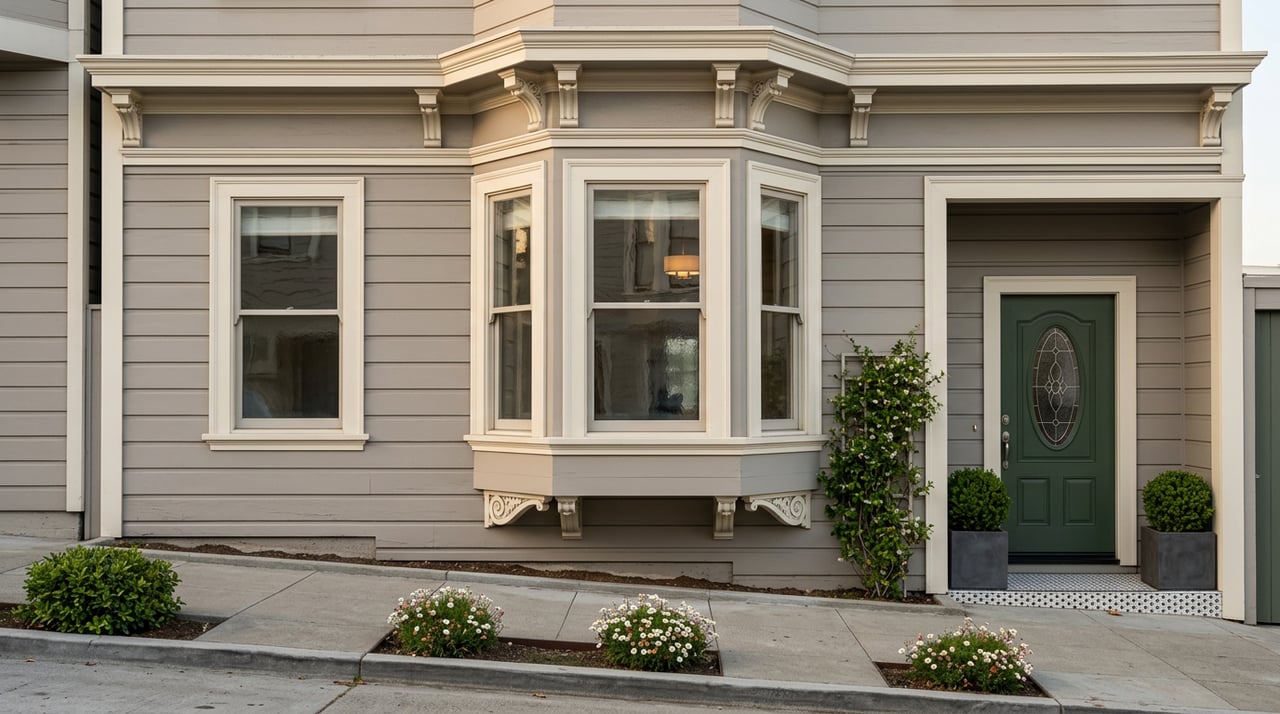
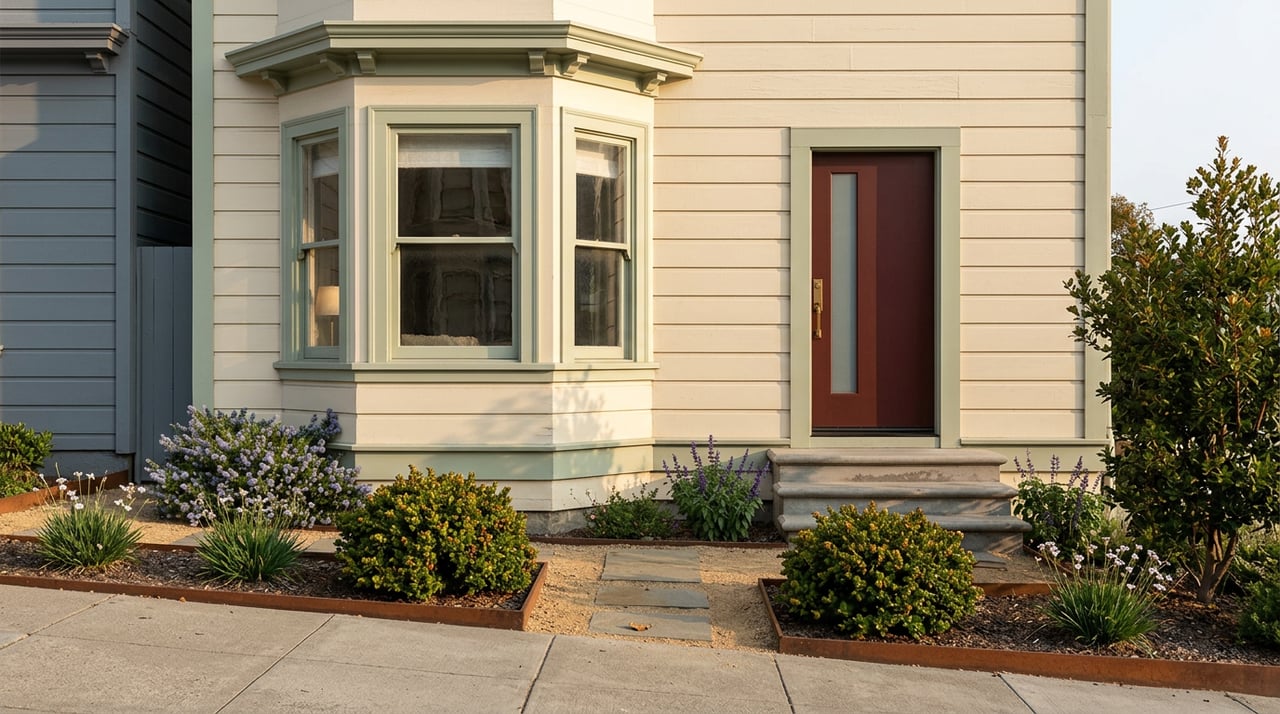
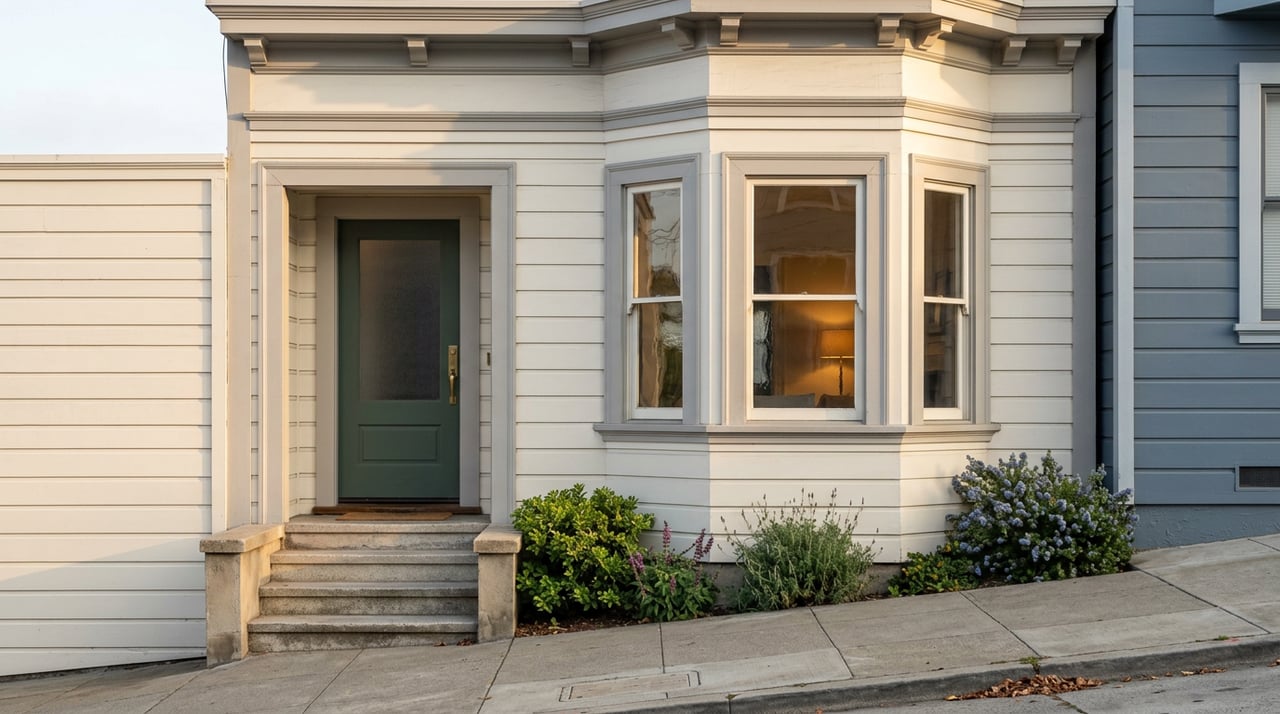
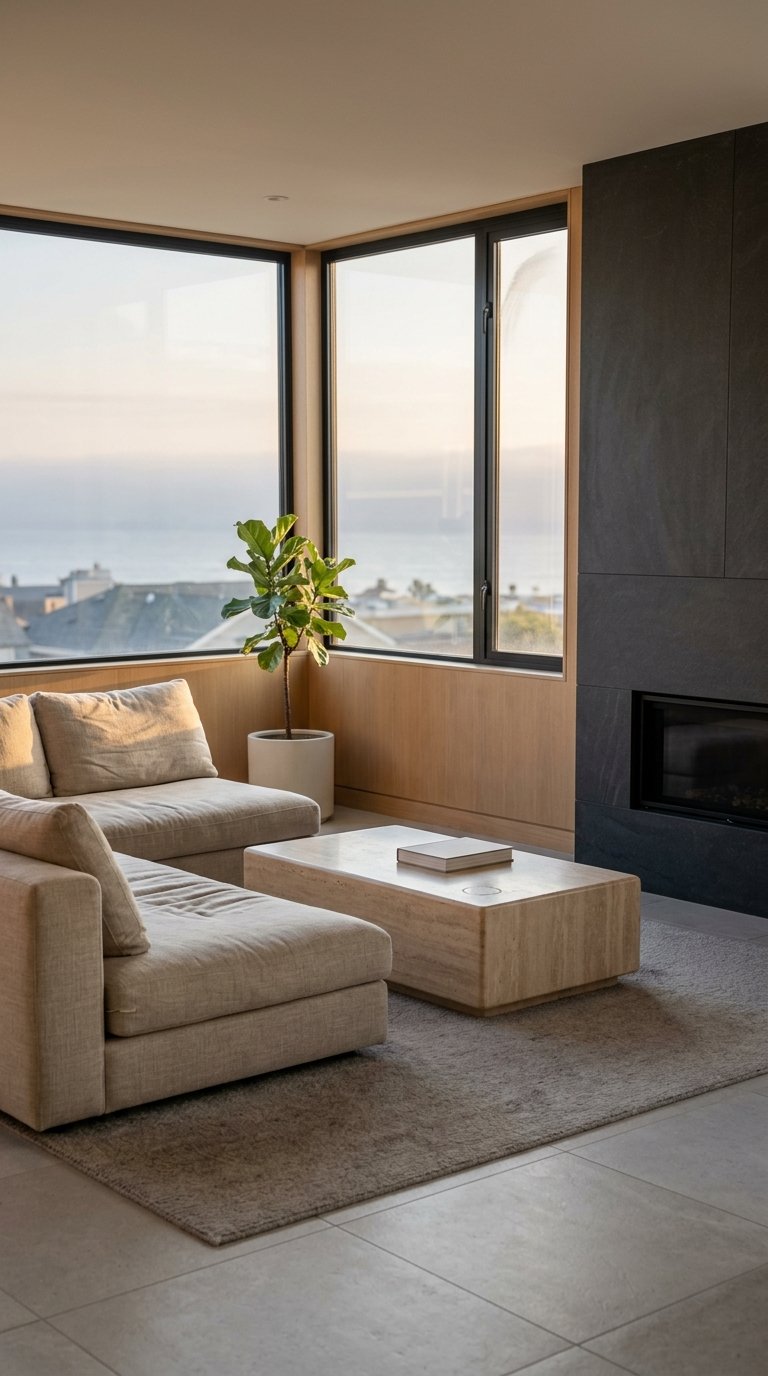
Noe Valley pairs period charm with modern upgrades that maximize daylight. Many streets feature tall bay windows, high ceilings, and facades that welcome natural light into front rooms. You’ll also find renovated interiors that open the rear of the home to decks and gardens, creating an easy indoor-outdoor flow.
The neighborhood offers a compact retail corridor on 24th Street, multiple small parks, and pocket playgrounds. That mix makes it appealing if you want a quiet residential feel with daily conveniences nearby.
You’ll see a high concentration of Victorian and Edwardian row houses, plus renovated flats and contemporary infill. Many have a parlor floor with a formal living room up front and a dining room behind it, then bedrooms upstairs. This history and mix are documented in neutral, factual overviews of the area and its built form, such as the entry for Noe Valley on Wikipedia.
These older layouts respond well to modern updates. Renovations often open the rear of the main level into a kitchen and family hub or reconfigure walls to improve flow. Design features like bay windows and tall ceilings help pull daylight deep into the home, and design media frequently highlight these strategies in San Francisco remodels, as seen in Dwell’s coverage of light-focused renovations.
Noe Valley lots are usually small and deep, often around 2,500 to 3,000 square feet, so added space tends to go vertical rather than into large side yards. Neighborhood market snapshots also note a mix that skews to single-family homes and small multi-unit buildings, which influences medians and price per square foot. You can review neighborhood composition and lot context in Listalysis’ Noe Valley market intelligence.
Finished living areas for single-family homes commonly range from roughly 1,500 to more than 3,000 square feet, depending on whether lower levels and additions are complete. Exact size and layout vary by block and by renovation history.
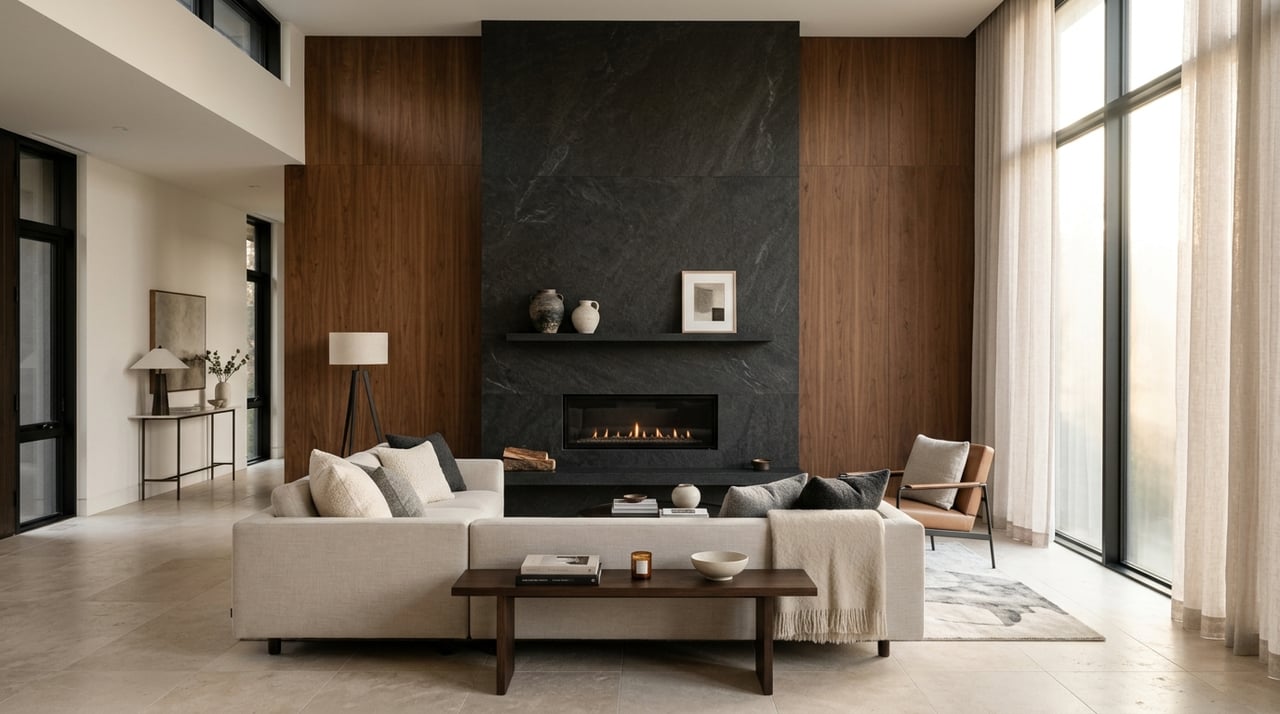
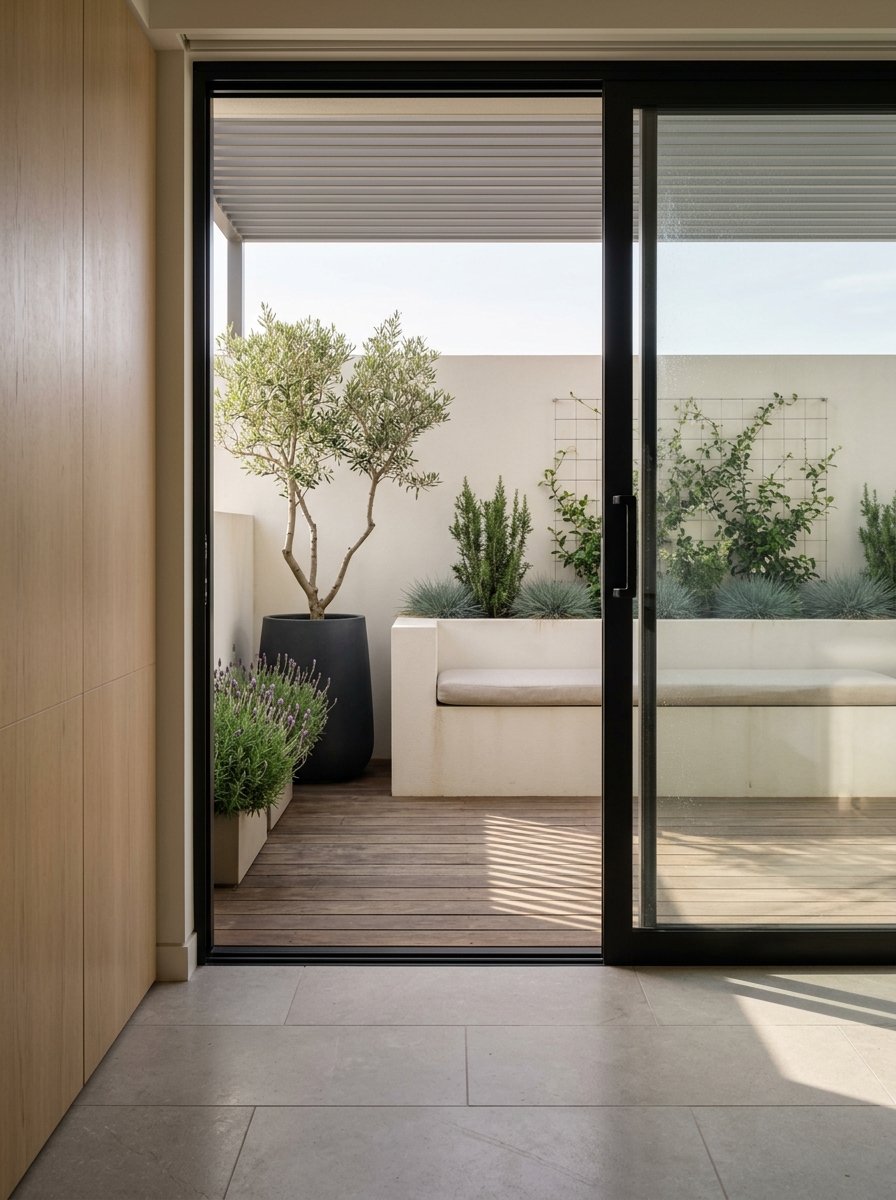
A common move is shifting the kitchen and family room to the rear of the parlor floor, then adding wide sliding or folding doors that connect to a deck or patio. This creates a bright great room and an easy indoor-outdoor flow for daily living. You’ll see many examples of this approach in design galleries, such as Houzz’s roundups of family room additions.
Skylights, clerestory windows, and light wells are tried-and-true solutions for the middle of a narrow row house. Over a rear addition, a skylight can transform a kitchen or stair hall. See design media discuss these techniques in Dwell’s light-forward project profiles.
Top-floor additions, dormers, and roof decks are popular ways to capture sweeping light and create a bright primary suite or office without expanding the footprint. Larger roof-level changes typically require in-house Planning review in San Francisco, and some projects trigger neighborhood notice. You can learn more about permit review paths on the city’s overview of building permit processes.
Many homes have a lower garden level that can become a family room, office, or guest space. Daylight varies at this level, so larger windows, exterior doors, and light wells can make a big difference. If you plan to use this level as a dedicated workspace, evaluate ceiling height, window orientation, and egress during inspections.
Broadband availability is robust in Noe Valley, with multiple providers offering cable and fiber service. For upload-heavy work or video calls, confirm the exact address with your preferred ISP during escrow. Coverage maps and provider lists are summarized on BestNeighborhood’s Noe Valley internet overview.
Expect a premium for space and light here. A recent neighborhood snapshot reports a median sale price around 2.25 million dollars as of January 2026, and sales often move quickly. Zillow’s Home Value Index shows a typical value closer to 1.90 million dollars for the same period. The gap exists because each source uses different data and methods. Treat these as guideposts, then rely on like-for-like comps for your target property type.
Recent market intelligence has shown price-per-square-foot figures in roughly the 1,100 to 1,200 dollars per square foot band, with higher or lower numbers depending on whether the sample skews to condos or single-family homes. You can review methodology notes and recent snapshots in Listalysis’ neighborhood brief.
Citywide, high-end buyers have remained active, and well-renovated family homes tend to resell quickly. For context on luxury demand and bidding at the upper tiers, see this San Francisco Chronicle report on high-end activity.
Upsizing in Noe Valley means balancing layout, light, and outdoor area within compact lots and period architecture. Keep these tradeoffs in mind:
San Francisco allows accessory dwelling units, with state and local review paths. The city notes that construction for a new ADU typically starts in the low six figures, with many projects ranging from about 125,000 dollars on the very low end into the 200,000 to 500,000 dollar band depending on size and site complexity. Get the process and screening steps from the city’s ADU permit page.
Many roof-level projects require in-house Planning review and can trigger neighborhood notice. Appeals are possible and sometimes lead to conditions or footprint changes. Expect a longer timeline than simple over-the-counter permits. The city outlines review types and paths on its building permit processes page.
If you are buying a multi-unit building or a home with older framing, factor in potential seismic upgrades. Some structures are subject to the city’s mandatory soft-story program. Learn more from the city’s soft-story program page.
Article 10 landmarks and historic districts require a Certificate of Appropriateness for many exterior alterations. This can affect roof decks, dormers, and rear additions. Review SF Planning’s summary and confirm a property’s status early using this Article 10 resource.
When more light and more room are the priority, you want a clear plan and a trusted advocate. Colleen Cotter Real Estate Group blends hyperlocal expertise with data-driven guidance so you buy with conviction and avoid surprises. Our team can:
If you are eyeing a home that needs a roof deck, rear expansion, or ADU to meet your needs, we will connect you with the right professionals and pressure-test the plan before you commit. Ready to talk strategy for your move to Noe Valley? Connect with Colleen Cotter for tailored guidance.
Whether clients need an architect, designer, stager, contractor, lender, or friendly counsel, Colleen Cotter Real Estate Group offers invaluable referrals and guidance. Colleen Cotter Real Estate Group has partners across the country and Bay Area including Burlingame, San Mateo, Marin, Silicon Valley, East Bay, Lake Tahoe, Wine Country, Chicago, Los Angeles, and NYC.